 Victor Ezeja
The effect of the fuel subsidy removal and depreciation of the naira which consequently pushed up the cost of things may sustain inflationary pressure in the near term, the Central Bank of Nigeria (CBN) has said.
The apex bank stated this in its second-quarter economic outlook published by the bank.
Join our WhatsApp ChannelAccording to the bank, the higher inflation in the near term is likely to be sustained by the elimination of fuel subsidies, the devaluation of the naira, the expected upward revision of salaries and energy rates, and the adverse impacts of climate change on agricultural activities.
READ ALSO: What Govt Should Do To Rein In Inflation
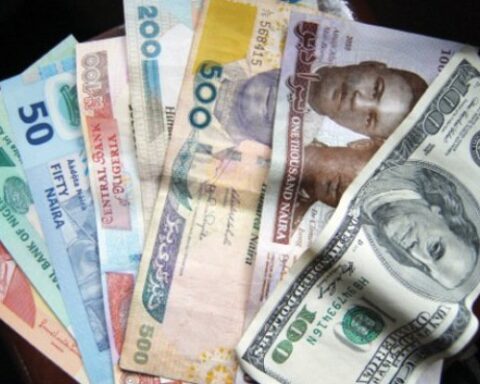
It said: “Inflationary pressures may subsist in the near-term on account of the removal of fuel subsidies and subsequent higher prices of premium motor spirit, and the depreciation of the naira.
“Moreover, the anticipated upward review of wages and electricity tariffs, alongside the adverse effects of climate change on agricultural output, are likely to induce further inflationary pressures.”
The bank, however, expressed optimism that going forward, tight monetary policy and improved global supply networks will help to drop the inflation rate.
“Notwithstanding, the sustained tight monetary policy stance, coupled with improvements in global supply chains are both expected to help dampen inflation,” it stated.
Prime Business Africa reports that the latest figures released by the National Bureau of Statistics (NBS) show that Nigeria’s inflation rate hit 27.33 percent in October 2023, a 0.61 per cent increase when compared to the September 2023 headline inflation rate of 26.72 per cent and, on a year-on-year basis, 6.24 per cent higher compared to the rate recorded in October 2022.
According to the report, a major cause of Nigeria’s high inflation rate is food costs which rose to 31.52 per cent from 30.64 per cent in September.
Aside from food costs, other drivers of inflation are transportation and energy costs.
Manufacturers and traders continue to lament the rising costs of doing business.
Analysts have said the country needs to adopt measures to diversify the economy and scale up production in the non-oil sectors.