Fakoyejo Olalekan
The Central Bank of Nigeria (CBN) has reported that Nigeria’s foreign reserves dropped to $33.98 billion on Wednesday, 19 July.
This is the lowest level since August 2021 when the external reserves climbed to $34.01 billion during President Muhammadu Buhari’s tenure.
Join our WhatsApp ChannelRecall that Buhari handed $35.14 billion in foreign reserves, based on CBN’s 26 May 2023 external reserves report, to President Bola Tinubu.
Following Tinubu’s resumption as the President of Nigeria, the country’s external reserves were down by $1.16 billion within two months, Prime Business Africa gathered.
Why is this important?
The decline in the international reserves will worsen the scarcity in the Investors’ and Exporters’ window of the official market and also affect supply in the black market.
On the same day the external reserves dropped to a two-year low, the foreign exchange supply in the Investors’ and Exporters’ window also slumped to a low of $34.55 million.
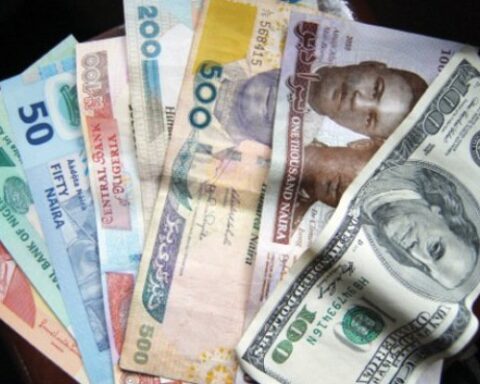
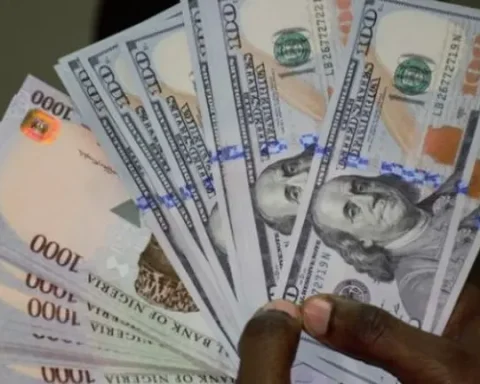
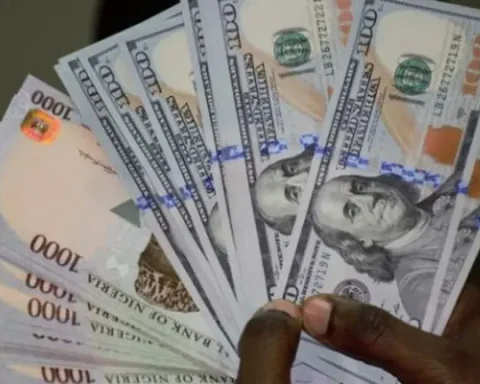
The scarcity of forex strengthens the dollar against the naira, resulting in the price of the United States currency trading at a premium of N768/$1 as of Thursday in the official market.
Likewise, the American greenback’s average rate in the Bureau De Change window of the black market is N859.3/$1 on Thursday as well.
Declining external reserves to frustrate Tinubu’s exchange rate goal
The rates in the official ad black markets are way above the N300/$1 Tinubu plan to achieve in the short term of his administration and the N200/$1 in the long term.
With the premium paid to access dollars in both forex markets, the cost of foreign trade, especially importation, will rise, leading to cost-push inflation.
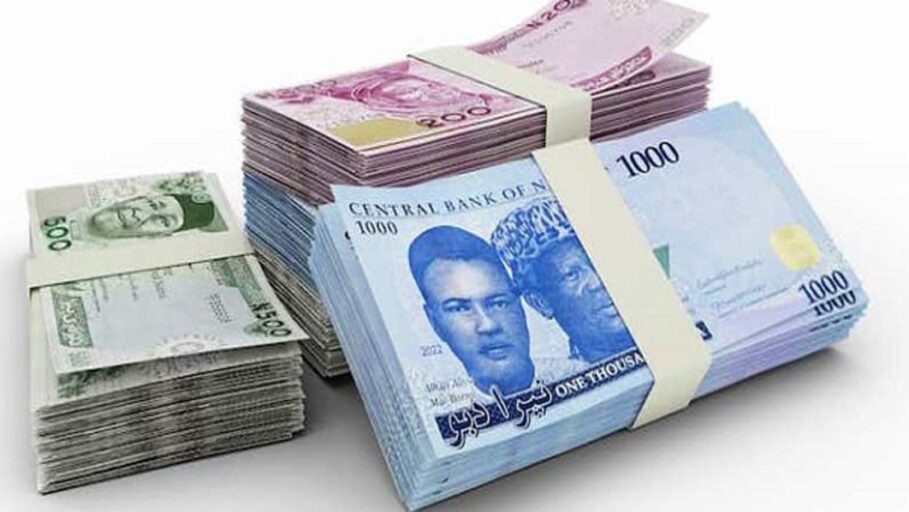
This will further devalue the naira – which has already depreciated by N306.5 kobo or 66.41 per cent in the last seven months – and knock down the purchasing power of Nigerians, who are already struggling with a high cost of living.
Note that the drop in the external reserves and the hike in the dollar rate is on the back of Tinubu’s reforms in the foreign exchange market.
Tinubu had devalued the naira and unified the multiple exchange rates in the official market to achieve his short-term goal of N300/$1 and N200/$1 exchange rates.
However, with the international reserves declining, the dollar scarcity will persist, driving the cost of the USD up, thereby frustrating Tinubu’s ambitious foreign exchange plan.