 Emmanuel Ochayi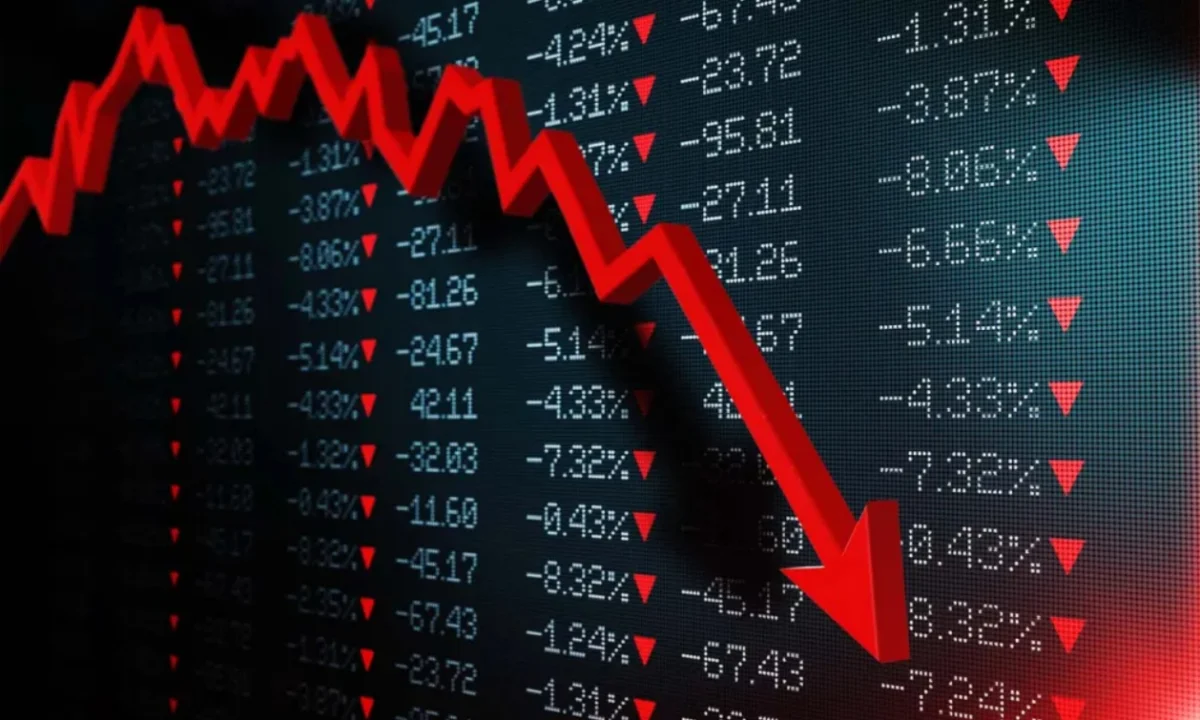
Equity Market Slips Amid Rising Inflation Concerns
Nigeria’s equity market recorded its first drop this week on Wednesday, with the All-Share Index (ASI) declining by 0.25% to 98,291.53 points.
This followed the release of the latest inflation data by the National Bureau of Statistics, which revealed a sharp increase in inflation, now standing at 32.70% in September.
Join our WhatsApp ChannelThe rise was primarily driven by surging petrol prices, which had an immediate impact on investor sentiment in the equity market.
Stock Performance Reflects Market Sentiment
Several stocks were hit hard during Wednesday’s session, reflecting investor concerns over the impact of inflation on company earnings. Deap Capital, UACN, Dangote Sugar, and Champion Breweries were among the most affected stocks. Deap Capital saw its share price fall by 10%, closing at N1.32. UACN dropped 9.90% to N19.70, while Dangote Sugar’s stock plummeted by 9.69%, finishing the day at N32. Champion Breweries also suffered a significant loss, with its stock price falling by 9.65%.
A stockbroker at the Nigerian Stock Exchange, Mr. John Adewale, explained the situation: “Investors are reacting to the inflation data released. Rising inflation erodes purchasing power and increases operational costs for many companies, which in turn, affects their profitability.”
Impact of Inflation on the Equity Market
Inflation has been a significant issue for Nigeria’s economy in recent months. The Consumer Price Index (CPI) rose from 32.15% in August to 32.70% in September, marking a sharp turnaround after two months of decline. Analysts believe that this trend is unlikely to ease soon, especially with rising fuel prices contributing to inflationary pressures.
READ ALSO: Nigerian Equity Market Closes In The Green As All-Share Index Gains 0.13%
“Inflation is a key factor that affects both the equity market and broader economic performance,” said Mr. Adewale. “As costs rise, consumers and businesses alike feel the pinch, and that inevitably spills over into the stock market. We are seeing that reflected in today’s stock performance.”
Outlook for the Equity Market
Despite the drop, some analysts remain optimistic about the market’s future, suggesting that the decline might offer opportunities for investors looking to buy at lower prices.
Vetiva Research analysts stated before the day’s session, “We expect the market to trade in a sideways manner today, with some cherry-picking action, as investors look for undervalued stocks amidst the inflation concerns.”
This outlook suggests that while inflationary pressures are weighing on the equity market, there are still opportunities for investors who are willing to take calculated risks.
Inflation’s Broader Economic Impact
Nigeria’s inflation crisis is not only affecting the equity market but also the broader economy. Rising costs of goods and services are straining household budgets, while businesses are struggling to manage increased operational costs. Many companies are now forced to make tough decisions about pricing and production, which could lead to further challenges for the economy.
As the equity market adjusts to these inflationary pressures, it is clear that both investors and businesses will need to navigate these uncertain times carefully.