Abdulrazaq Hamzat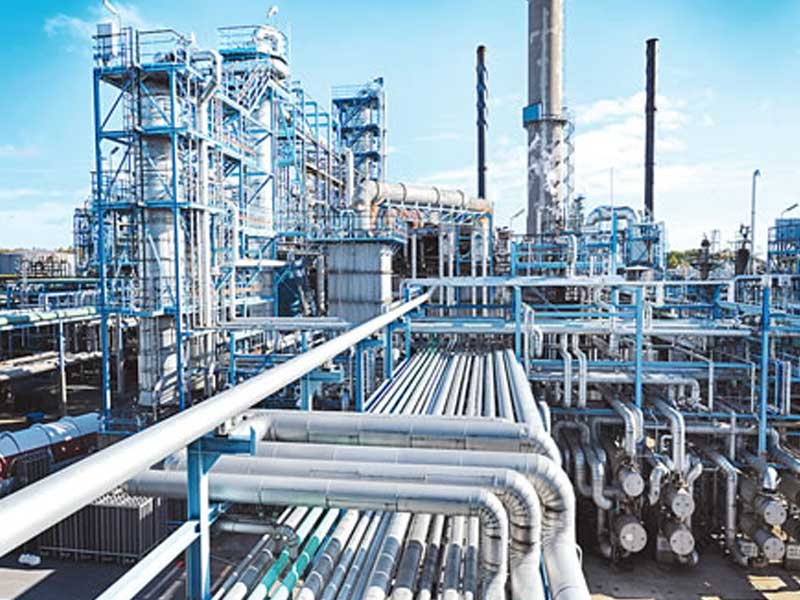
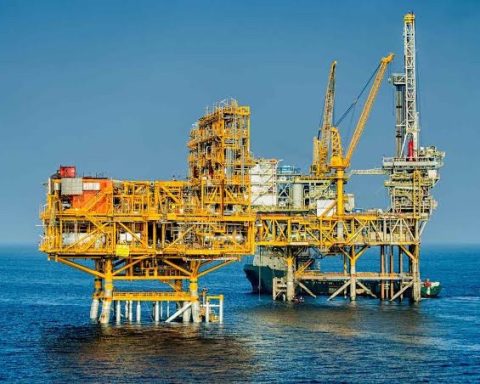
Nigeria has over 209.5 trillion cubic feet of natural gas reserves based on the estimates of 2022, the largest natural gas reserves in Africa, which accounts for 33% of total gas reserves in the continent.
In addition to this volume, the Nigerian government is working towards growing the country’s gas reserves to 600 trillion cubic feet, as part of its transition efforts to low carbon emission.
Join our WhatsApp ChannelIn addition to Nigeria’s gas reserves, which is considered trapped due to lack of infrastructure to adequately monetize them, the country still has huge associated gas being wasted through flaring.
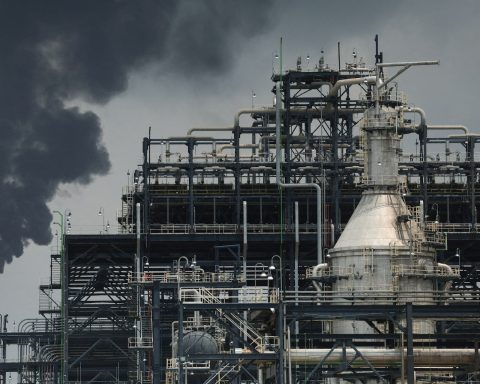
Before President Bola Ahmed Tinubu was sworn in on May 29, 2023, precisely between January-April of 2023 which is a space of four months, oil and gas companies in Nigeria flared 92.3 million standard cubic feet of gas, worth an estimated N150 billion.
Despite the enactment of the Petroleum Industry Act, 2021, Nigeria still loses between $500 million and $2.5 billion annually to gas flaring.
While the Petroleum Industry Act, 2021 was hailed as a landmark legislation for the oil and gas sector, it still has its deficiency, especially for the gas sector.
READ ALSO: Tinubu Signs Executive Orders On Oil, Gas Reforms
There are 3 major issues with PIA as regards gas.
Firstly, it brought about multiple regulatory bodies for gas, namely the Nigerian Upstream Regulatory Commission, Nigerian Midstream and Downstream Petroleum Regulatory Authority, and the National Electricity Regulatory Commission, all of which exercise certain oversight authorities over the gas sector. Secondly, it brought a lack of clarity and overlapping functions, as the multiple regulatory bodies don’t have clearly defined boundaries, leading to conflict and inefficiency.
Thirdly, it brought about ineffective coordination, due to inadequate coordination mechanism, which leads to fragmented regulation.
To accelerate the growth of the gas industry and unlock its full potential, there is an urgent need to establish a dedicated gas regulatory body.
It is very crucial to establish a dedicated gas regulatory body in Nigeria for three main reasons.
READ ALSO: NNPC: Oil Production Nears 1.7mbpd Amid Infrastructure Challenges
Number one is to streamline regulation. Two is to facilitate investment and number three is to ensure safety and protect the environment.
The Petroleum Industry Act (PIA) 2021, currently dispersed the responsibilities of gas regulation among various agencies such as the Department of Petroleum Resources (DPR), Petroleum Products Pricing Regulatory Agency (PPPRA), National Electricity Regulatory Commission (NERC), Nigerian Upstream Regulatory Commission (NURC), etc, leading to inefficiencies and inconsistencies in the gas sector and this needs to be corrected.
Currently, gas regulation and operation in Nigeria is disorganized and scattered across various agencies in the PIA 2021 and the corresponding agencies exercising authority include:
1. Licensing and Permits
The Department of Petroleum Resources (DPR) is currently responsible for issuing licenses and permits for upstream gas exploration and production activities.
2. Pricing and Market Regulation
The Petroleum Products Pricing Regulatory Agency (PPPRA) is currently Overseeing pricing and tariff regulations in the downstream gas sector, including gas distribution and retail.
3. Safety and Environmental Regulation
The Department of Petroleum Resources (DPR) is also responsible for enforcing safety and environmental regulations in the gas sector, including compliance with standards for gas facilities and operations.
4. Infrastructure Development
Nigerian Gas Company (NGC) is involved in the development and management of gas infrastructure, including pipelines and gas processing facilities.
5. Regulation of Downstream Activities
Nigerian Electricity Regulatory Commission (NERC) regulates downstream gas activities related to power generation, including licensing and tariff regulation for gas-fired power plants.
6. Compliance and Enforcement
Nigerian Upstream Regulatory Commission enforces compliance.
The absence of a dedicated regulatory body creates regulatory uncertainty for investors and industry participants. Clear and consistent regulatory frameworks are essential for attracting investment, promoting innovation, and fostering confidence in the regulatory environment.
A dedicated gas regulatory body would be better positioned to ensure alignment between policy objectives and regulatory requirements. By integrating policy goals into regulatory frameworks and enforcement mechanisms, the regulatory body can ensure that regulations support the achievement of policy objectives, rather than working at cross-purposes.
I would therefore conclude by saying that, establishing a dedicated gas regulatory body in Nigeria is imperative for accelerating the development of the gas sector and harnessing its full economic potential. By consolidating regulatory oversight, ensuring compliance with safety and environmental standards, and attracting investments, such an institution would serve as a catalyst for the rapid growth and sustainable development of Nigeria’s gas industry, contributing to national economic prosperity and energy security.
Abdulrazaq Hamzat writes from Abuja, Nigeria and can be reached at [email protected]