 Emmanuel Ochayi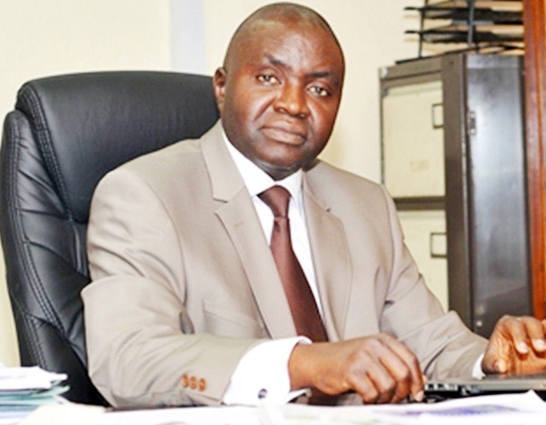
In a dynamic and insightful presentation, Dr. Muda Yusuf, the CEO of the Centre for the Promotion of Private Enterprise, outlined a comprehensive roadmap for building a resilient economy in an emerging administration, emphasizing the critical roles of stakeholders.
Speaking at the Labour Writers Association retreat, Dr. Yusuf delved into various facets of economic governance, macroeconomic stability, fiscal consolidation, and the imperative need for sector-specific interventions.
Join our WhatsApp ChannelAt the outset of his address, Dr. Yusuf expressed gratitude to the Labour Writers Association for their invitation to share his expertise. He acknowledged the importance of the theme, “Building A Resilient Economy In An Emerging Administration: Roles Of Stakeholders,” especially in light of the Tinubu administration’s recent 100 days in office.
READ ALSO: Expert Stresses Vital Role Of MSMEs In Nigeria’s Economic Recovery
Fundamentals of a Resilient Economy: Economic Governance
Dr. Yusuf emphasized the need for quality economic governance, rooted in tested economic principles and adapted to the unique socio-economic context.
He outlined critical attributes of good economic governance, including the importance of a capable economic team, a level playing field for economic players, transparent policy formulation, and robust monitoring and evaluation mechanisms. Dr. Yusuf also called for government institutions to be led by experienced technocrats.
Fixing the Macroeconomic Fundamentals
The keynote speaker underscored the significance of macroeconomic stability, with a focus on curbing inflation, stabilizing the exchange rate, and promoting economic growth.
Dr. Yusuf recommended a balanced approach that combines fiscal and monetary policies while keeping fiscal deficits within statutory limits.
Fiscal Consolidation is Critical for Economic Resilience
Dr. Yusuf urged the government to reform the tax regime for efficiency, eliminate fuel and foreign exchange subsidies, optimize revenue generation from agencies, and commit to reducing the cost of governance. He stressed the need for prudent budget reforms and the efficient utilization of national assets.
Foreign Exchange Policy Reform
Dr. Yusuf praised recent foreign exchange policy reforms but cautioned against complete floatation of the naira to avoid excessive currency volatility. He acknowledged the temporary depreciation of the currency as a downside of the reform.
Oil and Gas Sector Reform
Highlighting the importance of sustained reforms in the oil and gas sector, Dr. Yusuf called for unwavering commitment to implementing the Petroleum Industry Act (PIA) to attract more investment and boost production while tackling oil theft.
Trade and Tariff Reform
Dr. Yusuf emphasized the significance of trade policy reforms and tariff regimes that protect local industries. He called for the review of import duties on intermediate products and the establishment of a credible dispute resolution system to mediate between customs and the business community.
Sector-Specific Interventions for Resilience
In the agriculture sector, Dr. Yusuf advocated for a holistic approach covering the entire value chain, technology-driven mechanization, and youth engagement. For industrialization, he recommended ensuring liquidity in the foreign exchange market, rapid investment in core industries, scaling up infrastructure investment, and creating more industrial parks.
Regulatory Reforms
Dr. Yusuf urged the establishment of a regulatory environment with minimal risks and shocks. He called for a shift toward partnerships between regulatory institutions and economic players, ending regulatory intimidation, coercion, and harassment, and fostering regular consultative forums.
Banking Sector Reforms
The keynote speaker urged the new Central Bank Governor to reposition the banking sector for financial intermediation. He recommended a review of key regulatory instruments, such as the Cash Reserve Ratio (CRR), to ensure their appropriateness and impact on the economy.
Role of Stakeholders in Economic Resilience
Dr. Yusuf emphasized the importance of stakeholder engagement, both internal and external. He highlighted the need for collaboration with stakeholders such as labor unions, the private sector, civil society organizations, the media, diplomatic missions, multilateral organizations, subnationals, and ordinary citizens.
Structure of Stakeholder Engagement
Dr. Yusuf outlined a structured approach for stakeholder engagement, including stakeholder identification, prioritization, engagement planning, outcome analysis, and action planning for policy interventions.
Why Stakeholders Resist Reforms or Change
Dr. Yusuf acknowledged common reasons for stakeholder resistance to reforms, including perceived negative effects, lack of clarity, divergence between plans and reality, and trust deficits. He stressed the importance of addressing these concerns and maintaining robust communication.
Furthermore, Dr. Muda Yusuf’s presentation provided a comprehensive and actionable blueprint for building economic resilience in an emerging administration, underlining the pivotal roles of stakeholders. His insights and recommendations are poised to shape the discourse on Nigeria’s economic future.

Emmanuel Ochayi is a journalist. He is a graduate of the University of Lagos, School of first choice and the nations pride. Emmanuel is keen on exploring writing angles in different areas, including Business, climate change, politics, Education, and others.