Economy is the life blood of a people. The state of the economy determine the level of happiness or sadness of majority of citizens, and can also influence the degree of social stability or disruption in the society. Citizens are happy when the economy is buoyant and prosperous, with the provisions of necessary infrastructure and enabling environment, low poverty rate, lesser inequalities, greater employment opportunities, low inflation rate and other necessary parameters.
Basically, barring external factors and unforeseen circumstances, it is those in positions of power and authority who determine the state of the economy through their policies and conducts. Economic policies can make or mar the fortunes of citizens, thus the need for well thought out policies and a sense of responsibility and altruism by those in positions of power and authority.
Join our WhatsApp ChannelThe Nigerian economy is noted as the 31st largest economy in the world by GDP, but over the years since the discovery of oil, it has been struggling to maximize its great potentials. It is faced with stubborn challenges ranging from structural imbalance to aggravated and pervasive corruption most notably by the political class and in federal ministries and agencies.
Other challenges include infrastructure deficit, population explosion, growing debt profile that is reading the tipping point, rising inflation and high poverty rate, among others. Nigeria has been noted to have the highest rate of extreme poverty globally with 88.4 million people living in extreme poverty as below the threshold of US$1.90 per day.
And it could get worse based on the forecast of both the World Poverty Clock and the United Nations. The World poverty clock had projected that the percentage of Nigerians living in extreme poverty could increase from 44.2 percent to 45.5 percent by 2030. And the UN noted that Nigeria’s population would exceed 400 million in 2050.
The imbalance between Nigeria’s population growth rate which outstrip the economic growth rate poses a threat to the economy. The scenario demands that all hands be on deck, and with every sense of responsibility and patriotism by policy makers and stakeholders to elevate the economy and maximize its potentials to engender a virtuous cycle of prosperity for the happiness of citizens.
The Central Bank of Nigeria (CBN) should be commended for evolving many creative policies which aim to correct the structural imbalance of the economy and return it to the right trajectory. Regardless of the misconceptions in some quarters, CBN has done so much to give the economy the necessary push, especially in the areas of agriculture and manufacturing, both of which are fundamental and have more linkages in the economy with high capacity for employment and income generation.
CBN seem to have two major current commitment besides its other functions. They are: inflation management and the naira redesign.. Inflation is detrimental to the economy and causes a depreciation in exchange rate, a fall in the value of savings, and in extreme cases, can render a currency useless. Central banks across the world would rather focus on policies which aim to minimize inflation than those that focus on growth
Some of the factors that cause inflation are demand-pull, cost push, rising wages, policies and regulation, and increased money supply. Experts have noted that governments can induce inflation and reduce confidence in the currency when it increases the money supply at a much greater rate than the growth of the GDP. And that could happen when government incur debts and print money.
Inflation determines the way a central bank regulates its money supply. Generally, Central banks use contractionary and restrictive monetary policies. They raise rates as inflation rises, to dampen the economy’s “animal spirits” or risk appetite. That has been CBN’s strategy.
In 2007 – 2013, CBN consistently pegged the Monetary Policy Rate (MPR) at 12%.
Inflation rate was then between 10% – 12% and later dropped to a single digit of 8%. The development engendered macro-economic stability and impressive growth within the period, though the growth was not inclusive.
READ ALSO: T-Bills: CBN To Use N500bn Funds In Dormant Naira, Domiciliary Accounts
According to a CBN report, there was no corresponding reduction in unemployment which, rose to 23.9% in 2022 relative to 13. 9% in 2020 with an additional 1.8 million people to the labour pool.
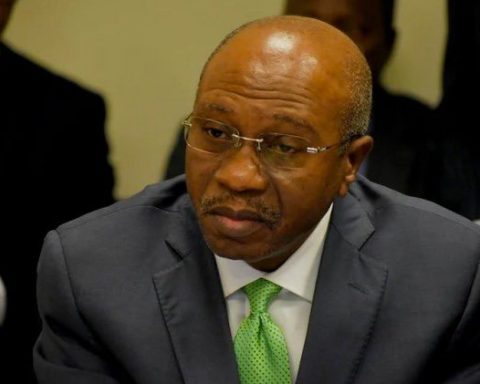
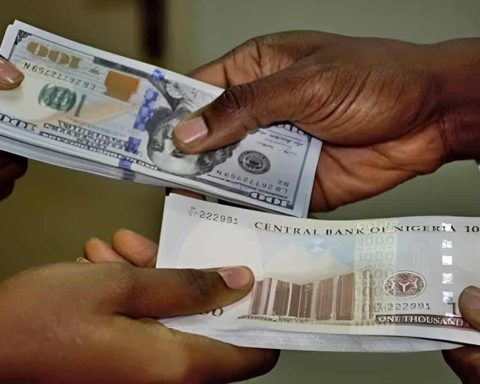
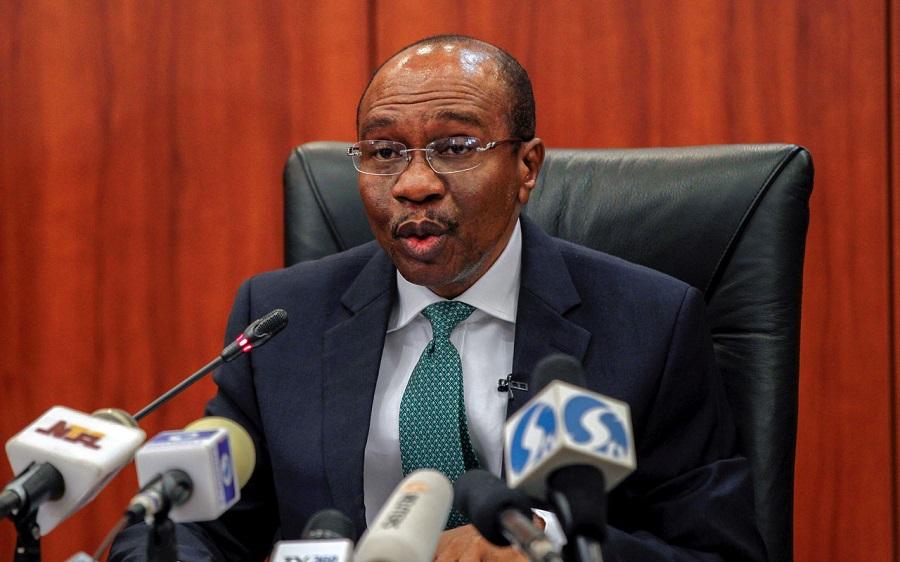
CBN under the present Governor Godwin Emefiele has also maintained a contractionary and restrictive monetary policy and has consistently raise the MPR which is currently at 18% to checkmate inflation which has risen to 21.09%. The Naira redesign was introduced to also help to control the amount of money in circulations and reduce inflation.
Other objectives of the naira redesign are to curb terrorism and deal a fatal blow on the growing kidnapping industry, address the issue of individuals who have made currency fraud their main source of income, entrench a cashless economy and to boost the formal economy and stabilize the economy.
However, experts have noted that currency redesign could be chaotic if the necessary steps are not taken and it goes awry. But a successful currency redesign can create a massive and positive change in the economy.
Barring the unnecessary suspicion by a segment of the political class and the shenanigans of some banks and vested interests, which conspired to sabotage the exercise, CBN took all the necessary and precautionary measures with the full cooperation of the President to ensure the success of the policy.
The apex bank engaged in a nationwide sensitization programme through the print and electronic media and collaborated with the National Orientation Agency to create awareness. It also deployed 30,000 super agents nationwide to assist in the cash swap initiative in the hinterland, rural areas and regions underserved by banks.
Nwobu, a Chartered Stockbroker, can be reached on [email protected] or 08033021230