 Emmanuel Ochayi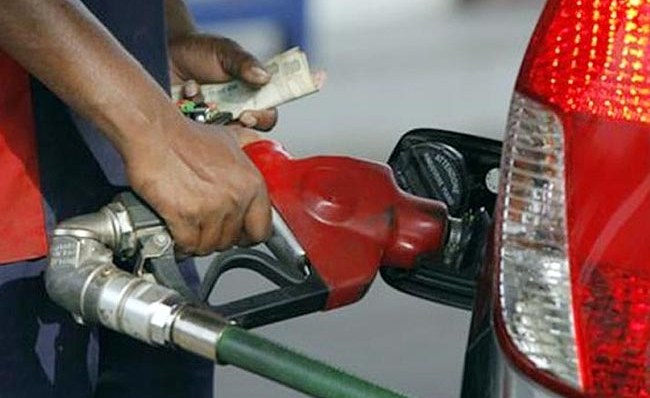
Petrol Price Hike Sparks Concern, but Lagos Transport and Food Prices Stay Unchanged
In the wake of the latest petrol price hike by the Nigerian National Petroleum Company Limited (NNPCL) to N1,000 and N1,030 per litre, up from N897 and N900, Nigerians have braced up for a sharp increase in transport fares and food prices. However, in Lagos, where the cost of petrol has similarly increased, costs of transport and food items remain surprisingly stable, leaving commuters and traders wondering why the anticipated hikes haven’t materialised.
Despite the fears of inflated costs, a visit to key areas in Lagos like Isolo and Oshodi revealed that transportation fares have not changed. “I expected the fare to go up by now,” said Kola, a tricycle operator who plies the Ajao Estate route daily. “But the fare is still ₦200 from Canoe to Underbridge in Ajao Estate, just like before.”
Join our WhatsApp ChannelTransportation Fares Unaffected by Fuel Price Increase
The most significant concern for Lagos residents is the fear of higher transportation costs. Many believed that with the rise in fuel prices, the fares for commercial vehicles, tricycles (popularly known as Keke Napep), and buses would inevitably follow. However, in some areas, fares have remained the same as they were before the petrol hike.
Commuters in Lagos, like Adebola, who travels from Isolo to Oshodi daily, are relieved. “I have been paying ₦500 to get to Oshodi for months now. After hearing about the fuel price increase, I expected it to jump to ₦700 or more, but it’s still ₦500.”
Similarly, tricycle operators like Sodiq, who operates in Ajao Estate, confirmed that their fares have not increased either. “I still charge ₦200 for my passengers from Canoe to Underbridge. We are waiting to see if fuel prices will cause a rise, but so far, no changes,” he said.
While these consistent fares may seem like good news, some transport operators are worried that the cost of operations will soon catch up with them. According to a transport expert, Bode Ademola, the current prices may be temporary. “There’s a lag between when fuel prices rise and when transport operators adjust their fares. It’s only a matter of time,” he said.
READ ALSO: Latest Petrol Price Hike Ill-timed – CPPE
Food Prices Show No Immediate Increase
Aside from transportation, the cost of food items in Lagos has also remained stable, despite widespread predictions of hikes. Essential items such as spaghetti and other staples are being sold at the same prices as before. Market women, however, remain cautious.
At the local market in Mushin, Iya Mariam, a vendor of groceries, said, “We haven’t increased prices yet because fuel only just went up. Maybe in a week or two, we will have to raise prices if transport costs for deliveries go up.” She pointed out that much of the market pricing depends on the costs traders face when transporting goods to the market.
However, some traders express skepticism that prices will rise drastically in the short term. Amaka Chukwu, who sells dry goods at the Yaba market, explained, “There’s always panic after fuel increases, but it doesn’t always affect food prices immediately. We usually wait to see how transportation fares change first.”
Despite the stability of food prices now, experts are warning consumers to brace for possible increases in the coming weeks. “The steady prices are due to many traders still operating on stock bought before the petrol price increase. When new stock comes in, prices are likely to go up,” said Dr. Kemi Ogunleye, an economist who specialises in commodity markets.
Commuters and Traders Await Further Changes
The response to the petrol price increase has been mixed across Lagos. Some believe it is only a matter of time before they start to feel the pinch in their daily expenses, while others are hoping that market forces will stabilise prices.
Transport operators, especially those driving tricycles and buses, are closely watching the situation. Musa, a bus driver along the Oshodi–Mile 2 route, said, “We are still charging the same fare for now, but if fuel prices don’t come down, we’ll have no choice but to increase fares.”
Similarly, food sellers are adopting a “wait and see” approach. “It all depends on how much the transporters charge us to bring in goods from the outskirts,” said Iyabo, a trader at the Canoe market, In Ajao Estate. “If their prices go up, our prices will go up too.”
Expert Analysis: Why the Prices Haven’t Risen Yet
Economic experts like Dr. Kemi Ogunleye attribute the delayed increase in prices to several factors. “There is always a delay between a major fuel hike and its ripple effect across sectors. For now, many market operators are relying on old stock, which is why food prices haven’t risen sharply,” she explained.
She further added that while transportation costs should have gone up immediately, operators may be holding off on raising fares to avoid losing customers. “Most transportation operators know that commuters are already struggling. Raising fares immediately would result in fewer passengers, especially if people begin finding alternative routes or transport modes,” she said.
Dr. Ogunleye also predicted that by the end of the month, Lagos residents could expect transport fares to rise by about 15-20%, and food prices by 10%. “We are in a very uncertain time, but the current trend shows that consumers should expect prices to catch up soon,” she concluded.
Temporary Reprieve?
For now, Lagosians are enjoying a brief respite from the anticipated financial burden brought on by the petrol price increase. While transport fares and food prices remain unchanged, the relief may be short-lived as traders and transportation operators adjust to the new realities of fuel costs. As the situation unfolds, commuters and market operators alike remain on edge, waiting to see how the fuel price hike will eventually impact their wallets.

Emmanuel Ochayi is a journalist. He is a graduate of the University of Lagos, School of first choice and the nations pride. Emmanuel is keen on exploring writing angles in different areas, including Business, climate change, politics, Education, and others.
- Emmanuel Ochayi
- Emmanuel Ochayi