Fakoyejo Olalekan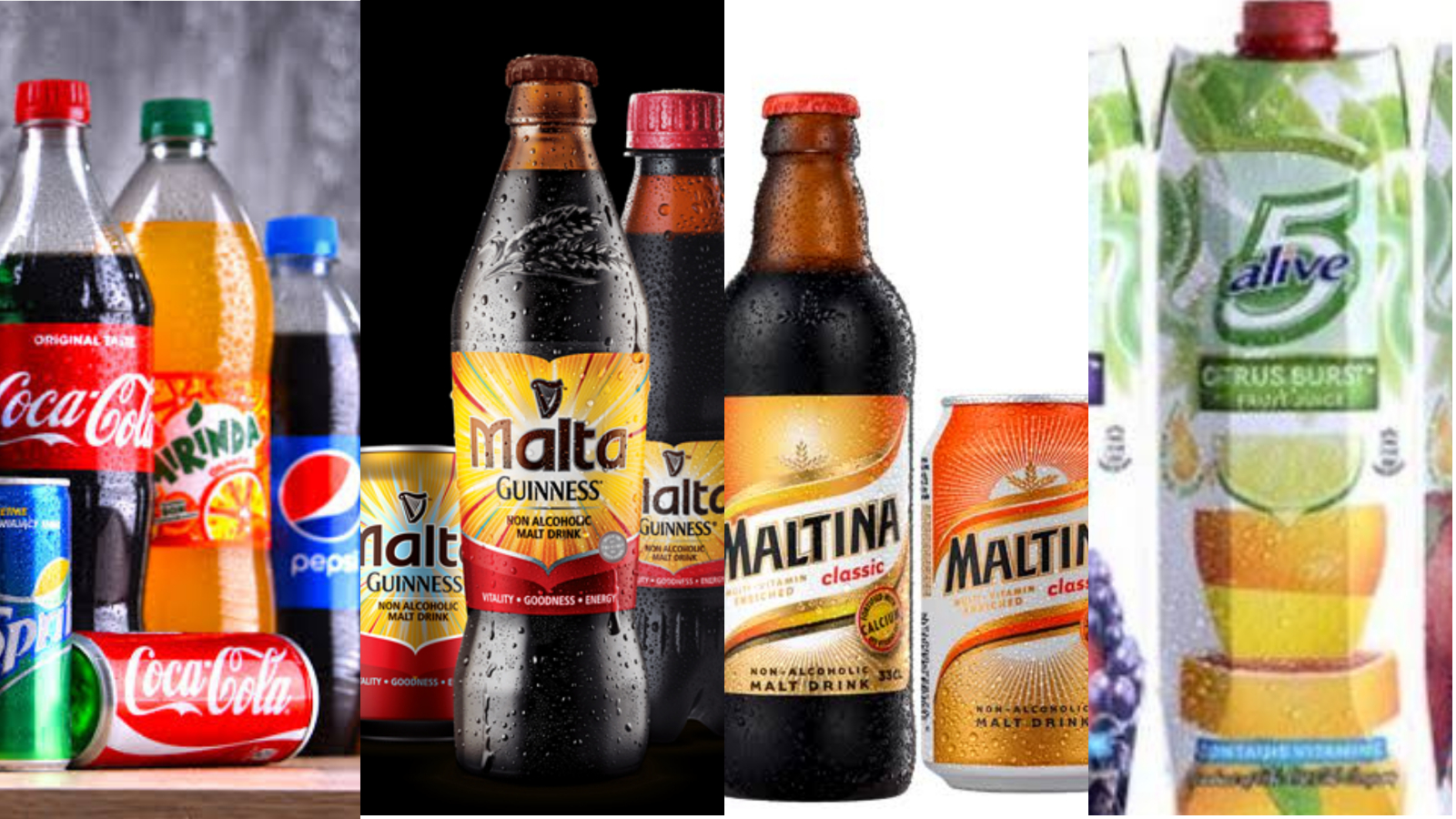
If you’ve been drinking carbonated sugar drinks and other beverages of late, you will notice the prices of buying these products have risen in supermarkets and local markets, compared to their cost last month.
For instance, the cost of buying PET bottle of Coca-Cola has increased by N50, as its it’s now sold at N200, against the N150 consumers have been buying the product since last year.
Join our WhatsApp ChannelThis is because the Federal Government has began to implement the N10 per litre sugar tax on carbonated sugar drinks and beverages, which will affect non-alcoholic products like soft drinks, chocolate-flavoured malted powder product such as Milo and Bournvita, amongst others.
The policy was announced and signed into law by President Muhammadu Buhari on December 31, 2021, through the 2022 Appropriation Bill, but implementation began on June 1, 2022, with the government ignoring the cries of the manufacturers, who said the tax will not serve the purpose FG claim.
Why is Nigerian government demanding N10 per litre sugar tax?
The government is having revenue generation problem. And with debt service taking N94 from every N100 FG generates, the President Buhari-led administration is trying to milk cash from every possible source.
Reason President Buhari approved the reintroduction of the sugar-sweetened tax which was suspended during late President Umaru Yar’Adua’s administration, after it was introduced in 1984 by Buhari himself.
His administration said the N10 tax will be deposited into a fund for the treatment of Non-communicable Diseases, although in January, the Manufacturers Association of Nigeria (MAN), said the revenue generated from the levy “may not be justified in the long run.” the Director-General of the group, Segun Ajayi-Kadir, said.
Confirming the implementation during a Policy Breakfast conference on Thursday, in Abuja, the Chief Superintendent of Customs, Department of Excise, Free Trade Zone and Industrial Incentives, Dennis Ituma, said, “The N10 per litre of Sugar-Sweetened Beverages has been implemented on June 1, by July 21, all excise duties must have been collected and paid into the federation account.”
How will the N10 per litre sugar tax will affect you and companies?
The N10 per litre sugar tax will increase the cost of living among Nigerians and cut down their purchasing power going forward, considering the Central Bank of Nigeria (CBN) had also increased interest on loans to 13% from 11.5%.
Both the tax and increased interest will have a negative impact on manufacturers of non-alcoholic sweetened drinks, as the former will raise cost of doing business or production, and cut their profit from the products.
And with the interest rate increasing cost of borrowing, manufacturers will not be encouraged to expand production, rather, compelled to reduce production output, thereby, their revenue dwindling.
Looking back at the statement of Ajayi-Kadir, he highlighted the impact of the tax, “It will raise production costs, which in turn adversely affect production levels and intimately result in dwindling profits,”
Note that he said this five months before the CBN increased interest rate on loans. Meanwhile, as the companies are battling the cost of doing business, Nigerians in general, will be battling with the cost of living.
Already, Nigeria’s double-digit inflation rate hitting 16.82% has made cost of goods and services to rise, couple with the sugar-sweetened tax and the CBN interest rate, the value of the naira in purchasing goods would worth less.
The N150 that was used to buy Coca-Cola last month, can no longer be used to purchase same product this month, while the N100 that was enough to buy two eggs this time last year, can only buy one egg now.
According to the Federal Government, the tax will also help reduce the consumption of sweetened or sugar products among Nigerians in the long run, however, this will cost companies revenue loss, and might push them to downsize their workforce, considering production level will drop, making some personnel redundant in the manufacturing chains.