 Amanze Chinonye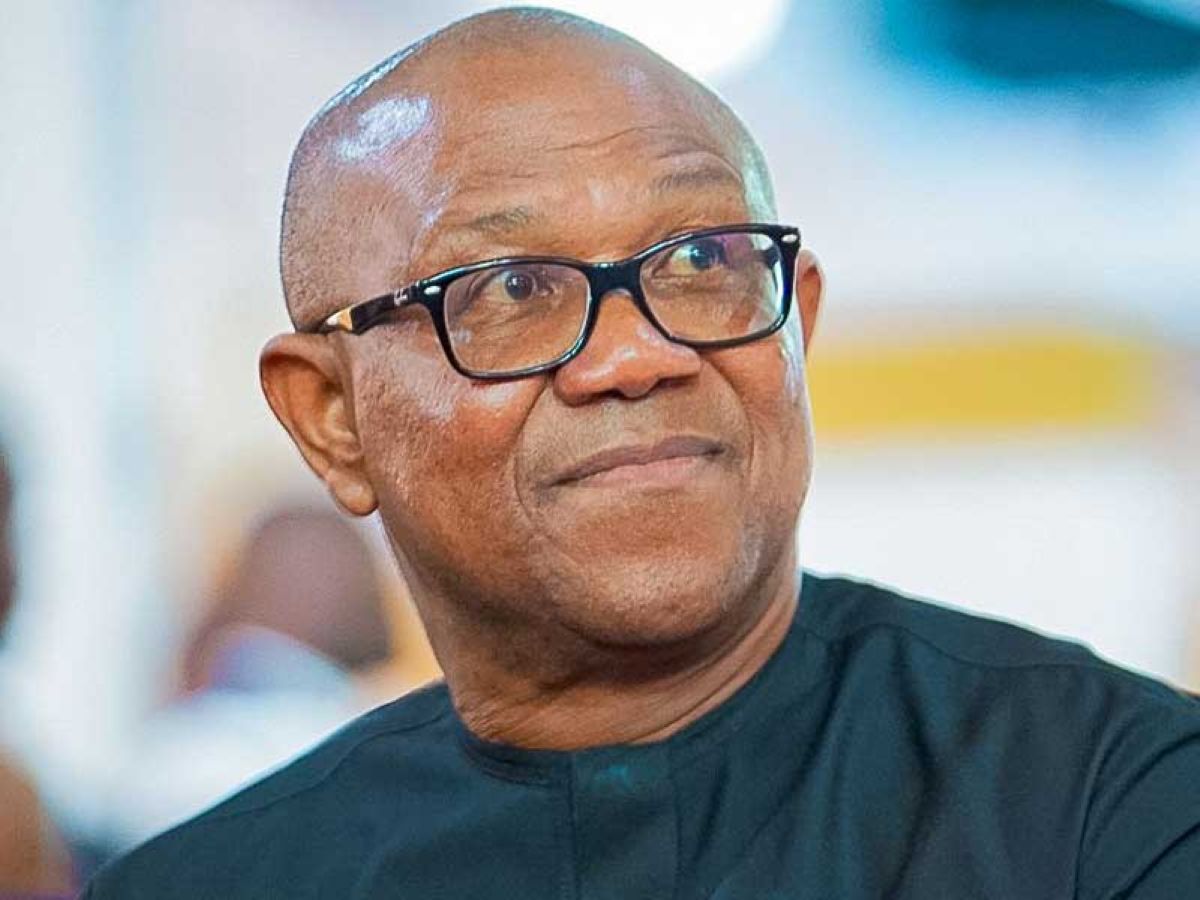
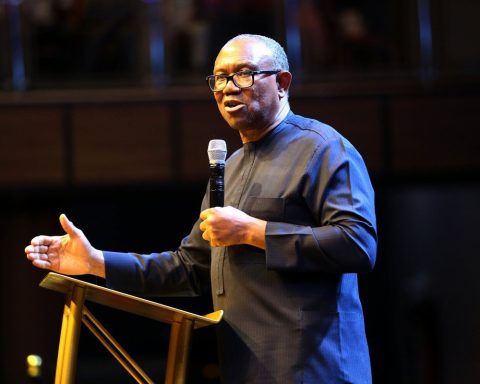
Nigeria Democratic Congress presidential candidate Peter Obi said on Thursday that the country had failed to turn its abundant natural and human resources into broad-based prosperity, using its 66th anniversary of independence to call for stronger action on insecurity, poverty, unemployment and weak public services, Prime Business Africa reports.
In an Independence Day address, Obi said Nigerians were facing severe hardship despite the promises made by President Bola Tinubu’s administration. He called for a shift from what he described as a consumption-driven economy towards one centred on production, job creation and human capital.
Join our WhatsApp ChannelREAD ALSO :
October 1: Nigeria Has Passed Through Its Own Red Sea, Prosperity Is Next – Tinubu
Obi said more than 140 million Nigerians were living in poverty, while more than 18 million children were out of school and more than 35 million young people were unemployed or underemployed. He also said more than 40 million Nigerians could face extreme hunger by the end of 2026.
International food-security assessments estimate that about 35 million Nigerians could face acute food insecurity in 2026, underscoring the scale of the challenge cited by Obi.
The former Anambra governor also pointed to insecurity and displacement, referring to a recent visit with his running mate, Rabiu Kwankwaso, to the Ramin Kura internally displaced persons camp in Sokoto State. Obi said women and children there had limited access to education and healthcare and should instead be able to return safely to their communities.
“If elected in 2027, Obi said his administration would prioritise security, education, healthcare, agriculture, manufacturing and productive enterprise.”
He also pledged to make governance measurable and accountable and said he would spend his presidential holidays in Nigeria, including visits to Zamfara, Borno, Kwara, Ebonyi, Edo and Ekiti states, to engage with communities and better understand their challenges.
READ MORE :
Between Fuel Price Burden And CNG Conversion Cost: The Dilemma Of Nigerians
Obi’s address came as Tinubu, in his own Independence Day speech, said his government’s economic reforms had laid the foundation for a transition from stabilisation to growth and shared prosperity.
Obi said Nigeria’s problem was not a lack of resources but its failure to turn those resources into human development, productivity and economic opportunity. He called for public resources to be deployed for the public good and said a “new Nigeria” was possible through more accountable leadership.

Amanze Chinonye is a Staff Correspondent at Prime Business Africa, a rising star in the literary world, weaving captivating stories that transport readers to the vibrant landscapes of Nigeria and the rest of Africa. With a unique voice that blends with the newspaper's tradition and style, Chinonye's writing is a masterful exploration of the human condition, delving into themes of identity, culture, and social justice. Through her words, Chinonye paints vivid portraits of everyday African life, from the bustling markets of Nigeria's Lagos to the quiet villages of South Africa's countryside . With a keen eye for detail and a deep understanding of the complexities of Nigerian society, Chinonye's writing is both a testament to the country's rich cultural heritage and a powerful call to action for a brighter future. As a writer, Chinonye is a true storyteller, using her dexterity to educate, inspire, and uplift readers around the world.