 Amanze Chinonye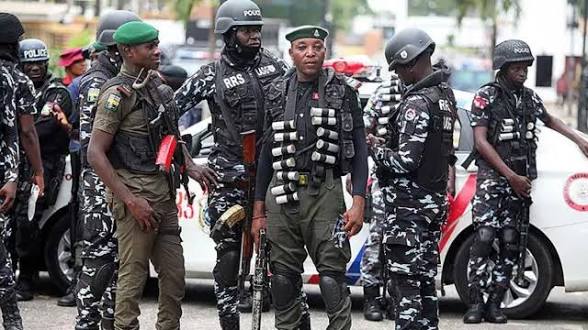
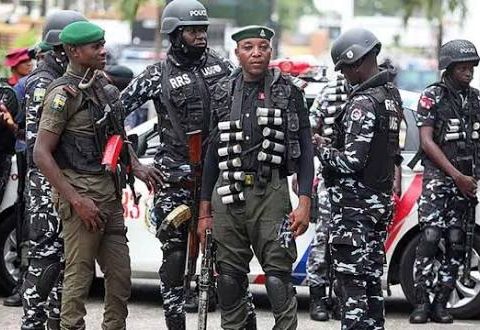
Nigeria’s push to establish state police enters a new phase on Thursday as the Presidency closes public submissions on a proposed National Policing Bill, with the government seeking to settle the legal, financial and accountability framework for a decentralised policing system, Prime Business Africa reports.
The deadline for memoranda and policy proposals is 5 p.m. on Thursday, August 13, 2026 according to the Presidential Working Group on the National Policing Bill. The consultation, which opened as part of a seven-week roadmap unveiled this month, has invited contributions from state governments, lawmakers, security agencies, civil society organisations, professional bodies, academics and other stakeholders.
Join our WhatsApp ChannelREAD ALSO :
House Advances Tinubu’s State Police Bill After Withdrawing Own Proposal
The working group, chaired by President Bola Tinubu’s Chief of Staff, Femi Gbajabiamila, is expected to consider the submissions before presenting a draft Executive National Policing Bill to Tinubu for review on Sept. 3.
The government says the legislation will provide the institutional framework for implementing state police while setting national standards for policing across the federation. The working group’s programme is scheduled to run from July 27 to Sept. 14.
Among the issues opened to public scrutiny are the powers of the proposed National Police Council, relations between federal and state police, operational jurisdiction, recruitment and personnel transition, funding, firearms regulation, human rights protections, complaints and disciplinary procedures, federal intervention and the regulation of vigilante groups.
The framework is also expected to address police training, remuneration, pensions, equipment, intelligence-sharing, data management and independent oversight, areas that could determine how effectively federal and state police operate alongside each other.
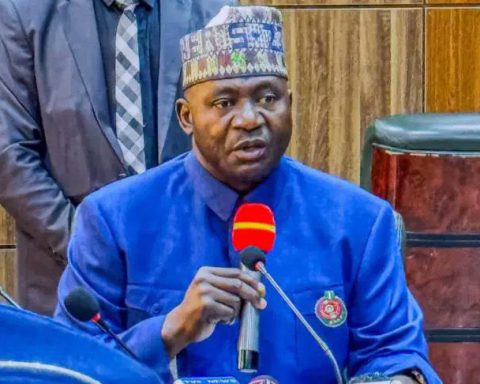
Gbajabiamila has warned that decentralising policing must not create new opportunities for political repression. He said safeguards would be needed to prevent state police from being used against political opponents, protesters, journalists or minority communities, while ensuring officers operate within the Constitution, human rights standards and the rule of law.
Attorney-General and Justice Minister Lateef Fagbemi has similarly argued that common minimum standards are necessary to prevent state police from becoming instruments of political persecution and to ensure citizens receive comparable protection regardless of which police service operates in their state.
The proposed reform would mark a significant departure from Nigeria’s current policing structure, in which the Nigeria Police Force is the country’s central police institution. But the National Policing Bill alone cannot establish state police.
A separate constitutional amendment is required. The House of Representatives passed a constitutional alteration proposal in June seeking to move policing from the Exclusive Legislative List to the Concurrent Legislative List, which would allow states to establish, fund and operate their own police services alongside the federal police.
The constitutional process requires identical approval by a two-thirds majority in both chambers of the National Assembly, followed by approval from at least 24 of the 36 State Houses of Assembly before the amendment can be presented to the President for assent.
This means the end of Thursday’s consultation will not immediately bring state police into operation. States would still need enabling legislation, institutions, personnel and funding, while meeting nationally prescribed requirements before establishing their own police services.
READ MORE :
Explained: How the Proposed State Police Bill Could Transform Policing in Nigeria
The reform is being pursued against a backdrop of persistent insecurity, including terrorism, banditry, kidnapping and communal violence. Supporters argue that policing closer to communities could improve intelligence gathering and response times by giving officers greater knowledge of local languages, geography and crime patterns.
But the decentralisation of police powers also raises questions over funding disparities between states, political control, human rights, professional standards and mechanisms for investigating police misconduct.
The working group has said public submissions will be assessed through a comments-and-disposition process, allowing recommendations to be accepted, modified, deferred or rejected before the bill is finalised.
The next major milestone will come on Sept. 3, when President Bola Tinubu is expected to review the draft bill. It will then undergo further consultation and legislative scrutiny, while the constitutional process required to establish state police remains ongoing.
Thursday’s deadline closes the current phase of public consultation, bringing the government closer to defining the legal and institutional framework for what would be a major shift in Nigeria’s policing system.

Amanze Chinonye is a Staff Correspondent at Prime Business Africa, a rising star in the literary world, weaving captivating stories that transport readers to the vibrant landscapes of Nigeria and the rest of Africa. With a unique voice that blends with the newspaper's tradition and style, Chinonye's writing is a masterful exploration of the human condition, delving into themes of identity, culture, and social justice. Through her words, Chinonye paints vivid portraits of everyday African life, from the bustling markets of Nigeria's Lagos to the quiet villages of South Africa's countryside . With a keen eye for detail and a deep understanding of the complexities of Nigerian society, Chinonye's writing is both a testament to the country's rich cultural heritage and a powerful call to action for a brighter future. As a writer, Chinonye is a true storyteller, using her dexterity to educate, inspire, and uplift readers around the world.