Amanze Chinonye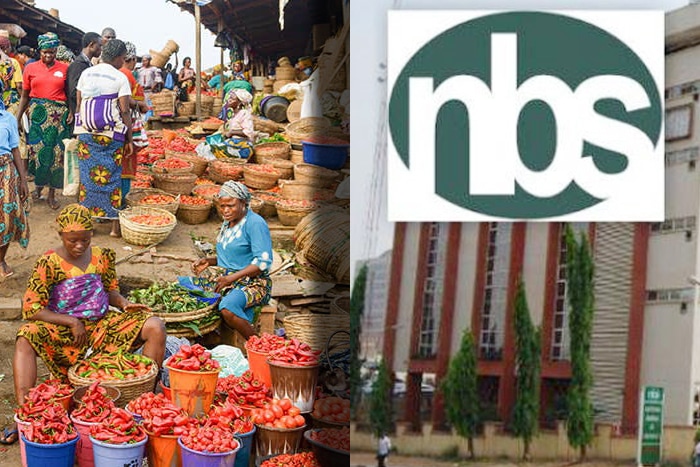
Nigeria’s headline inflation rate edged lower to 15.91 per cent in June 2026, marking its first decline in five months and strengthening expectations that the Central Bank of Nigeria (CBN) may keep its benchmark interest rate unchanged at the next meeting of its Monetary Policy Committee (MPC).
The latest Consumer Price Index (CPI) report released by the National Bureau of Statistics (NBS) showed that inflation fell marginally from 15.93 per cent recorded in May, representing a two-basis-point decline. The figure is also significantly lower than the 25.29 per cent recorded in June 2025, highlighting a continued moderation in consumer price growth over the past year.
Join our WhatsApp ChannelREAD ALSO :
Why NBS Will Add Drug Trafficking, Prostitution To Calculate Nigeria’s GDP
The June inflation figure aligns with projections by economic analysts, including BusinessDay, which had forecast headline inflation at about 15.9 per cent.
On a month-on-month basis, headline inflation slowed to 1.66 per cent in June from 1.75 per cent in May, indicating that the pace of price increases eased slightly during the month.
Despite the moderation in headline inflation, food prices remained a major source of pressure on household budgets.
According to the NBS, food inflation rose to 17.52 per cent year-on-year in June, up from 16.96 per cent in May. On a month-on-month basis, food inflation accelerated to 3.75 per cent, compared with 2.98 per cent in the previous month, representing an increase of 0.77 percentage points.
The bureau attributed the rise in food inflation to higher prices of staple commodities, including fresh tomatoes, fresh pepper, crayfish, beef, bananas, yam flour, water yam, cassava flour, garri, cowpeas and Irish potatoes.
READ MORE :
The latest figures present a mixed picture of Nigeria’s inflation outlook. While overall price pressures continue to ease, persistent increases in food prices are still eroding household purchasing power and keeping the cost of living elevated.
The inflation data also comes against the backdrop of renewed uncertainty in the global energy market. Heightened geopolitical tensions involving the United States and Iran have pushed international crude oil prices above $80 per barrel, raising concerns that higher energy costs could eventually filter into Nigeria’s domestic economy.
Although Nigeria is a major crude oil producer, fluctuations in global oil prices continue to influence domestic fuel prices, transportation costs and production expenses, with potential implications for inflation.
Attention is now focused on next week’s meeting of the CBN’s Monetary Policy Committee, where policymakers are expected to weigh the easing trend in headline inflation against persistent food price pressures and external risks.
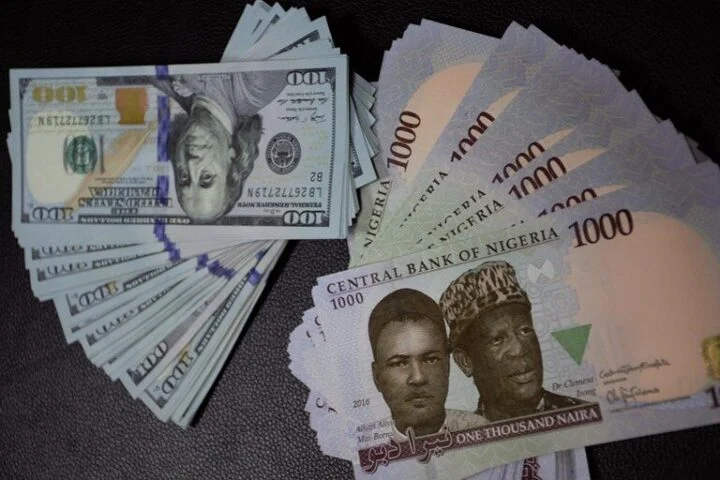
Most analysts expect the committee to leave interest rates unchanged, allowing policymakers more time to assess the inflationary impact of developments in the global oil market, exchange rate movements and the implementation of the Dangote Refinery’s naira-for-crude supply arrangement.
While the moderation in headline inflation offers cautious optimism, economists maintain that sustained improvements in food production, supply chains, exchange-rate stability and energy costs will be essential to achieving a broader and more durable decline in consumer prices.

Amanze Chinonye is a Staff Correspondent at Prime Business Africa, a rising star in the literary world, weaving captivating stories that transport readers to the vibrant landscapes of Nigeria and the rest of Africa. With a unique voice that blends with the newspaper's tradition and style, Chinonye's writing is a masterful exploration of the human condition, delving into themes of identity, culture, and social justice. Through her words, Chinonye paints vivid portraits of everyday African life, from the bustling markets of Nigeria's Lagos to the quiet villages of South Africa's countryside . With a keen eye for detail and a deep understanding of the complexities of Nigerian society, Chinonye's writing is both a testament to the country's rich cultural heritage and a powerful call to action for a brighter future. As a writer, Chinonye is a true storyteller, using her dexterity to educate, inspire, and uplift readers around the world.