 Amanze Chinonye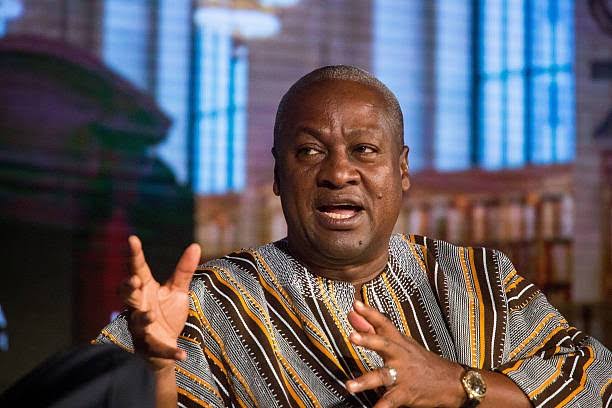
The 2026 Kwahu Business held on April 4, 2026, during the Easter festivities in Ghana’s Eastern Region, reinforced its emergence as a serious economic platform bringing together policymakers, investors and entrepreneurs to chart a path toward a more production-driven economy.
At the centre of the conversations was President John Dramani Mahama, whose policy direction shaped much of the forum’s tone, alongside contributions from key government officials and private sector leaders.
From Cultural Gathering to Economic Engine
Originally conceived as a way to complement the Kwahu Easter celebrations, the forum has rapidly evolved into a national platform for business engagement and policy dialogue.
Join our WhatsApp ChannelMahama traced its origins to 2023, when the idea was first proposed to harness the large annual gathering of entrepreneurs and investors in Kwahu. Since then, it has grown into a structured forum designed to bridge the gap between government policy and private sector execution.
Chief of Staff Julius Debrah described the forum as a space “where policy meets practice,” reflecting its growing influence in shaping economic conversations beyond ceremonial engagement.
READ ALSO : Aniagolu: Unsung Women Driving Nigeria’s Economy Must Be Fueled with Finance
24-Hour Economy and the Shift to Production
A dominant theme at the forum was Ghana’s transition from a consumption-driven economy to one anchored on production and industrialisation.
Mahama outlined key elements of his proposed 24-hour economy agenda, including a policy that would allow registered businesses to clear goods at ports within 24 hours an intervention aimed at addressing chronic delays in cargo processing.
The policy forms part of a broader incentive package that includes duty-free importation of machinery and support for round-the-clock production systems. Together, these measures are expected to reduce operational costs, improve efficiency and stimulate manufacturing growth.
Speakers emphasised that industrialisation particularly through manufacturing and value addition remains central to job creation, expansion of value chains and Ghana’s competitiveness within the regional market.
Governance, Scale and the Future of Enterprise
Beyond policy incentives, discussions at the forum focused heavily on the structural challenges facing African businesses.
Participants highlighted weak corporate governance, lack of succession planning and limited scalability as persistent issues undermining long-term sustainability. Many businesses, it was noted, remain overly dependent on founders, making them vulnerable to collapse without strong institutional frameworks.
Mahama and other speakers urged entrepreneurs to prioritise governance systems, adopt long-term strategies and explore mergers, acquisitions and partnerships as pathways to growth.
The forum also stressed the importance of corporate responsibility, with calls for businesses to integrate social impact into their operations while building trust with communities and stakeholders.
The 2026 Kwahu Business Forum ultimately delivered a clear message: Ghana’s economic transformation will depend not only on bold policy proposals but also on the ability of businesses to scale, institutionalise and compete.
As the forum continues to grow in relevance, it is increasingly positioning itself as a key driver in the country’s push for industrialisation, efficiency and sustainable enterprise development.

Amanze Chinonye is a Staff Correspondent at Prime Business Africa, a rising star in the literary world, weaving captivating stories that transport readers to the vibrant landscapes of Nigeria and the rest of Africa. With a unique voice that blends with the newspaper's tradition and style, Chinonye's writing is a masterful exploration of the human condition, delving into themes of identity, culture, and social justice. Through her words, Chinonye paints vivid portraits of everyday African life, from the bustling markets of Nigeria's Lagos to the quiet villages of South Africa's countryside . With a keen eye for detail and a deep understanding of the complexities of Nigerian society, Chinonye's writing is both a testament to the country's rich cultural heritage and a powerful call to action for a brighter future. As a writer, Chinonye is a true storyteller, using her dexterity to educate, inspire, and uplift readers around the world.