 Amanze Chinonye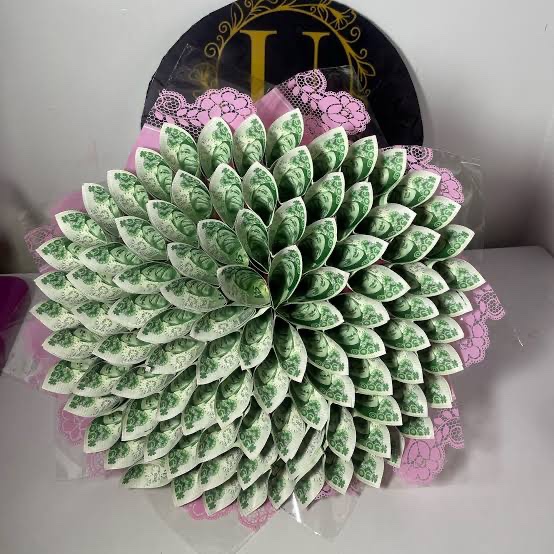
As Valentine’s Day approaches, the Central Bank of Nigeria (CBN) has reminded the public that using Naira notes for decorative purposes, including money bouquets, towers, or cash cakes, is illegal and classified as currency abuse, Prime Business Africa reports.
Offenders may face up to six months in prison, a fine of ₦50,000, or both under existing laws.
Money bouquets arrangements where folded Naira notes are combined with flowers or other decorative items have grown increasingly popular during celebrations such as birthdays, weddings, and Valentine’s Day. Yet the CBN emphasizes that such displays violate the Central Bank of Nigeria Act, 2007, which prohibits defacing, mutilating, spraying, or otherwise mishandling legal tender.
Join our WhatsApp ChannelREAD ALSO : Top 10 Ways To Celebrate Valentine’s Day If You Are Single
Faith-based Group Spreads Love To Inmates At Onitsha Correctional Center On Valentine’s Day
Valentine’s Day Gift Ideas For Him, Her
The renewed attention to cash bouquets has sparked widespread discussion online, with many Nigerians questioning the timing and priorities of the enforcement. Critics argue that in a country facing inflation, high unemployment, insecurity, and a struggling Naira, Valentine’s Day gifting practices are a minor issue.
“So, creative gifts are suddenly a national threat while bigger economic problems persist?” asked one social media commentator, reflecting the skepticism shared by many users. Others used humor to highlight the everyday absurdity of policing romantic displays, while some stressed that respect for the Naira is crucial and that public awareness can help curb careless handling of currency.
Legally, the warning is not new. The CBN is simply reinforcing an existing law, reminding Nigerians that currency abuse includes activities such as spraying, stapling, folding, or decorating banknotes for non‑transactional purposes. The bank points out that decorative use of notes reduces their lifespan, increases replacement costs, and undermines their value in circulation.
Some members of the public suggested creative workarounds, such as using fake notes for decoration while giving the actual cash separately, as a compromise that respects both the law and gifting traditions. Others agreed with the CBN, noting that the advisory could encourage more financially responsible celebrations and preserve the integrity of the Naira.
The debate highlights a broader tension between popular social practices and regulatory enforcement. In recent years, authorities have increased monitoring and prosecution of currency abuse at social events, signaling that Naira protection is a priority, even as everyday economic hardships persist.
As Valentine’s Day draws near, Nigerians are being urged to rethink how they present gifts, ensuring that money-related gestures comply with legal standards and avoid potential penalties.

Amanze Chinonye is a Staff Correspondent at Prime Business Africa, a rising star in the literary world, weaving captivating stories that transport readers to the vibrant landscapes of Nigeria and the rest of Africa. With a unique voice that blends with the newspaper's tradition and style, Chinonye's writing is a masterful exploration of the human condition, delving into themes of identity, culture, and social justice. Through her words, Chinonye paints vivid portraits of everyday African life, from the bustling markets of Nigeria's Lagos to the quiet villages of South Africa's countryside . With a keen eye for detail and a deep understanding of the complexities of Nigerian society, Chinonye's writing is both a testament to the country's rich cultural heritage and a powerful call to action for a brighter future. As a writer, Chinonye is a true storyteller, using her dexterity to educate, inspire, and uplift readers around the world.