 Amanze Chinonye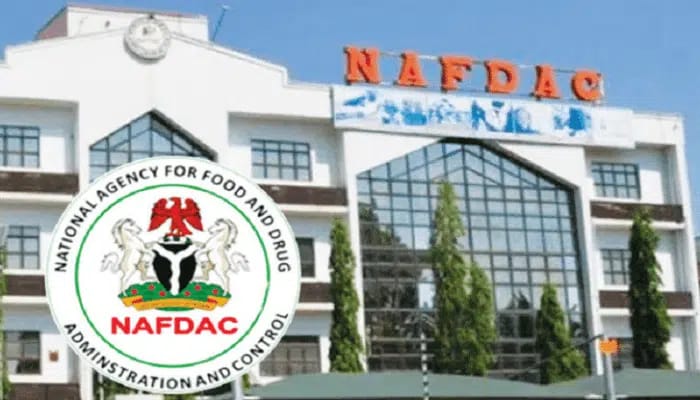
The National Agency for Food and Drug Administration and Control (NAFDAC) has resumed enforcement of the ban on the production and sale of alcoholic beverages packaged in sachets and in PET or glass bottles below 200 millilitres, clarifying that the action does not involve the shutdown of any alcohol-producing company.
In a press release issued on Thursday, January 29, 2026, NAFDAC said the enforcement followed a resolution of the Senate of the Federal Republic of Nigeria and aligns with the agency’s public health mandate to reduce the harmful use of alcohol, particularly among children, adolescents and young adults.
The agency explained that the widespread availability, low cost and ease of concealment of sachet and small-volume alcohol have contributed to underage access, misuse and addiction, with attendant social consequences such as road accidents, school dropouts and other social vices.
Join our WhatsApp ChannelREAD ALSO : Sachet Alcohol Crisis: MAN, Labour Unions Fault NAFDAC Over Ban, Warn of Job Losses
NAFDAC stressed that the enforcement is limited strictly to two packaging categories spirit drinks sold in sachets and in PET or glass bottles below 200 millilitres adding that alcoholic beverages packaged in larger volumes remain approved for production and sale in Nigeria.
“The action does not involve the closure of any alcohol-producing company,” the agency stated, dismissing claims that enforcement operations had led to factory shutdowns.
The regulatory body recalled that it entered into a Memorandum of Understanding with industry stakeholders in December 2018 to phase out sachet and small-volume alcohol packaging, initially by January 31, 2024. The moratorium was later extended to December 2025 to allow manufacturers exhaust existing stock and reconfigure production lines.
According to NAFDAC, the current enforcement is consistent with that agreement as well as Nigeria’s commitment to the World Health Assembly’s Global Strategy to Reduce the Harmful Use of Alcohol.
Commenting on the policy, the Director-General of NAFDAC, Prof. Mojisola Christianah Adeyeye, said the ban is intended to protect public health rather than punish manufacturers.
“This ban is not punitive; it is protective. It is designed to safeguard children and young people from easy access to alcohol and the long-term consequences of misuse,” she said. “The health of Nigerians, especially the younger population, must take priority.”
Prof. Adeyeye called on manufacturers, distributors and other stakeholders to comply fully with the regulation, noting that no further extensions beyond December 2025 would be granted.
The resumption of enforcement comes amid ongoing debate and protests by some industry groups and labour unions, who argue that the ban could threaten jobs and disrupt businesses, while health authorities maintain that the measure is necessary to curb alcohol-related harm in the country.

Amanze Chinonye is a Staff Correspondent at Prime Business Africa, a rising star in the literary world, weaving captivating stories that transport readers to the vibrant landscapes of Nigeria and the rest of Africa. With a unique voice that blends with the newspaper's tradition and style, Chinonye's writing is a masterful exploration of the human condition, delving into themes of identity, culture, and social justice. Through her words, Chinonye paints vivid portraits of everyday African life, from the bustling markets of Nigeria's Lagos to the quiet villages of South Africa's countryside . With a keen eye for detail and a deep understanding of the complexities of Nigerian society, Chinonye's writing is both a testament to the country's rich cultural heritage and a powerful call to action for a brighter future. As a writer, Chinonye is a true storyteller, using her dexterity to educate, inspire, and uplift readers around the world.