 Prosper Okoye
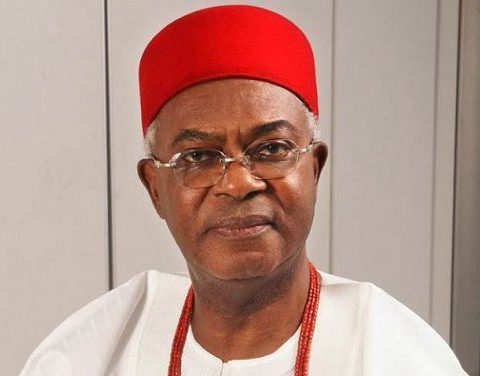
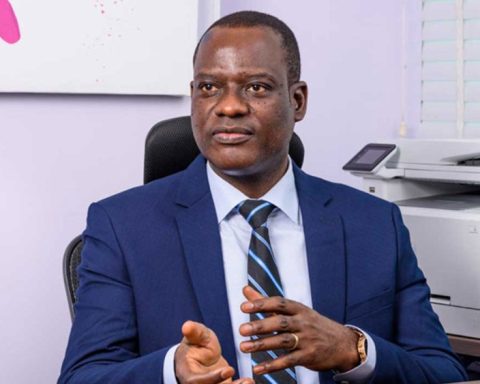
A former Nigerian aviation minister, Osita Chidoka, has said the country’s national honours system has lost its moral authority and now rewards political proximity rather than genuine sacrifice and service.
Speaking in a televised interview on Tuesday, Mr Chidoka said the increasing politicisation of national honours had weakened their meaning and distorted Nigeria’s pro-democracy history.
“Proximity to power seems to be very well rewarded,” he said, questioning whether the rules guiding the awards were still clear.
Join our WhatsApp ChannelHis comments come amid renewed public debate over recent honours lists, particularly awards linked to Nigeria’s pro-democracy struggle following the annulment of the June 12, 1993 presidential election.
Mr Chidoka said while some recognised figures deserved their awards, others who paid “heavy personal prices” during the struggle against military rule had been overlooked.
“Last year, the president honoured people he described as democrats,” he said. “Many deserved it, but I felt there was a missing link.”
He said his concerns deepened following the recent award of the Grand Commander of the Order of the Niger (GCON) to the Lebanese-Nigerian businessman Gilbert Chagoury, while some long-standing pro-democracy activists remained unrecognised.
Mr Chidoka, who said he was personally involved in the June 12 struggle, argued that key figures from the Eastern Mandate Union (EMU) and parts of the National Democratic Coalition (NADECO) had been sidelined.
“There is unfinished business in recognising those who confronted military rule,” he said, pointing to activists who faced detention, exile and personal loss.
He also questioned what he described as inconsistencies in the application of honours rules, citing posthumous awards and honours traditionally reserved for presidents being extended to others.
“Our GCFR is meant for presidents, yet it has been given to non-Nigerian leaders,” he said, referring to a previous award to India’s Prime Minister Narendra Modi.
Mr Chidoka rejected suggestions that the omission of eastern pro-democracy figures was accidental, recalling a key NADECO meeting held in Enugu during the Abacha era, which he said helped transform the group into a national movement.
“It was in Enugu that NADECO became a national institution,” he said, adding that many Nigerians were unaware of the role played by activists from the South-East.
He called for structural reforms to the honours system, including delaying awards until public officials have left office.
“You shouldn’t be sitting where decisions are being taken and be rewarded at the same time,” he said.
60% VAT Formula Could Reduce South-East Allocation, Chidoka Warns
Fuel Cost: Nigerian Workers’ Income Too Low To Sustain Consumption – Chidoka
Mr Chidoka, who holds the Officer of the Federal Republic (OFR) honour, said he was not rejecting the system outright but calling for clearer criteria, including integrity and freedom from corruption allegations.
“It is important that our stories are told correctly,” he said, adding that the June 12 struggle cut across ethnic and regional lines.
He warned that failing to reform the honours system risked erasing Nigeria’s shared democratic history.
“We can’t build a country without values,” he said.

Prosper Okoye is a Correspondent and Research Writer at Prime Business Africa, a Nigerian journalist with experience in development reporting, public affairs, and policy-focused storytelling across Africa