 Emmanuel Ochayi
The number of women in national parliaments is a key measure of gender equality and inclusive governance. Over the years, African countries have made significant efforts to increase women’s participation in politics through gender quotas, reserved seats, and campaigns for equal representation. Some nations now rank among the highest globally in terms of female parliamentary representation.
Rwanda
Rwanda has the highest percentage of women in parliament, not just in Africa but worldwide. Women hold 63.8% of parliamentary seats, making Rwanda a model for gender-inclusive governance. The country’s progress results from policies that promote equal representation, ensuring that women play an active role in decision-making.
Join our WhatsApp ChannelSouth Africa
South Africa has also prioritised women’s participation in governance. Women occupy 44.7% of parliamentary seats, reflecting the country’s commitment to gender equality. Policies that encourage female representation have contributed to this progress, making South Africa one of the leading African countries in promoting women’s leadership.
READ ALSO: Full List: Least Powerful African Passports
Cabo Verde
Cabo Verde has also recorded significant strides in women’s political representation. With 44.4% of parliamentary seats held by women, the country has embraced policies that ensure female voices are heard in decision-making processes. Gender-inclusive reforms continue to strengthen women’s roles in governance.
Ethiopia
Ethiopia has made notable progress in recent years, with women holding 41.9% of parliamentary seats. Government initiatives aimed at empowering women in leadership have played a crucial role in this achievement. These efforts are helping to create a more balanced political landscape in the country.
Senegal
Senegal’s national parliament has 41.2% of seats occupied by women. This progress is a result of policies that promote gender equality in politics. The country’s efforts to increase women’s participation in governance demonstrate its commitment to inclusive decision-making.
Namibia
Namibia has also made significant progress, with women holding 40.6% of parliamentary seats. The country has implemented various policies and reforms to ensure more women have opportunities in politics. This approach has strengthened women’s influence in national governance.
Mozambique
Mozambique has 39.2% female representation in its national parliament. The country’s dedication to gender equality in leadership has contributed to this achievement. Efforts to empower women in politics continue to shape Mozambique’s governance landscape.
Angola
Angola has also embraced policies that support women’s involvement in governance. Women hold 39.1% of seats in parliament, reflecting ongoing efforts to ensure equal representation. The country’s progress highlights the impact of gender-inclusive reforms.
READ ALSO: Full List Of African Cities With Highest Purchasing Power
Burundi
Burundi has 38.2% of its parliamentary seats occupied by women. The country has implemented policies that encourage female participation in politics, leading to greater representation in decision-making bodies. This progress strengthens Burundi’s commitment to gender equality.
Tanzania
Tanzania has recorded significant gains in women’s representation, with 37.8% of parliamentary seats held by women. The country’s commitment to promoting gender-inclusive policies has played a key role in this achievement.
The Impact of Female Representation in African Politics
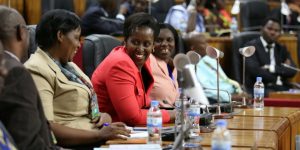
The growing number of women in African parliaments reflects progress towards gender equality and inclusive governance. These African countries have demonstrated that policies aimed at increasing female participation in politics can lead to significant improvements. As more African nations continue to implement gender-inclusive reforms, women’s roles in decision-making are expected to grow, strengthening democratic processes across the continent.

Emmanuel Ochayi is a journalist. He is a graduate of the University of Lagos, School of first choice and the nations pride. Emmanuel is keen on exploring writing angles in different areas, including Business, climate change, politics, Education, and others.
- Emmanuel Ochayi
- Emmanuel Ochayi