 Emmanuel Ochayi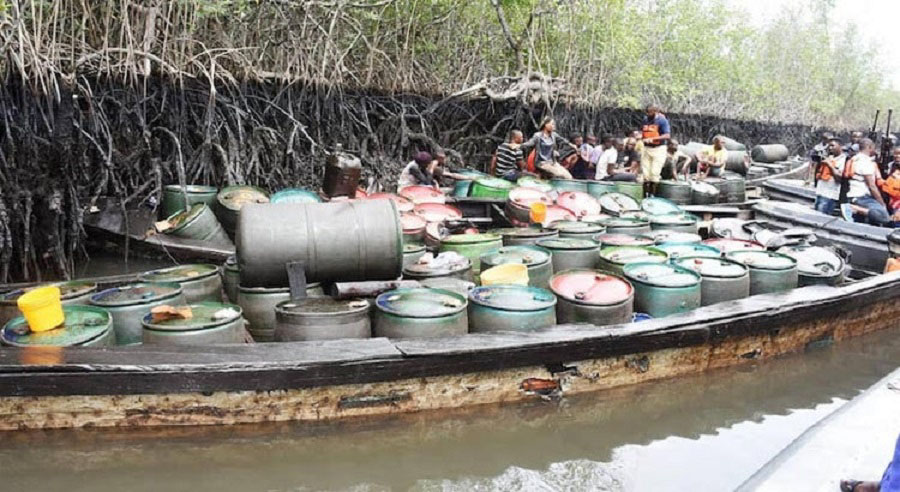
Crude Oil Theft: A Persistent Challenge
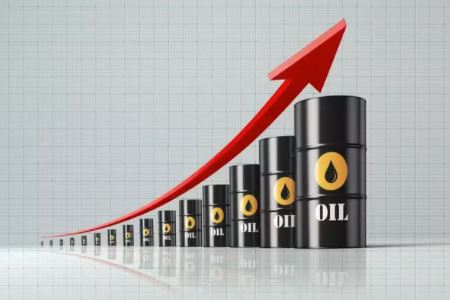
Nigeria recently achieved a production milestone of 1.8 million barrels per day (mbpd), inching closer to its OPEC quota. However, crude oil theft remains a significant issue undermining the country’s oil sector. Experts warn that this menace not only hampers economic growth but also erodes Nigeria’s global reputation as an oil-producing nation.
“The problem of crude oil theft is deep-rooted,” said Osagie Okunbor, Managing Director of the Shell Petroleum Development Company of Nigeria. Speaking at a recent energy conference, he called for urgent measures to address theft and illegal refining.
Join our WhatsApp ChannelThe Impact of Crude Oil Theft on Nigeria’s Economy
Oil theft directly impacts Nigeria’s ability to meet its OPEC quota, depriving the nation of billions of dollars annually. According to Chijioke Eze, an economist, “Crude oil theft drains funds that could be used for infrastructure, healthcare, and education. The ripple effect is devastating.”
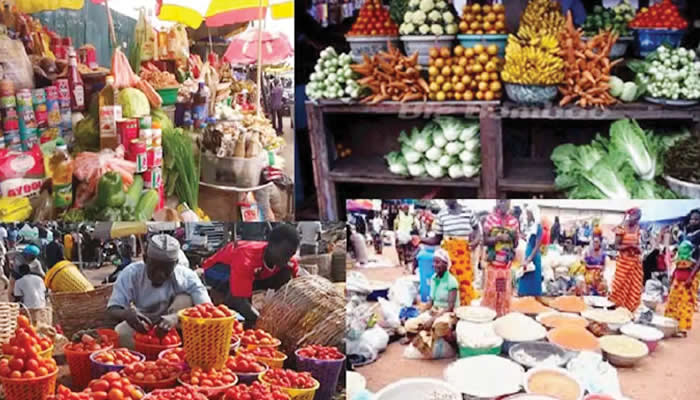
For small business owner, Maryam Yusuf, in Lagos, the consequences are felt every day. “Fuel prices keep going up because of oil theft. It’s affecting everything, from food prices to transportation,” she lamented.
READ ALSO: Assessing War On Crude Oil Theft In Nigeria
Similarly, Obinna Nwachukwu, a university lecturer, explained the environmental toll. “Illegal refining destroys local ecosystems. Rivers and farmlands are polluted, and communities lose their means of livelihood.”
Experts Call for Stronger Regulatory Frameworks
Energy experts believe tackling crude oil theft requires more than just physical interventions; it demands policy reform. Gogo Eneyok, Shell’s Exploration Manager, emphasised, “The government needs to enforce stricter laws and implement the Petroleum Industry Act effectively.”
Bashir Lawal, a former oil industry executive, suggested leveraging technology. “Surveillance drones and AI systems can help monitor pipelines and detect theft in real-time,” he proposed.
Despite these recommendations, progress has been slow. “Corruption and lack of political will are major roadblocks,” said Ngozi Ude, a Lagos-based energy analyst.
Voices from the Communities
In the Niger Delta, where oil theft is rampant, residents express a mix of frustration and hope.
“Oil theft is robbing us of our future,” said Emeka Okoro, a community leader on X (formerly Twitter). “Young people are lured into illegal refining because they see no other opportunities.”
Joyce Uduak, a fisherwoman, described the environmental impact. “Our waters are polluted, and fish are dying. We need action to save our communities.”
Others are more optimistic. “If the government and companies work together, we can create jobs and stop this menace,” said Edwin Daniel, a local activist.
A Glimmer of Hope Amid Challenges
Despite the challenges, Nigeria’s energy sector shows resilience. Companies like Shell are investing in cleaner energy solutions and technologies to combat emissions. Moreover, collaboration with global and local stakeholders could pave the way for sustainable growth.
“Addressing crude oil theft isn’t just about meeting OPEC quotas,” Okunbor remarked. “It’s about securing Nigeria’s future and protecting our environment.”
The Way Forward
The fight against crude oil theft requires a multi-pronged approach. Experts suggest a combination of community engagement, policy enforcement, and technological innovation. Citizens, too, have a role to play by reporting illegal activities and supporting sustainable energy practices.
With 1.8mbpd achieved, Nigeria has shown its potential. However, the journey to fully realise its oil production capacity demands urgent action to end crude oil theft. Only then can the nation reap the full benefits of its natural resources and achieve long-term economic stability.

Emmanuel Ochayi is a journalist. He is a graduate of the University of Lagos, School of first choice and the nations pride. Emmanuel is keen on exploring writing angles in different areas, including Business, climate change, politics, Education, and others.