 Emmanuel Ochayi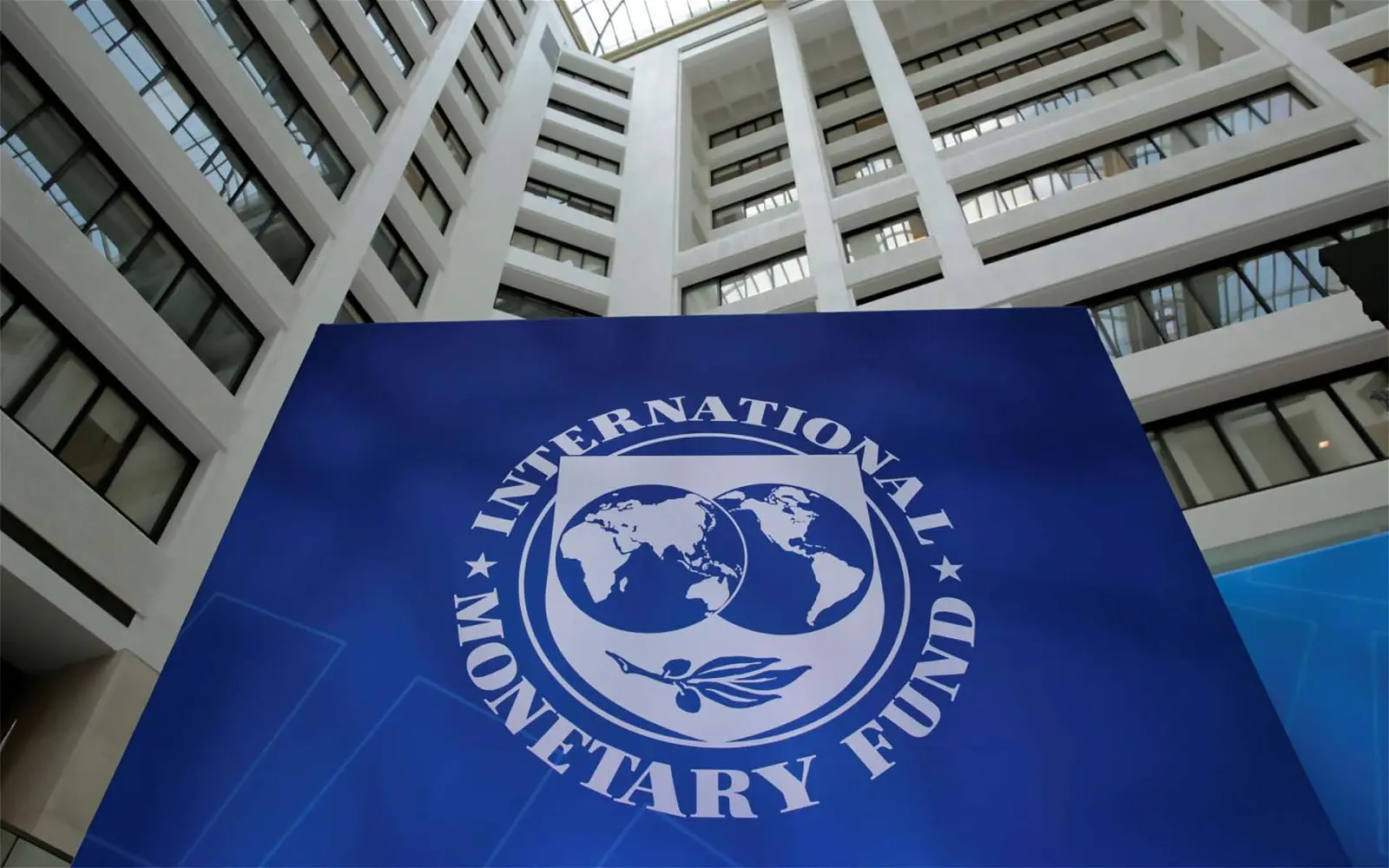
Negotiations over the minimum wage for Nigerian workers may prompt the Federal Government to consider a supplementary budget to accommodate potential increases, as reported by the International Monetary Fund (IMF).
The IMF’s latest staff country report for Nigeria highlighted the possibility of the negotiated amount surpassing the budgeted allocation in the original 2024 budget.
Join our WhatsApp Channel“The authorities noted that a supplementary budget may be needed to accommodate the outcome of the ongoing wage structure negotiations which may exceed what they had included in the 2024 budget,” the report stated.
With Organised Labour advocating for a significant raise from the current N30,000 minimum wage to N615,000, tensions have risen. Although indications suggest the tripartite committee may recommend N70,000 as the new minimum wage, the exact figure remains uncertain.
The IMF emphasized the potential insufficiency of the allocated N6.48tn for personnel costs in the 2024 budget. This raises concerns about the budget deficit, which is projected to surpass initial estimates due to various factors, including implicit subsidies for fuel and electricity, alongside rising interest expenses on debt.
READ ALSO: Economist Warns About Implications Of Minimum Wage Increase On Inflation
Finance Minister Wale Edun had previously outlined the government’s plan to reduce the budget deficit from 6.1 per cent in 2023 to 3.8 per cent in the current appropriation. However, the IMF’s projections anticipate a higher fiscal deficit for 2024, driven by lower oil/gas revenue projections, increased implicit subsidies, and higher interest costs.
To meet financing needs and prevent excessive borrowing from the Central Bank of Nigeria (CBN), the IMF recommended raising domestic and external borrowing ceilings. This entails careful management of system liquidity to avoid crowding out private sector credit.
The government’s 2024 net financing needs are projected to be met from the market and external borrowing, with emphasis on retiring outstanding ways and means borrowing from the CBN. The IMF suggested exploring options to minimize crowding out private sector credit, including utilizing government deposits at the CBN or conducting a second securitisation operation.
While acknowledging the higher cost of external financing compared to previous Eurobond markets, the IMF supported an opportunistic issuance given upcoming maturities in 2025. A Eurobond issuance, coupled with some official financing, forms part of the proposed 2024 financing mix.
In summary, the ongoing minimum wage negotiations in Nigeria have significant implications for the country’s fiscal policies and budgetary allocations. As the government seeks to balance the demands of workers with fiscal sustainability, the possibility of a supplementary budget and adjustments to borrowing ceilings underscores the complexities of economic management in the face of evolving socio-economic challenges.