 Emmanuel Ochayi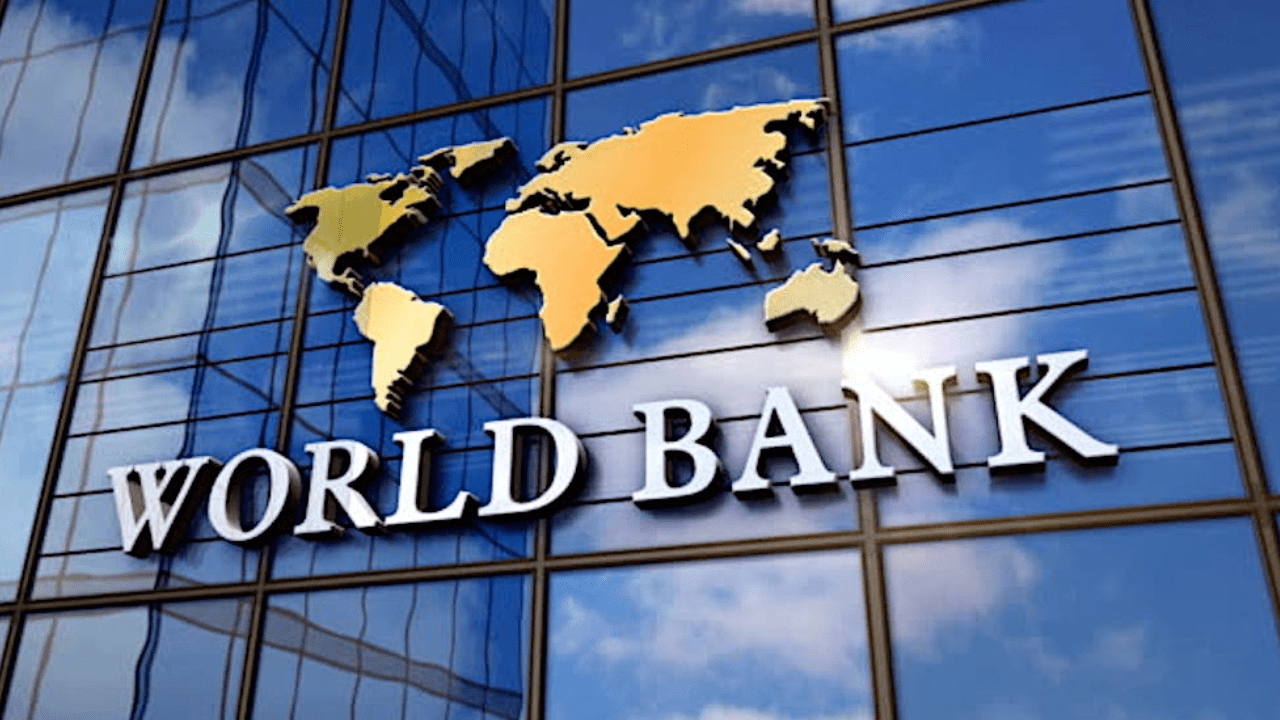
In a bid to secure a hefty $750m loan from the World Bank, Nigeria’s Federal Government is contemplating reintroducing previously suspended telecom taxes and other fiscal measures.
The Stakeholder Engagement Plan for Nigeria – Accelerating Resource Mobilisation Reforms program, developed in collaboration with the World Bank, sheds light on this potential move.
Join our WhatsApp ChannelThe plan suggests that the government might reimpose excises on telecom services and an EMT levy on electronic money transfers through the Nigerian Banking System, among other taxes.
President Bola Tinubu’s suspension of the five percent excise duty on telecommunications and the Import Tax Adjustment levy on certain vehicles in July 2023 might be overturned to meet the requirements of the new loan.
Negotiations between the government and the World Bank are underway, hinting at the possibility of these taxes being reinstated to align with the program targets.
Initially requested in 2021, the loan process was halted without clear reasons. The overarching goal of the program is to bolster the government’s financial standing by improving its capacity to manage and mobilize domestic resources effectively. This involves enhancing tax and customs compliance and safeguarding oil revenues.
READ ALSO: Nigeria To Secure $2.2bn Loan From World Bank- Finance Minister Reveals
The planned tax reforms, under the ARMOR program, are expected to have significant implications across various economic sectors. This program, running from 2024 to 2028, aims to reform tax and excise regimes, enhance administrative capabilities in tax and customs, and ensure transparency in oil and gas revenue management.
The World Bank’s contribution of $750m constitutes a substantial portion of the program’s budget, with the government expected to contribute $1.17bn through annual budgetary allocations.
Stakeholders affected by these reforms include manufacturers of goods such as alcoholic beverages, tobacco products, sugar-sweetened beverages, telecom, and banking service providers, as well as the general tax-paying public, importers, and international traders.
The document emphasizes the importance of engaging vulnerable groups to prevent disproportionate effects. It outlines specific allocations for technical assistance, with $5m each designated for the Federal Inland Revenue Service and the Nigeria Customs Service to support their capacity in implementing these measures effectively.
In total, the government program, funded from various sources including the World Bank loan, aims to enhance revenue mobilization, strengthen tax policies, and improve fiscal management. As negotiations continue, the potential reintroduction of telecom taxes underscores the complexities of balancing economic development with fiscal responsibility.

Emmanuel Ochayi is a journalist. He is a graduate of the University of Lagos, School of first choice and the nations pride. Emmanuel is keen on exploring writing angles in different areas, including Business, climate change, politics, Education, and others.
- Emmanuel Ochayi
- Emmanuel Ochayi