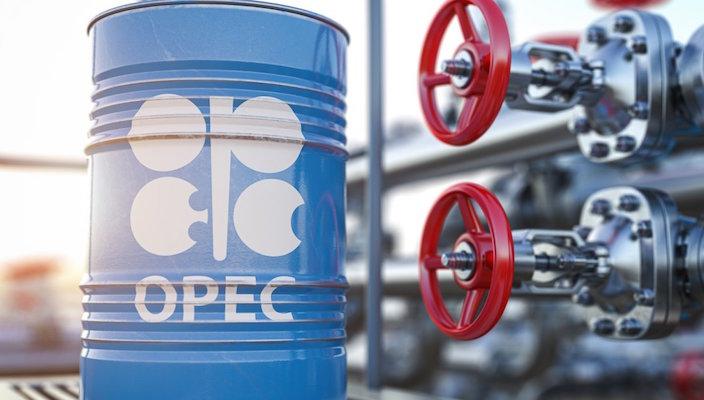
In a paradigm-shifting address at India Energy Week, OPEC’s Secretary General Haitham al-Ghais illuminated the pressing need for $14 trillion investment in the global oil market over the next two decades.
His remarks underscored the critical juncture at which the energy sector finds itself as it grapples with burgeoning demand and evolving dynamics.
“Oil demand will continue to rise, and there is a need to ensure that supply is maintained,” Al-Ghais asserted, emphasizing the imperative for sustained investment to meet the escalating energy needs of an increasingly interconnected world.
Echoing this sentiment, India’s Prime Minister Narendra Modi projected a doubling of his nation’s oil demand by 2045, highlighting India’s steadfast commitment to augmenting its energy infrastructure. “India is consistently growing its energy capacity,” Modi declared, outlining targets to bolster natural gas utilization and expand refining capabilities.
Al-Ghais also dispelled notions of a unilateral transition to renewable energy sources, affirming oil’s enduring significance in the global energy landscape. Despite concerted efforts to bolster renewable capacity, he cautioned against over-reliance on any single alternative, citing the multifaceted nature of energy demand growth.
“We need to invest in oil to ensure the security and reliability of the supply,” Al-Ghais said, articulating a pragmatic approach to energy transition that acknowledges the indispensable role of fossil fuels in meeting present and future energy needs.
His sentiments were echoed by energy ministers from oil-rich Guyana and gas-abundant Qatar, who emphasized the complementary nature of renewable and conventional energy sources.
While acknowledging the imperative of integrating renewables into the energy mix, they cautioned against premature phasing out of conventional fuels, citing the complex realities of global energy demand.
In essence, al-Ghais’ compelling discourse elucidated a nuanced perspective on the future of the oil market, highlighting the indispensable role of sustained investment in ensuring energy security and resilience amidst a rapidly evolving energy landscape. As nations navigate the complexities of energy transition, his insights serve as a beacon of pragmatism in charting a course towards a sustainable energy future.

Related Posts

Featured Stories

Google Expands AI Search in Nigeria with Yorùbá, Hausa Language Support
Technology giant Google has rolled out support for the Yorùbá and Hausa languages in its artificial intelligence-powered search features in Nigeria, a

Gunmen Attack Amaechi’s Convoy in Rivers
Former Nigerian transport minister Rotimi Amaechi on Friday called on security agencies to arrest those responsible for attacking his convoy and burning
Related Posts
Latest from Business
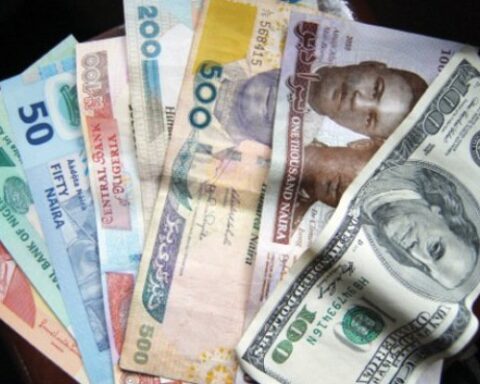
Dollar Trades At N1,417/$ In Black Market, N1,393/$ In Official Window
The black market traders recorded a N3.21 kobo decline in the foreign exchange (FX) rate for the United States dollar (USD), which slightly increased to N1,417.34 kobo per $1 on Friday, March 6. On Thursday, March 5, the foreign exchange was N1,414.13
Each Nigerian Paid Nearly ₦19,000 to Electricity DisCos in December 2025
On average, each electricity consumer in Nigeria contributed about ₦18,860 to distribution companies (DisCos) in December 2025, the Nigerian Electricity Regulatory Commission (NERC) reported Friday. DisCos billed ₦258.66 billion of the ₦309.65 billion worth of electricity supplied, achieving a billing efficiency of

Nigerian Stock Market Valuation Rises By N119bn
The Nigerian Exchange (NGX), also known as the stock market, recorded a N119.03 billion gain on Friday, March 6, after the market valuation of the bourse increased to N126.43 trillion, from the N126.31 trillion reported on Thursday, March 5. At the end

Manufacturers Call for Natural Gas Shift to Maximise Production
Manufacturers in southeast Nigeria have urged a shift from diesel to natural gas to lower soaring energy costs and boost industrial growth, warning that unreliable and expensive power supply threatens the survival of factories. Adaora Chukwudozie, chair of the South-East region of
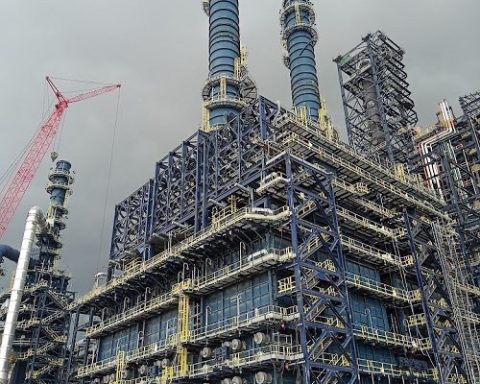
“Imported Petrol Cheaper Than Local Supply,” Marketers Challenge Dangote
Imported petrol is currently cheaper than fuel supplied by Nigeria’s Dangote refinery, according to data from the Major Energies Marketers Association of Nigeria (MEMAN), as rising global oil prices linked to tensions between the United States, Israel and Iran push up domestic