Investment In Nigerian Manufacturing Sector Drops By N368bn In 8 Years – Report

December 22, 2023
Foreign Investors Capitalize On Nigeria’s Manufacturing Potential - Expert

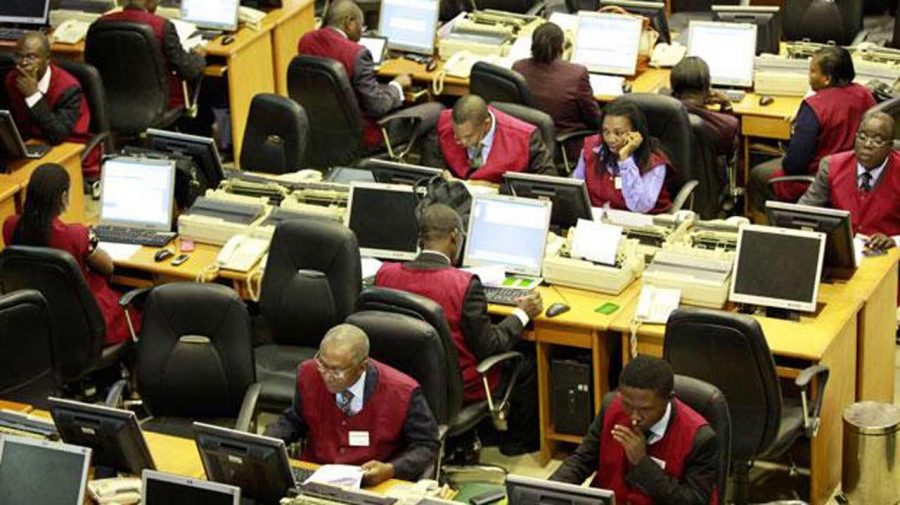
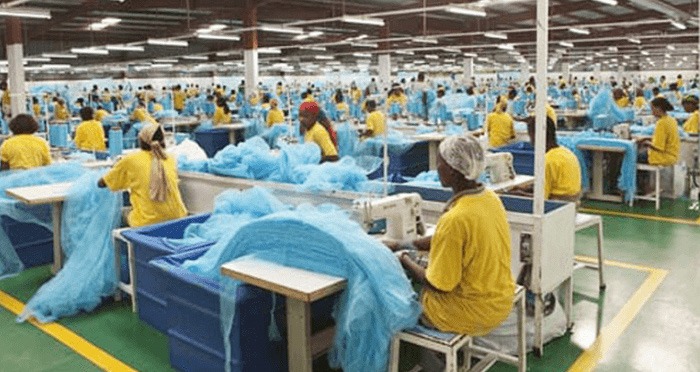
Economic reports from the Manufacturers Association of Nigeria (MAN) reveal a downturn in investments within Nigeria’s manufacturing sector, plummeting by N367.79 billion between 2014 and 2022.

Muda Yusuf, CEO of the Centre for the Promotion of Private Enterprise, highlighted persisting challenges as the key factor behind this decline. He emphasized the sector’s vulnerability to issues like high energy costs and heavy dependence on imports, especially for raw materials, severely impacting operational expenses.

Join our WhatsApp Channel

According to Yusuf, “The reasons for the decline are obvious. The challenges in manufacturing have been quite enormous over the last few years.”

READ ALSO: Manufacturing Sector Witnesses Soaring Capital Inflow In H1

The data collected from various reports underscores a bleak picture: in 2014, the sector witnessed an injection of N691.7 billion in investments.

However, this positive trend nosedived, with investments reaching a disheartening low of N118.5 billion in 2020 due to the disruptions caused by the COVID-19 pandemic. Despite a partial resurgence in the subsequent years, the cumulative drop in investment stands at a stark 53.3 percent.

Furthermore, MAN’s analysis pointed out that the high debt profile of the government discourages foreign investment, coupled with elevated borrowing costs, energy expenses, and reduced demand, all contributed significantly to this downturn.

The association also highlighted a positive uptick in the sector, with investments escalating to N305.02 billion and N323.98 billion in 2021 and 2022, respectively.

However, this increase is in reality, a nominal one caused primarily by the currency devaluation, reflecting a higher nominal value due to the devalued naira rather than an actual surge in physical investments.

Amidst concerns over potential job losses and looming factory shutdowns, Yusuf stressed the urgency of targeted policy interventions to reignite investor interest and reverse the alarming trend witnessed in Nigeria’s manufacturing landscape.

“The second major issue is the issue of forex. Most manufacturing firms are heavily import-dependent, especially for raw materials. With the current nature of the economy, any business that is import-dependent will be vulnerable.”

emmmmmm
+ posts

Emmanuel Ochayi is a journalist. He is a graduate of the University of Lagos, School of first choice and the nations pride. Emmanuel is keen on exploring writing angles in different areas, including Business, climate change, politics, Education, and others.

Emmanuel Ochayi

Emmanuel Ochayi is a journalist. He is a graduate of the University of Lagos, School of first choice and the nations pride. Emmanuel is keen on exploring writing angles in different areas, including Business, climate change, politics, Education, and others.


6 Factors Behind Poor Performance Of Nigeria’s Oil & Gas Stocks This Year
Previous Story

NGX: Market Hits 74,000 Mark As ASI Appreciates By 1.28%

Why Nigerian Airlines Have Been Unable To Compete With Foreign Operators - Keyamo  
Next Story

Airlines To Refund 25% To Passengers For Cancelled Flight – NCAA

Featured Stories

Latest from Business News

Ruto Signals Deeper AFC Role in Kenya’s Lamu Refinery Push

Written by Amanze Chinonye Kenya has increased its shareholding in the Africa Finance Corporation (AFC) by $25 million (3.25 billion shillings), President William Ruto said on Saturday during a visit to the pan-African lender’s headquarters in Lagos, as Nairobi seeks financing for major
Global Oil Prices Rise To $73.05/ Barrel As Market Prepares For 2024 Outlook

TOR Secures 950,000 Barrels of Sankofa Crude to Sustain Operations

Written by Amanze Chinonye Tema Oil Refinery (TOR) has secured 950,000 barrels of locally produced crude from Ghana’s Sankofa-Gye Nyame field, providing fresh feedstock as the refinery works to sustain operations and increase fuel production for the domestic market, Prime Business Africa reports.

Gambia Orders Banks to Replace Non-Gambian Staff by Year-End

Written by Amanze Chinonye The Central Bank of The Gambia has directed commercial banks to phase out non-Gambian employees and replace them with suitably qualified Gambian nationals by Dec. 31, as the regulator tightens enforcement of rules governing expatriate employment in the banking

Dangote, Ethiopia and Djibouti Unveil $660m Fuel Pipeline Plan

Written by Amanze Chinonye Ethiopia, Djibouti and Nigerian industrialist Aliko Dangote plan to invest $660 million in a refined petroleum products pipeline connecting the two East African countries, seeking to lower fuel transportation costs and strengthen energy security. Join our WhatsApp Channel The

Lithium: Will Nigeria Repeat the Oil Curse?

Written by MARCEL MBAMALU There is a road out of Lafia where trucks leave every night loaded with stones that will power Tesla batteries in Berlin and solar storage in Beijing, but cannot power the village they left. That is the story of
6 Factors Behind Poor Performance Of Nigeria’s Oil & Gas Stocks This Year
Previous Story

NGX: Market Hits 74,000 Mark As ASI Appreciates By 1.28%

Why Nigerian Airlines Have Been Unable To Compete With Foreign Operators - Keyamo  
Next Story

Airlines To Refund 25% To Passengers For Cancelled Flight – NCAA

Don't Miss

Inside the World’s Largest Oil Refineries Driving Global Energy Supply

Oil refineries remain central to the global energy system, converting

Man City Back In Top Four, Compounds Leicester City’s Woes

Manchester City added to the pains of relegation hunted Leicester