

 Emmanuel Ochayi
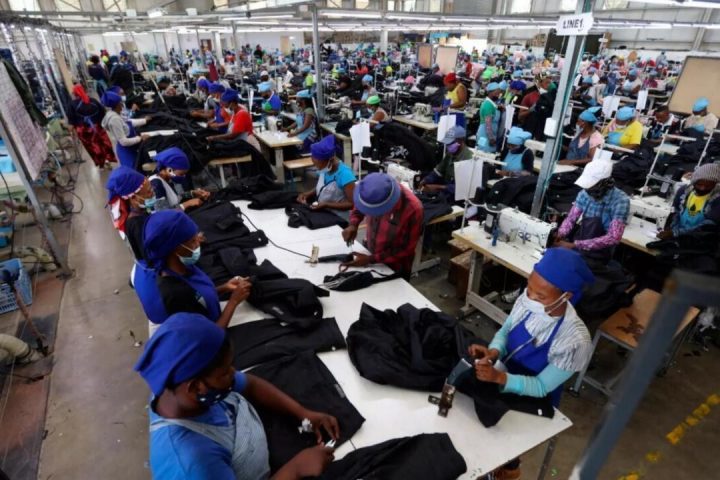
Women make up a large part of the population in many African countries. However, structural barriers often prevent them from fully participating in formal economic activities. Studies show that increasing women’s involvement in the economy leads to growth, reduces poverty, and improves living standards.
On International Women’s Day, it is important to highlight the African countries where women have access to the most economic opportunities. According to the Global Gender Gap Report by the World Economic Forum, Sub-Saharan Africa has made significant progress in closing gender gaps. Since 2006, the region has improved by 5.6 percentage points in gender equality.
Join our WhatsApp ChannelREAD ALSO: African Countries With Highest Women In National Parliaments
Economic Opportunities for Women in Africa
Women’s participation in the workforce is a key driver of economic development. In many African countries, gender-inclusive policies and financial inclusion have helped women access jobs, start businesses, and contribute to their communities.
According to the Global Gender Gap Report, 21 out of 35 African economies rank among the top 100 globally for gender equality in economic participation. The report highlights that Namibia is one of the top ten performers worldwide. Over half of the countries in the region have closed more than 70% of their gender gap in economic participation.
How Women’s Economic Inclusion Boosts Growth
Greater inclusion of women in Africa’s economy has a direct impact on GDP growth. Studies show that closing gender gaps in labour force participation can boost economic performance. Many African economies rely on agriculture and informal trading, sectors where women play a major role. Providing women with better access to education, finance, and technology can improve productivity and drive national growth.
Rwanda serves as an example of how gender inclusion benefits economic development. The country has made great strides in ensuring women take part in business and governance, which has strengthened its economy.
Financial Inclusion as a Game Changer
One of the biggest challenges for women in many African countries is financial exclusion. Many women lack access to bank accounts, mobile banking, and business loans. Expanding financial services for women can enable them to start and grow businesses, leading to financial independence.
Women also reinvest a large share of their earnings into their families and communities, improving access to education, healthcare, and better living standards. This has a long-term positive impact on the economy.
READ ALSO: African Countries With The Highest Debt-to-GDP Ratio
Top 10 African Countries With the Most Economic Opportunities for Women
According to the Global Gender Gap Report, the following African countries offer the highest economic opportunities for women:
- Liberia – Economic participation and opportunity index: 0.874 (Global rank: 1st)
- Botswana – 0.854 (Global rank: 2nd)
- Eswatini – 0.840 (Global rank: 4th)
- Togo – 0.796 (Global rank: 11th)
- Kenya – 0.789 (Global rank: 13th)
- Zimbabwe – 0.786 (Global rank: 14th)
- Burundi – 0.784 (Global rank: 15th)
- Namibia – 0.783 (Global rank: 17th)
- Madagascar – 0.759 (Global rank: 25th)
- Ghana – 0.750 (Global rank: 30th)
These countries have implemented policies that promote women’s participation in the workforce, leading to economic improvements.
The Path Forward
While many African countries have made progress in closing gender gaps, challenges remain. Governments and organisations need to continue expanding opportunities for women through:
- Better access to education and training
- Financial inclusion and business support
- Equal pay and employment opportunities
- Support for women entrepreneurs
By addressing these issues, African countries can further boost their economies and ensure that women play a greater role in shaping their nations’ future.

Emmanuel Ochayi is a journalist. He is a graduate of the University of Lagos, School of first choice and the nations pride. Emmanuel is keen on exploring writing angles in different areas, including Business, climate change, politics, Education, and others.


Follow Us