 Prosper Okoye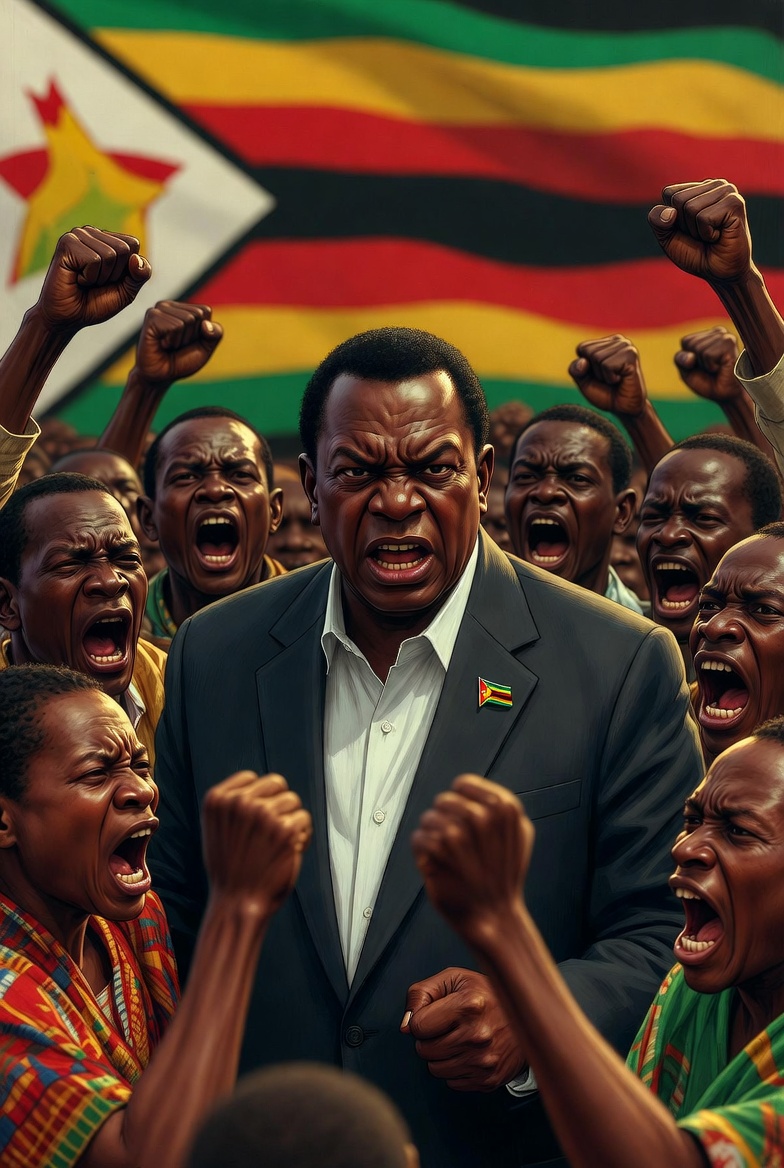
Zimbabwe has entered a tense new political phase after President Emmerson Mnangagwa’s cabinet approved draft constitutional changes that could allow him to remain in power beyond the limits set by the country’s 2013 constitution.
The proposals, now awaiting publication before being sent to parliament, have drawn swift criticism from opposition leaders, lawyers and civil society groups, who say the government is attempting to rewrite the rules in its own favour.
For a country still struggling with economic decline, disputed elections and political mistrust, the move has reopened old fears about the erosion of democratic safeguards.
Join our WhatsApp ChannelWhat the Government Wants to Change
At the centre of the dispute are amendments that would significantly alter Zimbabwe’s political system.
They include extending presidential terms from five years to seven. If applied to the current presidency, this could allow Mr Mnangagwa, now in his mid-80s, to stay in office until 2030 — two years beyond the current constitutional limit.
The proposals also seek to end direct presidential elections, replacing them with a system in which the president would be chosen by parliament. In addition, they would give the head of state greater powers to appoint senators, further strengthening executive influence over the legislature.
With Mr Mnangagwa’s ZANU-PF party holding a large majority in both houses of parliament, critics say the changes could pass even in the face of public opposition.
Why Critics Say Democracy is at Risk
Opposition figures and legal experts argue that the reforms strike at the heart of Zimbabwe’s constitutional order.
They say changing term limits in a way that benefits a sitting president violates the spirit — and possibly the wording — of the constitution. Tendai Biti, a senior opposition lawyer and former finance minister, has said the cabinet’s move is unlawful, insisting that any change to term limits requires a national referendum.
Constitutional scholar Lovemore Madhuku has warned that the proposal risks plunging the country into a prolonged political struggle, calling it “totally unacceptable”.
For many critics, the issue goes beyond Mr Mnangagwa himself. They argue that shifting presidential elections from voters to parliament would weaken public accountability and concentrate power within a small political elite.
Public Anger and Political Mobilisation
The cabinet’s decision has triggered a strong reaction across the country.
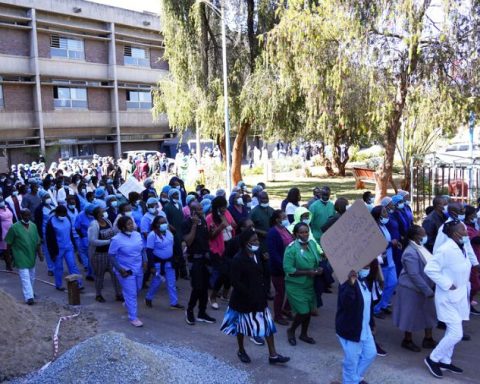
Opposition groups, including the Defend the Constitution Platform, have vowed to challenge the amendments in court and on the streets. Small protests have already taken place in several cities, though police have moved quickly to disperse demonstrators.
Online, many Zimbabweans have linked the proposed changes to wider frustrations over unemployment, rising prices and a sense that the political system offers little chance for renewal.
Surveys conducted last year showed strong public support for the current two-term limit, suggesting a growing gap between public opinion and the direction being pursued by the ruling party.
ALSO READ:
Zimbabwe Tops List of Africa’s Most Expensive Mobile Data as Nigeria Ranks Among Cheapest
Audit Uncovers $138,000 Diesel Theft At Zimbabwe’s Chitungwiza Municipality
Zimbabwe Bans Unlicensed Steel Imports To Boost Local Production
The Government’s Case
ZANU-PF has defended the proposals as a way to bring political stability and allow long-term development plans to take effect.
At a post-cabinet briefing, officials said longer terms and a stronger executive would reduce political uncertainty and help the government focus on economic recovery.
But for many Zimbabweans, such arguments are met with scepticism, given the country’s long history of broken promises, disputed elections and economic hardship.
Why This Moment Matters
Debate over Mr Mnangagwa’s future has been rumbling for months. But the political temperature rose sharply in early February, when the cabinet formally approved the draft amendments, turning speculation into a legislative process.
That decision has set the country on a potentially decisive path, with parliament now preparing to debate changes that could shape Zimbabwe’s politics for years to come.
The controversy has also drawn attention from abroad. Late last year, US lawmakers warned that extending Mr Mnangagwa’s term would undermine Zimbabwe’s fragile democratic institutions. Opposition groups are now seeking to brief regional and international partners in an effort to increase diplomatic pressure on Harare.
So far, major international organisations have not formally responded to the cabinet’s decision, but analysts say scrutiny is likely to intensify as the bill moves through parliament.
The draft amendments are expected to be published and then introduced in parliament, where ZANU-PF’s dominance gives the government a clear numerical advantage.
Opposition leaders insist that any attempt to extend the president’s tenure must be put to a national referendum — something they fear the government may seek to avoid.
For Zimbabwe, the stakes are high. The outcome will not only determine how long Emmerson Mnangagwa remains in office, but also whether the constitutional safeguards adopted after years of political turmoil still

Prosper Okoye is a Correspondent and Research Writer at Prime Business Africa, a Nigerian journalist with experience in development reporting, public affairs, and policy-focused storytelling across Africa