Fakoyejo Olalekan
The Central Bank of Nigeria (CBN) policies have been criticised by the World Bank, saying it worsens the business environment in the country. The global financial body hinted that the financial regulator needs to reduce its interventions.
In its monthly report on ‘Nigeria Development Update: The Continuing Urgency of Business Unusual‘ for the period of June 2022, the World Bank said trade restrictions, as well as public deficit financing by the CBN is damaging.
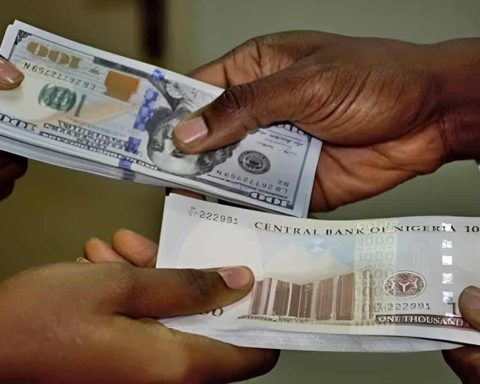
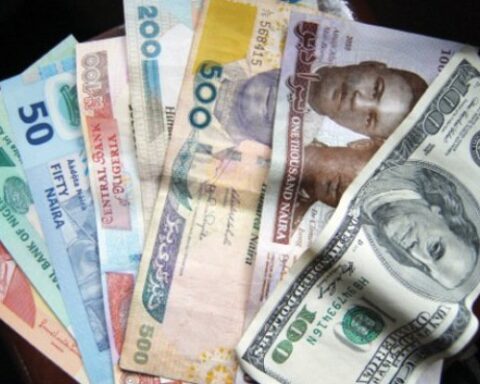
Join our WhatsApp ChannelWorld Bank also questioned the multiple exchange rates system of Nigeria, where the central bank-backed official forex market, Investors & Exporters window trades at N420.50 to one dollar, while the black market sells at a different price of N617/$1.
READ ALSO:World Bank Says 60% Of Low-Income Countries In Debt Distress
In recent years, the global financial body has been urging the Nigerian government to unify its multiple exchange rates. Last year, the CBN had consolidated the bank rate with the Investors & Exporters window rate, leaving out the black market.
According to the World Bank, Nigeria is sitting on a time bomb with petrol subsidy and low oil production caused by sabotage, and CBN’s continuous intervention will weaken revenue mobilization and foreign investment.
The institution said the impact will extend into human capital development, infrastructure investment, and governance, “Multiple exchange rates, trade restrictions, and financing of the public deficit by the Central Bank of Nigeria (CBN) continue to undermine the business environment.
“These policies augment long-standing weaknesses in revenue mobilization, foreign investment, human capital development, infrastructure investment, and governance.” the report reads.
It said Nigeria had an opportunity to remove the fuel subsidy during the COVID-19 pandemic lockdown, but failed to implement the removal, “Notably, during 2020 and 2021, when oil prices were much lower, the government lost an opportunity to address one of the primary sources of fiscal vulnerability by choosing to maintain the subsidy for premium motor spirit, more commonly known as petrol—a subsidy that is unique, opaque, costly, unsustainable, harmful, and unfair.”
Adding that, “Due to the petrol subsidy and low oil production, Nigeria faces a potential fiscal time bomb.”