 Emmanuel Ochayi
The debate over minimum wage in Nigeria has intensified, especially in the wake of the recent labour strike. Social media platforms are buzzing with discussions and misinformation, prompting caution and verification.
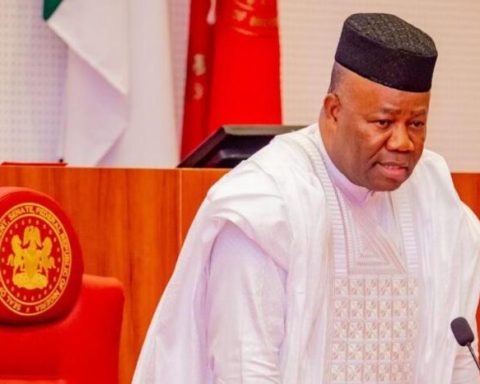
On Wednesday, the House of Representatives defended itself against exaggerated reports of legislators’ remuneration. House spokesman, Akin Rotimi, labeled the statistics as false but did not provide the correct figures.
Join our WhatsApp ChannelHe criticised labour leaders for spreading such misinformation and emphasised the House’s support for a balanced approach to wage increases.
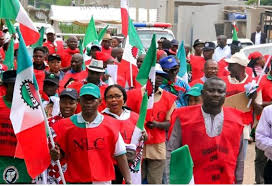
“The House of Representatives acknowledges the recent industrial action undertaken by the NLC and the TUC due to the breakdown in negotiations for a new national minimum wage. The People’s House is pleased to note that the strike action has been suspended for one week to allow further negotiation,” Rotimi said. He added, “During this period, as we have previously demonstrated, the People’s House remains responsive and committed to actively engaging all stakeholders to resolve the issues in the best interest of Nigerians.”
However, this raises a critical question: Is increasing the minimum wage the best solution for Nigeria’s economic challenges?
READ ALSO: Tinubu’s Govt Agrees To Pay Minimum Wage Of Over N60,000
The Case Against Minimum Wage Hikes
Proponents of minimum wage increases argue that it ensures a living wage for workers, helping them cope with the rising cost of living. House Speaker, Abbas Tajudeen, has consistently advocated for better working conditions and a living wage. “While the Green Chamber is in full support of the call for improved wages and working conditions, there is a great need to exercise caution in increasing the minimum wage beyond what our economy can sustain to avoid unintended outcomes such as inflation, layoffs, and other adverse economic consequences,” Tajudeen said.
This caution is not unfounded. The economic principle that increasing the minimum wage can lead to inflation and job losses is well-documented. When businesses face higher labour costs, they often pass these costs onto consumers through higher prices, leading to inflation. Alternatively, they might cut jobs to maintain profitability, which increases unemployment.
Balancing Act: The Need for Sustainable Wages
It is essential to find a balance between fair wages and economic sustainability. Nigeria’s economy is fragile, and a sudden increase in the minimum wage could exacerbate economic instability. Rotimi highlighted this by stating, “Thus, we restate the importance of approaching this issue from a balanced perspective to ensure long-term stability and prosperity for all.”
Moreover, the shutdown of critical infrastructure, such as the national grid during strikes, constitutes economic sabotage and harms the country’s well-being. “Those responsible for these actions must be held accountable,” Rotimi insisted. He also criticised labour leaders, suggesting that they live far above the means of the average Nigerian and their actions during the strike showed a lack of empathy for ordinary citizens.
The Role of Labour Leadership
The actions of labour leaders during the strike have been controversial. Rotimi questioned their motives, “Is the objective of the unions’ leadership to compel the government to implement a living wage or to inflict pain on Nigerians?” He accused labour leaders of spreading misinformation about lawmakers’ earnings, which has contributed to false narratives and public resentment.
Minister of State for Labour and Employment, Nkiruka Onyejeocha, also refuted claims that Nigerian legislators earn the highest salaries globally. She emphasised the need for honest and transparent dialogue rather than resorting to inaccuracies for political leverage.
Beyond Minimum Wage: The Call for a Living Wage
The debate has also shifted terminology, with experts now advocating for a “living wage” instead of just a minimum wage. This reflects a broader understanding of workers’ needs in the context of Nigeria’s economic conditions. Comparisons with minimum wages in other oil-producing countries have surfaced, adding another layer to the discussion.
A Controversial Necessity
Moreover, while the call for a higher minimum wage is understandable, it is crucial to approach this issue with caution. The potential negative impacts on inflation and employment cannot be ignored. As Rotimi aptly put it, “It is crucial for all parties to engage in an honest and transparent dialogue rather than resorting to the spread of inaccuracies for political leverage.”
The government, labour leaders, and other stakeholders must work together to find a sustainable solution that ensures fair wages without compromising the economy. The debate on minimum wage is not just about numbers; it’s about the future stability and prosperity of Nigeria.

Emmanuel Ochayi is a journalist. He is a graduate of the University of Lagos, School of first choice and the nations pride. Emmanuel is keen on exploring writing angles in different areas, including Business, climate change, politics, Education, and others.
- Emmanuel Ochayi
- Emmanuel Ochayi