OPINION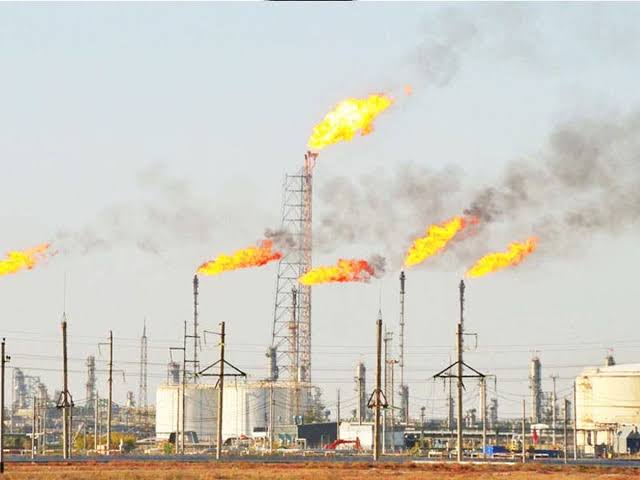
AS the world observes World Humanitarian Day on Thursday, 19 August, it is important to note that this day was adopted by the United Nations General Assembly in 2009 in memory of the 19 August 2003 bomb attack on the Canal Hotel in Baghdad, Iraq, which killed 22 people, including the chief humanitarian Officer in Iraq, Sergio Vieira de Mello.
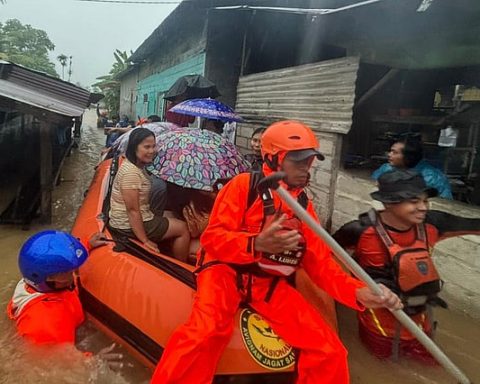
Each year, this day is observed in honour of all humanitarians going to extraordinary lengths to support various causes, and also to remember those who lost their lives working for humanitarian causes.
This year’s theme according to the UN is #TheHumanRace, which is based on global challenge for climate action in solidarity with the people who need it most.
Climate change has been a major issue of discussion among Western nations and especially when they meet either at the United Nations General Assembly, G20 or G8.
Nigeria is not excluded from the effects of climate change, as we have noticed: increased temperature, polluted rainwater, variable rainfall, rise in sea level and flooding, drought and desertification, low crop yield leading to food shortage.
Remember, in 2019, the National Emergency Management Agency revealed that floods had displaced approximately 1.9 million Nigerians and it is expected that more will be displaced this year.
These effects are caused by human activities; it is more like mankind is waging war against nature and nature is fighting back.
Some of those human activities include; emission of greenhouse gases from vehicles, burning of hydrocarbon products, mining, deforestation, over-exploitation of the soil, industrial emission, gas flaring, indiscriminate dumping of refuse etc.
Currently in many parts of the Niger Delta, the rainwater is no longer colourless and odourless but blackish, which is considered dangerous for domestic use. Do children still play under the rain? That is quite dangerous and unhealthy right now in that region.
Gas flaring introduces toxic pollutants such as sulfur dioxide into the atmosphere, which leads to environmental problems such as acid rain.
Also, gas flaring is a major source of greenhouse gases (GHG) contributing to global warming which accelerates the problem of climate change and harsh living conditions in the country.
To save the environment and humanity, the Nigerian government needs to stop postponing the doomsday and end gas flaring.
Earlier this year, Minister of state petroleum, Timipre Sylva said the federal government is now committed to eliminating gas flaring by 2025, after the government in 2016 extended the deadline to end gas flaring in 2020.
According to NOSDRA, a government-run satellite tracker, in 2020 alone natural gas valued at $1.24 billion was burned by oil companies, one which could generate the annual electricity use of Nigerians.
Renewable sources of energy such as; sunlight, wind, geothermal heat, biomass should be encouraged and embraced.
The country should carry out sustainable transportation methods that align with environmental requirements and reduce carbon footprint.
Industrial and household waste should not be dumped indiscriminately and also adopt production methods to our consumption patterns to help reduce waste.
The culture of recycling waste should be enforced and limitations must imposed on industry emissions and waste.
Oceans and seas are the largest storage of greenhouse gases and are an exceptional support system for life on this planet, and therefore, limiting overfishing, unsustainable development activities in coastal areas and the consumption of environmentally friendly products is now essential.
Before an infrastructural project is carried out, environmental impact assessment should be thoroughly conducted.
The Ministry of environment at various government levels should not exist on paper only but get to work effectively to salvage mankind from these dangers.
In this race against the climate crisis, Nigeria cannot allow herself to be left behind.
Enyene Vincent is a journalist and good governance advocate. You can reach him on Twitter: @iamenyene.