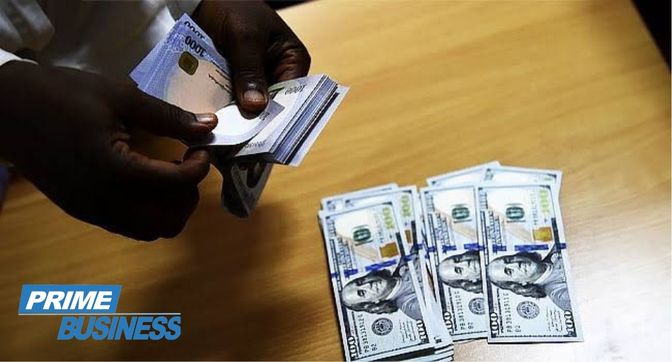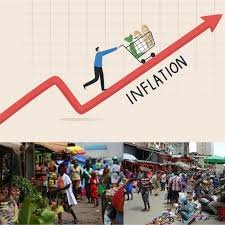
Nigeria’s inflation rate continues to defy expectations, with the rate for December 2024 reaching 34.80%. This slight increase of 0.20% from November’s rate of 34.60% has raised concerns among Nigerians, despite the hope for a reduction in inflation.
Inflation in Nigeria has been a major issue for years, affecting the cost of living and eroding purchasing power. The increase in December 2024 was partly driven by the heightened demand for goods and services during the festive season. This period traditionally sees higher prices, but the inflationary pressures have extended beyond the seasonal spike. This came after President Tinubu’s New year message of reduction of inflation to 15% in 2025. “We are resolute in our ambition to reduce inflation from its current high of 34.6% to 15%. With diligent work and God’s help, we will achieve this goal and provide relief to all our people.” Tinubu said.
Join our WhatsApp ChannelWhat’s most striking about this rise is that it is not just a seasonal issue. The year-on-year comparison shows a dramatic 5.87% increase from December 2023, when inflation stood at 28.92%. This shows a consistent and significant rise in the cost of living, making it harder for Nigerians to meet daily expenses. Despite efforts by the Central Bank of Nigeria and other government bodies to control inflation, the problem persists, affecting everyone from market vendors to middle-class families.
The Strain on Citizens: Rising Costs Amid Limited Relief
Citizens from various parts of Nigeria are struggling with the rising inflation. On Victoria Island, a bustling commercial district, residents are feeling the pinch.
“Everything is just getting more expensive. Even things that were considered affordable last year have doubled in price,” says Tunde, a local resident. “We expected inflation to ease after the holidays, but it looks like it’s just getting worse.”
Meanwhile, in Oshodi, Lagos, a market trader named Ireti Adams shared similar frustrations. “Inflation has affected my business. I sell rice and other food items, and the prices keep going up. It’s hard to keep up with the suppliers, and I’m forced to raise my prices, which only drives customers away. It’s a vicious cycle.”
Experts Weigh In: The Structural Causes Behind Rising Inflation
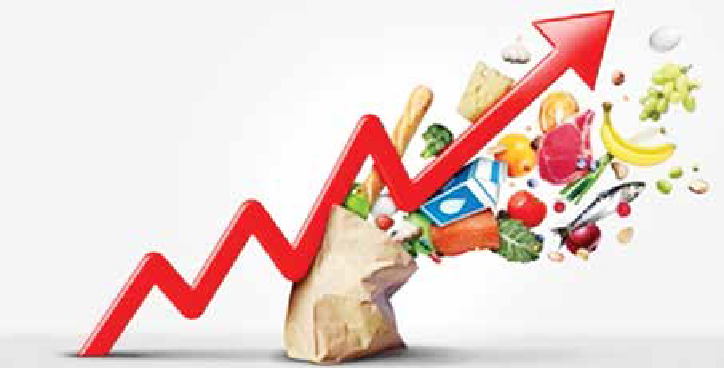
Economists and experts point to structural issues within the Nigerian economy as a key reason for the persistent inflation. Dr. Femi Oladele, an economist, explains, “The inflation rate in Nigeria is driven by several factors. There is the issue of supply chain disruptions, foreign exchange challenges, and increasing demand for imported goods. The combination of these forces has put a strain on the Nigerian market.”
Another expert, Dr. Ngozi Okechukwu, suggests that the inflation rate is also being exacerbated by fiscal policies that are not addressing the root causes. “Government spending has been high, but without significant improvements in domestic production, it only leads to higher prices. What Nigeria needs is a boost in local manufacturing and agricultural productivity to reduce dependency on imports.”
READ ALSO: Nigerians React To Economic Pain As Inflation Rate Hits 34.80%
Professor Abiola Adebayo, an expert in economic development, adds, “The increase in fuel prices, combined with the devaluation of the naira, is creating a situation where both consumers and producers are feeling the impact. This inflation is not just an economic concern but a political one as well, as it affects the overall stability of the country.”
How Does Inflation Affect Nigerians?
Inflation affects Nigerians in different ways, especially considering the country’s reliance on imports for many essential goods. From food to electronics, inflation in the foreign exchange market directly impacts the cost of importing these products.
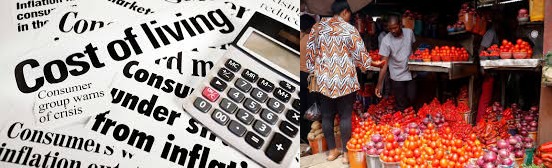
As the prices of everyday goods rise, ordinary Nigerians are forced to spend more on the same items. This is especially challenging for those in lower-income brackets. “I spend almost all of my income on food and transportation now,” says Sarah, a civil servant who also resides in Victoria Island Lagos. “There’s nothing left to save, and it feels like there’s no end to the rise in prices.”
Inflation Trends: What Can Be Done?
The issue of inflation is not unique to Nigeria; many countries around the world are also battling rising prices. However, the Nigerian situation is particularly challenging due to a combination of internal and external factors. The Central Bank of Nigeria has attempted to tackle the problem by adjusting interest rates, but these measures have not yet yielded significant results.
The real question is whether Nigeria’s inflation rate will continue to rise or if effective measures can be put in place to reverse the trend. Dr. Oladele notes, “The key to addressing inflation in Nigeria lies in improving domestic production, particularly in agriculture and manufacturing. This will help to reduce the country’s reliance on imports, stabilise prices, and increase supply.”
Additionally, improving infrastructure and enhancing the business environment for local producers could provide the needed relief. “Inflation is a symptom of deeper structural problems in the Nigerian economy,” concludes Dr. Okechukwu. “Until these issues are addressed, inflation will continue to pose a major challenge.”
What Does the Future Hold?
Despite the ongoing inflation, there are signs that Nigeria’s inflation rate may eventually stabilise. However, many Nigerians remain skeptical. As Mrs Adams in Oshodi said, “We’re always hearing that inflation will come down, but we haven’t seen it yet. All we want is for things to get cheaper, but it just keeps going up.”
For now, Nigerians are left to navigate an uncertain economic environment. While experts remain hopeful that inflation can be controlled, the road ahead seems long and difficult.
Inflation’s Unyielding Grip on Nigeria
As inflation in Nigeria persists, it becomes clear that the country is facing a difficult challenge. While experts suggest ways to tackle the problem, the reality for many Nigerians is that inflation is something they have to deal with on a daily basis.
Only time will tell if the country’s economic policies will be enough to bring inflation under control and ease the strain on its citizens.

Emmanuel Ochayi is a journalist. He is a graduate of the University of Lagos, School of first choice and the nations pride. Emmanuel is keen on exploring writing angles in different areas, including Business, climate change, politics, Education, and others.