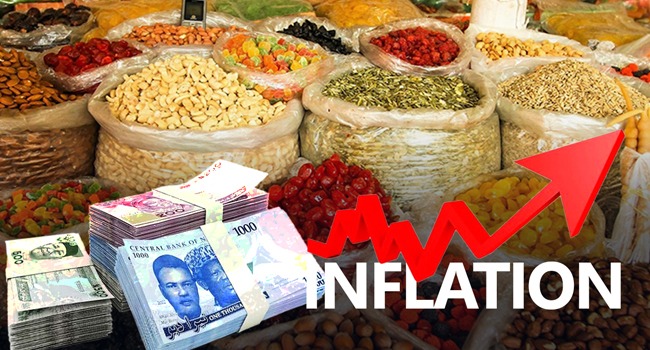
Inflation in Nigeria: An Alarming Trend
Inflation in Nigeria has reached a staggering 33.88% in October, rising from 32.7% the previous month. This sharp increase, driven by factors like currency depreciation, escalating food prices, and fuel costs, has left Nigerians grappling with higher living costs. Experts warn the situation may persist unless structural economic reforms are implemented.
“We are witnessing an unprecedented erosion of purchasing power,” says Chika Onuorah, an economist. “Inflation has become a heavy burden on both businesses and households, especially low-income earners.”
Join our WhatsApp ChannelKey Drivers of Rising Inflation
Currency Depreciation
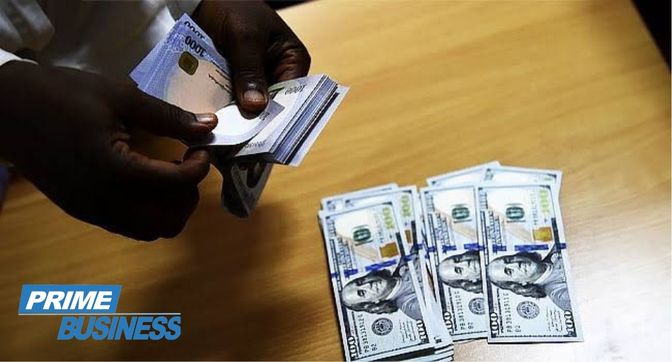
The naira has depreciated by 45% this year, ranking it as one of the world’s worst-performing currencies. This decline has drastically increased the cost of imports, causing prices of goods to soar.
“I used to buy a bag of rice for ₦40,000, but now it’s over ₦80,000,” says Fatima Yusuf, a trader in Lagos. “We can’t sell at the old price because we’re buying at a much higher cost.”
Food Price Hikes
Food inflation has surged to 39.2% in October, up from 37.8% in September. Staple items like corn and rice have become more expensive due to supply chain disruptions and higher import costs.
Joseph Adewale, a civil servant in Lagos, points out, “Poor infrastructure is making it hard for us to transport our produce. Fuel prices are high, and bad roads mean more goods spoil before reaching the market.”
READ ALSO: How Inflation is Impacting Nigerian SMEs
Fuel and Transportation Costs
The removal of fuel subsidies earlier this year has led to higher gasoline prices, significantly increasing transportation costs. These costs are passed on to consumers, making essential goods more expensive.
“Before subsidy removal, I spent ₦3,000 daily on transport; now it’s ₦6,500,” laments Mary Okeke, a Cybersecurity expert. “My salary hasn’t increased, but my expenses have doubled.”
Expert Perspectives on the Inflation Crisis
Central Bank Policies
The Central Bank of Nigeria (CBN) has raised interest rates 13 times since May 2022, bringing the policy rate to 27.25%. However, inflation continues to outpace these efforts.
Dr. Adeola Olayemi, a financial analyst, explains, “The current rate hikes aim to attract investment and stabilize prices, but structural inefficiencies in the economy undermine these efforts.”
Global and Domestic Challenges
Geopolitical tensions and volatile oil prices have worsened Nigeria’s inflation. Being a major importer of refined petroleum, the country bears the brunt of high global energy costs.
Dr. Musa Garba, an energy economist, highlights, “Ending fuel subsidies was necessary for fiscal health, but it came with short-term inflationary pains. A comprehensive energy reform is crucial.”
Voices from the Streets
The impact of inflation is not just an economic issue—it is deeply personal for many Nigerians. Adebayo Aina, a mechanic in Isolo, shares, “I can barely afford to buy tools or feed my family. The prices of everything keep going up.”
Also, Ngozi Chukwu, a schoolteacher, adds, “Our salaries are stagnant. It’s hard to make ends meet when food and transportation costs are so high.”
Economic Implications and Potential Relief
Rising inflation has put Nigeria’s economic growth under pressure. The economy is projected to expand by only 0.5% this year. High inflation erodes consumer spending, a key driver of economic activity.
While inflation may moderate in 2024, structural challenges like weak infrastructure and policy uncertainties pose significant risks.
“There’s no quick fix,” says Dr. Olayemi. “But targeted social interventions and long-term economic planning can alleviate the pain.”
Proposed Solutions
To address inflation, experts recommend:
- Strengthening the naira through diversified export strategies.
- Addressing supply chain inefficiencies in agriculture.
- Implementing social safety nets for vulnerable populations.
- Reforming energy policies to balance fiscal health and affordability.
The road ahead is challenging, but as Ngozi Chukwu puts it, “We need policies that prioritise people. Only then can we rebuild trust and hope.”

Emmanuel Ochayi is a journalist. He is a graduate of the University of Lagos, School of first choice and the nations pride. Emmanuel is keen on exploring writing angles in different areas, including Business, climate change, politics, Education, and others.