Why CBN Banned Use Of Foreign Currency Collaterals For Naira Loans

April 9, 2024
Energy, Exchange Rate, Transportation Top Three Drivers Of Inflation In Nigeria - CBN Survey

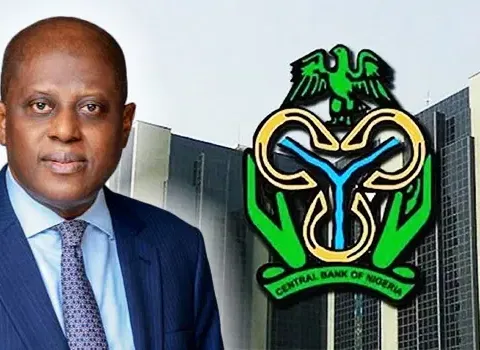
The Central Bank of Nigeria (CBN) has tightened regulations surrounding loan collaterals, specifically targeting the use of foreign currencies.

This directive, issued through a circular dated April 8, 2024, carries implications for borrowers and lenders across the country.

Join our WhatsApp Channel

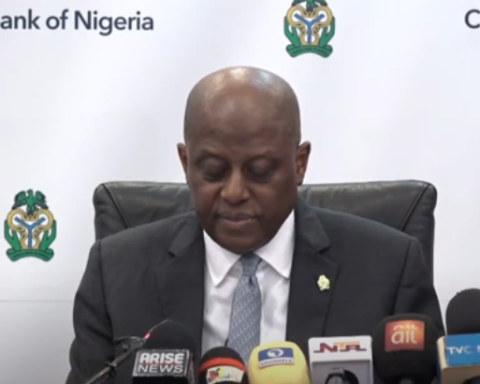
Acting Director of Banking Supervision, Adetona Adedeji, emphasized the need for adherence to the new policy. “The Central Bank of Nigeria has observed the prevailing situation where customers use Foreign Currency (FCY) as collaterals for Naira loans,” Adedeji stated in the circular.

He continued, “Consequently, the current practice of using foreign currency-denominated collaterals for Naira loans is hereby prohibited, except where the foreign currency collateral is Eurobonds issued by the Federal Government of Nigeria or guarantees of foreign banks, including Standby Letters of Credit.”

READ ALSO: CBN Releases Another Round Of $10,000 FX To Each BDC, Mandates Them To Sell At N1,117/$1

This directive signifies a shift in the banking landscape, with the CBN aiming to streamline collateral practices and possibly mitigate certain risks associated with foreign currency exposure. While the circular allows for some exceptions, it notably tightens the leash on the usage of foreign currencies as loan security.

In response to inquiries about the rationale behind the decision, Adedeji clarified, “The intention behind this directive is to reinforce the stability of the Naira and ensure the integrity of the Nigerian financial system.”

Furthermore, the CBN has set a timeline for compliance, stating, “All loans currently secured with dollar-denominated collaterals other than as mentioned above should be wound down within 90 days.” Failure to comply with this timeline will result in increased risk-weighting for Capital Adequacy Ratio (CAR) computation, alongside other regulatory sanctions.

The Capital Adequacy Ratio (CAR) is a crucial metric used to assess a bank’s financial health by measuring its capital against its risk-weighted assets. By imposing a higher risk weight on loans backed by foreign currency collaterals outside the specified exceptions, the CBN aims to ensure that banks maintain sufficient capital reserves to cover potential losses.

This move by the CBN underscores its commitment to maintaining stability within the Nigerian financial sector while aligning with broader economic objectives. As banks and borrowers navigate these regulatory changes, compliance and adaptability will be key to mitigating any potential disruptions in the lending landscape.

emmmmmm
+ posts

Emmanuel Ochayi is a journalist. He is a graduate of the University of Lagos, School of first choice and the nations pride. Emmanuel is keen on exploring writing angles in different areas, including Business, climate change, politics, Education, and others.

Emmanuel Ochayi

Emmanuel Ochayi is a journalist. He is a graduate of the University of Lagos, School of first choice and the nations pride. Emmanuel is keen on exploring writing angles in different areas, including Business, climate change, politics, Education, and others.
EFCC Recovers N30 Billion, Investigates 50 Bank Accounts In Betta Edu Probe
Previous Story

EFCC Recovers N30 Billion, Investigates 50 Bank Accounts In Betta Edu Probe

NGX stock market. Photo credit: TheCable
Next Story

NGX Investors Witness N220bn Loss Amidst Market Volatility

Featured Stories

Latest from Business

Nigeria Customs to step up intelligence-led checks

By Prosper Okoye Nigeria’s customs authorities say they are strengthening intelligence-led operations in a move they say could curb smuggling, improve border security and protect government revenue. The Comptroller-General of Customs, Adewale Adeniyi, told officers of the Customs Intelligence Unit in Abuja

Over N409.66bn Gained As NGX Investors Trade 1.44bn Shares 

The Nigerian Exchange (NGX), also known as the stock market, continued its upward movement on Wednesday, January 7, with a N409.66 billion gain. According to data provided by the NGX, the market capitalisation surged to N102.68 trillion, from N102.27 trillion reached on
Naira Vs Dollar: What To Expect This Week (2nd - 6th June 2025) 

Dollar Rate Rises To N1,421/$1 In Official Window

In the Nigerian foreign exchange market (NFEM), also known as the official window, the naira depreciated by 0.35 percent as the dollar rate increased to N1,421/$1 on Wednesday, January 7. The foreign exchange rate for the United States currency had increased by
Linkage Assurance's Revenue Rises To N19.29bn, Profit Drops By 23%

Linkage Assurance’s Revenue Rises To N19.29bn, Profit Drops By 23%

Between January and September 2025, Linkage Assurance Plc recorded N19.29 billion in revenue, representing a 17.47 percent rise, compared to the N16.42 billion turnover generated in the same period in 2024. In the company’s unaudited financial statements for the period ended September

Nigerian Mobile Users May Pay More Under New NCC Roadmap

By Prosper Okoye Nigerian mobile phone users may face higher call and data costs following a new five-year plan released by the country’s telecoms regulator. Prime Business Africa gathered that the Nigerian Communications Commission (NCC) has published a Draft Spectrum Roadmap outlining
EFCC Recovers N30 Billion, Investigates 50 Bank Accounts In Betta Edu Probe
Previous Story

EFCC Recovers N30 Billion, Investigates 50 Bank Accounts In Betta Edu Probe

NGX stock market. Photo credit: TheCable
Next Story

NGX Investors Witness N220bn Loss Amidst Market Volatility

Don't Miss

Expert Highlights Impact Of U.S. Trade Tariff On Nigeria

Against concerns that Nigeria and other developing economies may be

NGX Group Addresses Criticism Of CEO, Oscar Onyema, Management Decisions

The Nigerian Exchange Group (NGX Group) has reacted to criticism