 Elsie Udoh
Every February 14, the world turns red with love, and flowers, chocolates, heartfelt messages, and grand gestures fill the air.
But have you ever wondered how Valentine’s Day became the global celebration of love it is today? It’s easy to get lost in modern-day romance, but the origin of Valentine’s Day goes beyond candlelit dinners and handwritten love notes.
Join our WhatsApp ChannelValentine’s Day has evolved through centuries of history, tradition, and even a bit of mystery, from ancient Roman festivals to the story of a martyred saint. Let’s find out the history behind the romance and uncover how it became a universal symbol of love.
The Roman Roots of Valentine’s Day
Like many other modern holidays, Valentine’s Day connects deeply to ancient Roman traditions. One of the earliest links to this day of love is the festival of Lupercalia, a pagan fertility celebration held annually on February 15.
Lupercalia was anything but romantic by today’s standards. It involved animal sacrifices, rituals for fertility, and a peculiar matchmaking lottery where young men would draw the names of women, pairing them up for the duration of the festival, sometimes longer.
The festival was a wild mix of superstition and celebration, aimed at purging evil spirits and ensuring health and fertility.
However, as Christianity spread across the Roman Empire, such pagan customs became increasingly unpopular with the Church.
By the late 5th century, Pope Gelasius I banned Lupercalia and sought to replace it with a more Christian-friendly occasion. This is where Saint Valentine enters the picture.
Who Was Saint Valentine?
The identity of Saint Valentine is shrouded in mystery, primarily because there were multiple Valentines in early Christian history.
The name Valentinus was fairly common in ancient Rome, and records suggest that at least two or three saints named Valentine may have contributed to the holiday’s legacy.
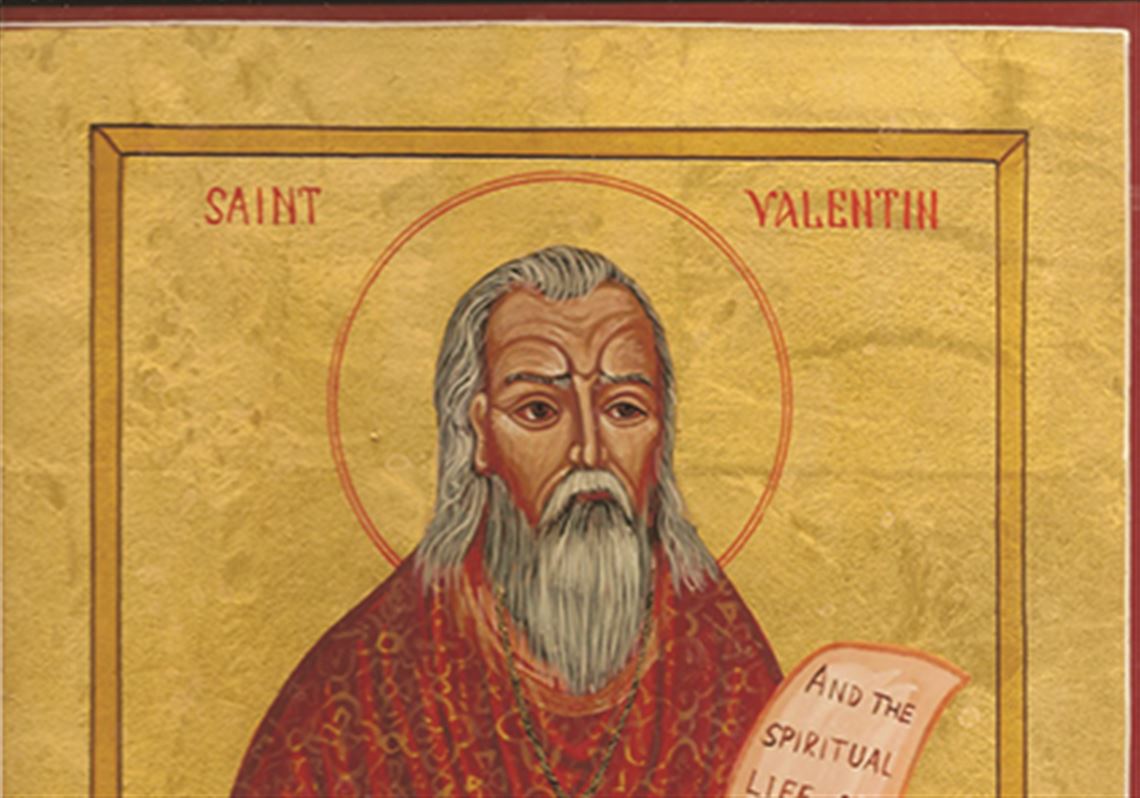
The most popular story revolves around Saint Valentine of Rome, a priest who lived during the reign of Emperor Claudius II in the 3rd century. According to legend, Claudius II believed that unmarried soldiers made better warriors, as they were not distracted by families. To strengthen his army, he banned young men from getting married.
Valentine, however, defied the emperor’s decree by secretly performing marriages for young couples. When his actions were discovered, he was arrested and ultimately sentenced to death. Some accounts suggest that while in prison, he healed the blind daughter of his jailer, and before his execution, he wrote her a note signed “From your Valentine”. This is a phrase that still echoes in love letters today.
Another possible Valentine was a bishop from Terni, who was also executed under Claudius II. Some historians speculate that these two Valentines were actually the same person, their stories blending over time into one powerful legend.
On February 14, around 269 AD, Saint Valentine was executed, and in later years, the Church honoured him as a martyr. Over time, his association with secret marriages and love transformed him into a romantic figure, eventually linking him to Valentine’s Day.
READ ALSO: Valentine’s Day Wishes, Quotes and Messages to Express Your Love
How Valentine’s Day Became a Celebration of Love
While Saint Valentine’s story set the foundation, it wasn’t until the Middle Ages that Valentine’s Day truly became associated with romantic love. This shift was largely thanks to Geoffrey Chaucer, the famous English poet.
In his 14th-century poem “Parliament of Fowls”, Chaucer wrote about birds choosing their mates on Saint Valentine’s Day. This idea of mid-February being a time for love took root, especially in mediaeval France and England, where people believed that birds began their mating season around this time.
By the 15th century, exchanging love notes on Valentine’s Day became a common practice among nobles and poets. One of the earliest known “Valentines” was a poem written by Charles, Duke of Orléans, in 1415 while he was imprisoned in the Tower of London.
His heartfelt note to his wife is one of the earliest recorded Valentine’s messages.
Over the next few centuries, the tradition of sending romantic messages on February 14 grew, spreading across Europe. By the 17th and 18th centuries, exchanging handwritten love notes and small gifts became popular, especially among the upper class.
The Rise of Valentine’s Day as a Commercial Holiday
With the advent of the printing press, Valentine’s Day cards became more widespread. By the early 19th century, printed cards with romantic verses replaced handwritten notes, making it easier for people to express their feelings.
Fast forward to the Victorian era, and the holiday had become a well-established tradition. The Industrial Revolution made cards more affordable, and Valentine’s Day started to resemble the celebration we know today, filled with sweet gestures and sentimental messages.
By the 20th century, businesses saw a golden opportunity. Companies like Cadbury and Hallmark capitalised on the growing holiday by selling chocolates, greeting cards, and romantic gifts.
Today, Valentine’s Day is a billion-dollar industry, with people across the globe spending money on flowers, jewellery, and extravagant surprises.
Modern-Day Valentine’s Day
Today, Valentine’s Day isn’t just for couples; it has evolved into a celebration of love in all its forms. From Galentine’s Day (celebrating female friendships) to people expressing love for family members, friends, and even pets, the holiday has expanded beyond its romantic roots.
Different cultures celebrate it in unique ways:
- In Japan, it’s customary for women to give chocolates to men on February 14, with men returning the favour on White Day (March 14).
- In South Korea, Valentine’s Day is just one part of a love-themed calendar, where every 14th of the month has a different romantic significance.
- In Denmark, people exchange pressed white flowers called “snowdrops” instead of roses.
- In Wales, lovers exchange intricately carved wooden spoons as tokens of affection.
Even though the holiday has become highly commercialised, many people still embrace the sentiment behind it—taking the time to appreciate their loved ones and share meaningful moments together.
Final Thoughts
Valentine’s Day has come a long way and has turned into a worldwide celebration of love.
Whether you’re celebrating with a partner, showing appreciation for friends, or simply indulging in self-love, the spirit of Valentine’s Day is about connection, care, and kindness.

Elsie Udoh is an SEO content writer who specialises in writing engaging stories that resonates with diverse audiences. She studied mass communication at the Lagos State University.