Amanze Chinonye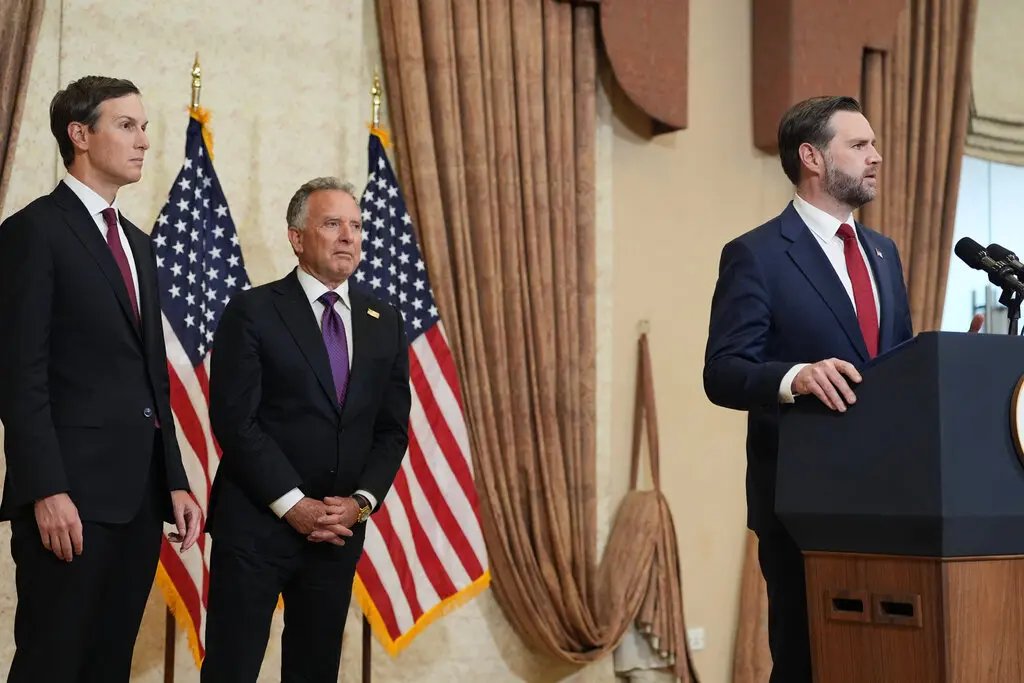
High-stakes negotiations between Iran and the United States ended without a breakthrough in Islamabad after nearly 21 hours of talks, as both sides failed to bridge deep divisions over Tehran’s nuclear programme and the strategic Strait of Hormuz.
The discussions, described as one of the most significant direct engagements between the two countries in recent years, were aimed at easing tensions and reaching terms that could stabilise the region, including reopening the vital oil transit corridor.
However, the talks broke down over key demands by Washington, particularly regarding Iran’s stockpile of enriched uranium and conditions tied to maritime access through the Strait of Hormuz.
Join our WhatsApp ChannelREAD ALSO :
Iran Signals Conditional Ceasefire, Confirms Temporary Reopening of Strait of Hormuz
Iranian officials, through state-linked media channels, blamed the failure on what they described as “excessive” and “unreasonable” demands by the United States. Tehran also accused Washington of attempting to secure at the negotiating table what it had failed to achieve through military pressure.
While both sides have yet to release detailed official transcripts of the talks, reports indicate that the U.S. position included curbs on Iran’s nuclear activities and proposals affecting security arrangements around the Strait of Hormuz a critical global shipping route through which a significant portion of the world’s oil supply passes.
READ MORE :
Iran, however, rejected the proposals, insisting on its sovereign rights and maintaining that its nuclear programme remains within its strategic interests.
The failure to reach an agreement leaves the status of the Strait of Hormuz unresolved, raising concerns over global energy security and the potential for renewed escalation in the region.
Diplomatic observers say the outcome underscores the persistent mistrust between Tehran and Washington, with both sides maintaining hardline positions that continue to hinder meaningful compromise.
There was no immediate indication from either party on when, or whether, talks would resume.

Amanze Chinonye is a Staff Correspondent at Prime Business Africa, a rising star in the literary world, weaving captivating stories that transport readers to the vibrant landscapes of Nigeria and the rest of Africa. With a unique voice that blends with the newspaper's tradition and style, Chinonye's writing is a masterful exploration of the human condition, delving into themes of identity, culture, and social justice. Through her words, Chinonye paints vivid portraits of everyday African life, from the bustling markets of Nigeria's Lagos to the quiet villages of South Africa's countryside . With a keen eye for detail and a deep understanding of the complexities of Nigerian society, Chinonye's writing is both a testament to the country's rich cultural heritage and a powerful call to action for a brighter future. As a writer, Chinonye is a true storyteller, using her dexterity to educate, inspire, and uplift readers around the world.