 John Adoyi, PBA Journalism Mentee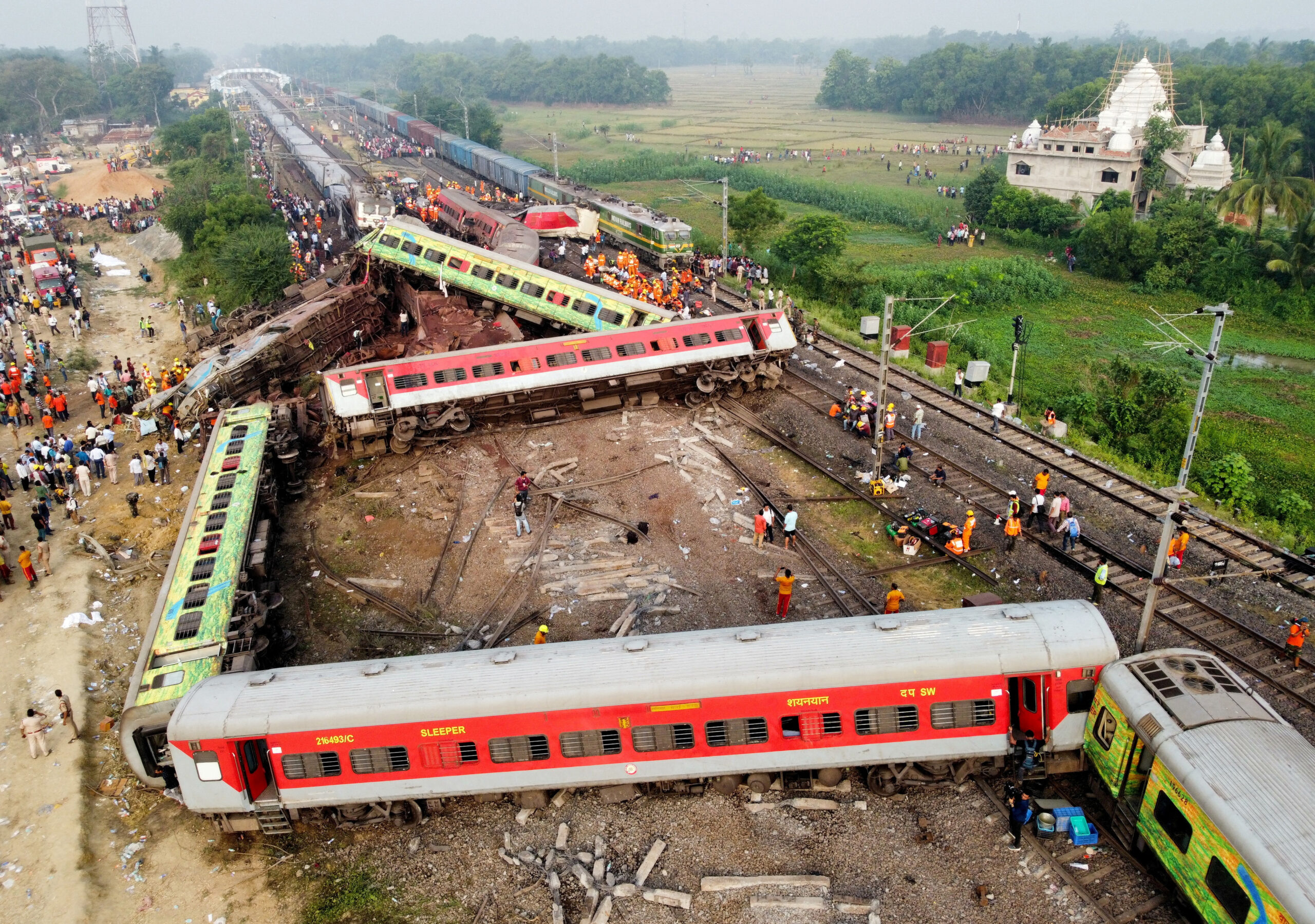
Authorities in the town of Odisha in India, on Friday, took down parts of the school that served as a makeshift mortuary for the victims of the train disaster that claimed over 200 lives on June 2.
According to the headmistress of Bahanaga high school, Pramila Swain, the decision to demolish some parts of the 65-year-old school was reached in a virtual meeting due to complaints from parents who said the memories from the crash “would haunt the young ones.”
Join our WhatsApp Channel“Senior students have been attending classes, but the junior students didn’t look forward to returning after their summer vacations,” she said.
India experienced the deadliest train disaster in the country’s history on June 2nd after three trains (the Shalimar – Chennai Coromandel Express, the Bengaluru–Howrah Express and a goods train) were involved in a collision that left more than 200 persons dead and more than one thousand injured.
Some families have been unable to identify their loved ones as many bodies were burnt beyond recognition while some bodies lacked faces and limbs.
Bahanaga high school which is close to the scene of the accident scene was used as a makeshift mortuary for 205 bodies before they were transferred to actual mortuaries.
Balasore District Magistrate, Dattatraya Bhausaheb Shinde told reporters that five to six classrooms where students had seen “blood stains on the benches of the dining room where they ate their lunch” would be demolished.
The district hopes to complete the reconstruction within three months.