 Emmanuel Ochayi
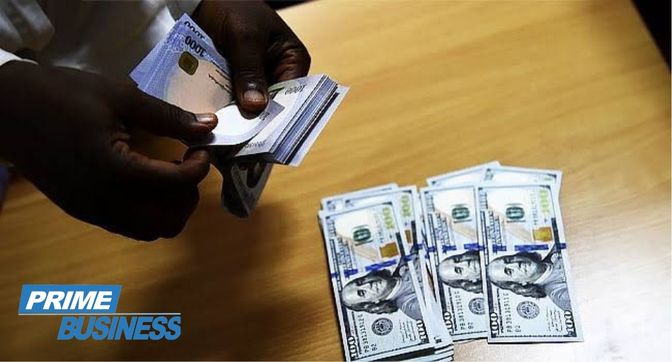
External reserves are critical to the financial health and stability of any country. These reserves, typically held in foreign currencies, enable countries to manage their monetary policies, stabilize their currencies, and support international trade. In Africa, various nations have amassed significant external reserves to cushion their economies against shocks and maintain financial credibility on the global stage.
In this article, we explore the top 15 African countries with the highest external reserves, highlighting the factors contributing to their reserve growth and the importance of these reserves in maintaining economic stability.
Join our WhatsApp ChannelThe Importance of External Reserves
External reserves are the assets held by a country’s central bank in foreign currencies, often in the form of foreign exchange, gold, and special drawing rights (SDRs) from international financial institutions. These reserves are essential for:
- Managing exchange rate fluctuations.
- Paying for imports, especially in times of trade imbalances.
- Stabilizing economies in periods of financial uncertainty.
- Ensuring international financial credibility.
“Africa’s external reserves are a reflection of how nations on the continent are preparing to handle external shocks and maintain stable economies,” said John Adams, an economist at Afrexim Bank.
READ ALSO: Top 15 African Countries With Strongest Currency Exchange Rate
1. Libya – $80.7 Billion
Libya, despite facing years of political instability, boasts the largest external reserves in Africa, with a staggering $80.7 billion. The country’s oil wealth has been pivotal in building these reserves. Libya’s Central Bank has frequently relied on these reserves to stabilize the economy, especially when global oil prices fluctuate.
2. Algeria – $70.3 Billion
Algeria comes in second with $70.3 billion in reserves. Like Libya, Algeria’s reserves are largely driven by its vast oil and natural gas exports. These reserves have provided Algeria with a buffer to manage its economy during oil price downturns.
3. South Africa – $57.6 Billion
South Africa, Africa’s most industrialized nation, holds $57.6 billion in external reserves. These reserves are vital for maintaining the stability of the South African rand and are invested mainly in gold and foreign currencies. “Our external reserves are an essential tool for economic stability,” said Mpho Maseko, a South African economist.
4. Morocco – $34.8 Billion
Morocco’s reserves stand at $34.8 billion, thanks to its diverse economy that includes agriculture, mining, and manufacturing. Morocco’s leadership in renewable energy has also strengthened its economic stability, allowing it to build substantial reserves.
5. Nigeria – $27.4 Billion
Nigeria, one of the largest oil producers in Africa, holds $27.4 billion in reserves. These reserves are crucial for stabilizing the Nigerian naira and funding imports. However, the country’s reliance on oil revenues has made it vulnerable to external shocks, as evidenced by fluctuations in global oil prices.
“Nigeria’s external reserves are essential for protecting the naira and maintaining financial stability,” stated Tunde Olayinka, a Nigerian financial expert.
6. Egypt – $25.5 Billion
Egypt’s external reserves are at $25.5 billion, with tourism and manufacturing playing critical roles in boosting the country’s foreign exchange holdings. The Egyptian government has also implemented policies aimed at attracting foreign investment, further enhancing its reserves.
7. Angola – $14.0 Billion
Angola, another major oil exporter, has $14.0 billion in external reserves. Angola’s reserves have helped the country navigate economic difficulties, especially during periods of low oil prices.
8. Tunisia – $8.8 Billion
Tunisia’s $8.8 billion reserves are a testament to its diversified economy, which includes agriculture, tourism, and manufacturing. Despite the political challenges since the Arab Spring, Tunisia has managed to maintain stable external reserves.
9. Kenya – $8.6 Billion
Kenya holds $8.6 billion in external reserves, supported by a robust tourism industry and agricultural exports. The country’s central bank has used these reserves to stabilize the Kenyan shilling, particularly in times of rising external debt.
10. Mauritius – $5.9 Billion
Mauritius, known for its stable economy, has $5.9 billion in reserves. The country’s prudent financial management has enabled it to maintain these reserves, ensuring investor confidence and economic stability.
11. Botswana – $4.8 Billion
Botswana’s external reserves stand at $4.8 billion, largely driven by its diamond exports. The country’s central bank has managed these reserves prudently, providing economic stability in times of uncertainty.
12. Ghana – $4.3 Billion
Ghana, a significant producer of gold and cocoa, holds $4.3 billion in reserves. These reserves are crucial for maintaining the stability of the Ghanaian cedi and supporting the country’s import bill.
13. Côte d’Ivoire – $3.8 Billion
Côte d’Ivoire’s external reserves amount to $3.8 billion, bolstered by exports of cocoa and coffee. The West African nation’s strong economic policies have enabled it to maintain stable reserves, contributing to financial stability.
14. Ethiopia – $3.5 Billion
Ethiopia holds $3.5 billion in external reserves. The country’s growing export sector, particularly in agriculture, has played a significant role in building these reserves. Ethiopia has also focused on attracting foreign direct investment to further boost its economic position.
15. Zambia – $3.1 Billion
Zambia, known for its copper exports, holds $3.1 billion in external reserves. These reserves are essential for stabilizing the Zambian kwacha and ensuring the country can meet its foreign obligations.
The Future of Africa’s External Reserves
Despite the economic challenges posed by global inflation, rising interest rates, and fluctuating commodity prices, Africa’s external reserves have remained resilient. Experts believe that several factors will continue to boost Africa’s external reserves, including increased foreign investment, improvements in export diversification, and growth in sectors such as tourism and manufacturing.
“Countries that diversify their economies and manage their reserves effectively will continue to enjoy financial stability and be better equipped to handle global economic shocks,” said Ayodele Adeoye, a financial analyst.
African countries with the highest external reserves demonstrate the importance of prudent economic management and the critical role of exports in building financial buffers.
As these nations continue to navigate global economic challenges, maintaining and growing their external reserves will be essential for ensuring long-term economic stability.

Emmanuel Ochayi is a journalist. He is a graduate of the University of Lagos, School of first choice and the nations pride. Emmanuel is keen on exploring writing angles in different areas, including Business, climate change, politics, Education, and others.
- Emmanuel Ochayihttps://www.primebusiness.africa/author/ochayi/
- Emmanuel Ochayihttps://www.primebusiness.africa/author/ochayi/
- Emmanuel Ochayihttps://www.primebusiness.africa/author/ochayi/
- Emmanuel Ochayihttps://www.primebusiness.africa/author/ochayi/