 Emmanuel Ochayi
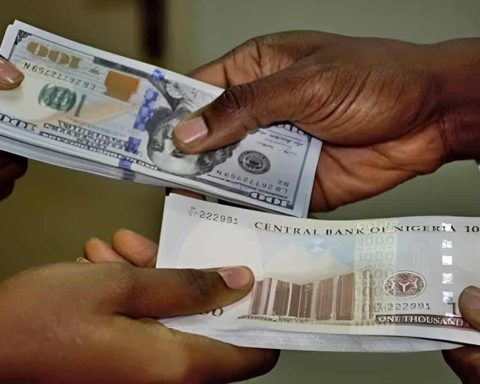
The Federal Government announced on Tuesday that it has reinstated its suspended social investment programme (Cash Transfer Scheme), aiming to provide direct cash payments to 75 million Nigerians in 50 million households.
This move is part of efforts to reduce the suffering of citizens, especially those in vulnerable groups, by tackling economic challenges and addressing fraud within the programme.
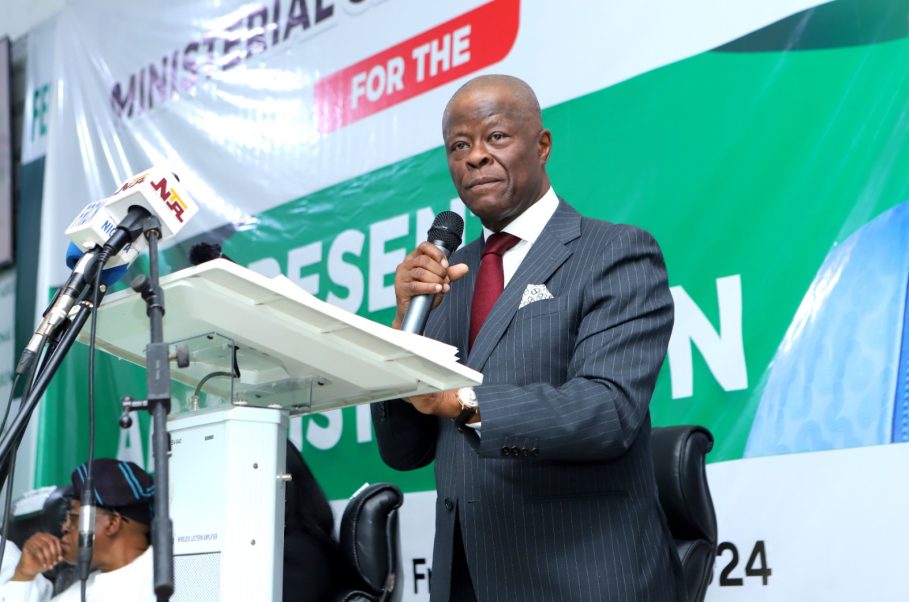
Join our WhatsApp ChannelThe Minister of Finance and the Coordinating Minister of the Economy, Wale Edun, revealed these details at a ministerial briefing marking the first year in office of President Bola Tinubu’s administration in Abuja.
Fraud Overhaul and Programme Suspension
The cash transfer programme was suspended on January 12 by President Tinubu, along with other initiatives managed by the National Social Investment Programme Agency (NSIPA).
This suspension followed allegations of mismanagement and fraud. The president also suspended Betta Edu, the Minister of Humanitarian Affairs and Poverty Alleviation, on January 8, whose ministry oversees the NSIPA.
During the suspension, the government’s social investment initiatives such as N-Power, the conditional cash transfer scheme, the government enterprise and empowerment programme, and the home-grown school feeding initiative were all put on hold.
Special Presidential Panel and Reforms
In response to these issues, President Tinubu approved the formation of a Special Presidential Panel, led by Edun, to conduct a thorough review and audit of the financial frameworks and policy guidelines of these social programmes.
READ ALSO: Federal Cash Transfer Scheme Fails To Reach 99.9% Of Targeted Vulnerable Households- World Bank
Edun shared, “Mr President is committed to counterbalancing the negative effects of economic reforms with interventions across the social spectrum. This includes the reintroduction of the social investment programme to provide direct payments to 75 million Nigerians in 50 million households.”
Macroeconomic Reforms and Food Security
The government’s decision to restart the social investment programme is part of a broader set of macroeconomic reforms initiated by President Tinubu. These reforms include subsidy adjustments and changes in the foreign exchange market, which have led to increased costs for individuals and businesses.
Addressing these challenges, Edun said, “The government has improved access to credit, with N1 billion allocated to consumer credit and grants of 50,000 Naira to 1 million nano industries.”
Edun also highlighted the critical role of agriculture in tackling global food insecurity, noting that 30 percent of the world is affected by food security issues. “Agriculture is crucial for reducing inflation and growing the economy. Efforts are being redoubled with N200 billion provided towards an agricultural intervention program,” he added.
Direct Payments and Anti-Corruption Measures
To ensure accountability and curb corruption, the government has started making direct payments to contractors, suppliers, and vendors. This approach aims to guarantee the prudent and accountable expenditure of the nation’s resources.
Edun explained, “A system of payment has been implemented to ensure that Nigeria’s money is spent wisely and accountably. The government has also played a role in helping states attract cheap funding and process projects at the community level.”
Economic Emergency Plan and Debt Management
Edun revealed that the government is set to roll out an Economic Emergency Plan in the next six months, aimed at stabilizing the economy and setting the country on a growth trajectory.
He stated, “The government is committed to paying its debts both domestically and internationally without strain. The revenue of the Federal Republic has been revamped and increased substantially due to the implementation of macroeconomic reforms and the restart of the social investment programme.”
Infrastructure and Investment
Highlighting the importance of infrastructure in economic growth, Edun said, “A fund has been set up to provide institutional long-term support for housing construction and low-interest mortgages for the average Nigerian. This will create jobs and reduce poverty.”
Edun also mentioned that new incentives in the oil and gas sector are expected to attract $7 billion worth of investments. “A stable, growing economy attracts investment, increases productivity, and creates jobs. This is the trajectory Nigeria is now on,” he emphasized.
In conclusion, the reinstatement of the cash transfer scheme and other social investment programmes reflects the government’s commitment to providing immediate relief to vulnerable citizens while implementing long-term economic reforms to foster stability and growth.