 Emmanuel Ochayi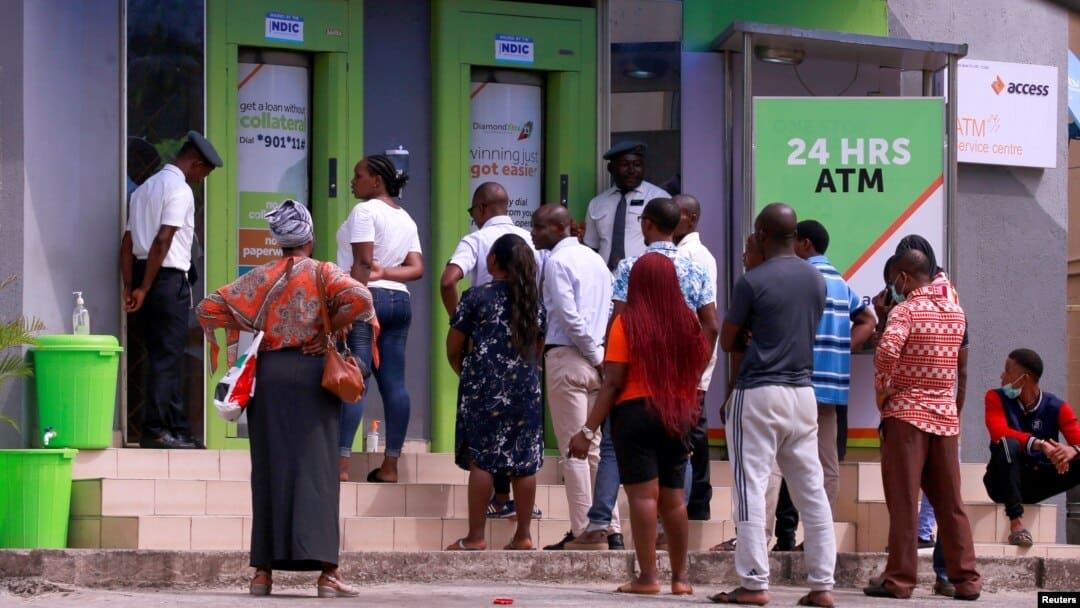
In recent years, Nigerian bank customers have become increasingly familiar with variety of charges associated with their accounts. From account maintenance fees, to SMS alerts charges, these costs have steadily added up, often without customers fully realising their impact. The latest development in this trend is the Central Bank of Nigeria’s (CBN) introduction of new Automated Teller Machine (ATM) withdrawal fees, effective from March 1, 2025.
Under this new directive, while withdrawals from one’s own bank’s ATMs remain free, using another bank’s ATM now incurs a charge of ₦100 per ₦20,000 withdrawal at on-site ATMs located within bank premises. For off-site ATMs, such as those in shopping malls or fuel stations, an additional surcharge of up to ₦500 per transaction is applied. This move has sparked discussions among Nigerians about the potential for more hidden banking fees in the future and the broader implications for financial inclusion in the country.
Join our WhatsApp ChannelREAD ALSO: SERAP Urges Tinubu To Suspend ATM Fee Increase Amid Legal Challenge
ATM Withdrawal Fees: A New Burden for Customers
The introduction of these ATM withdrawal fees has been met with concern by many Nigerians. For individuals like Daniel Ogwuche, a security worker in Lagos, these charges represent an additional strain on already tight finances. “This is another cost I must pay to use my money. The cost of data has gone up and other costs as well. Honestly, this is squeezing an already stressed pocket,” he lamented.
Similarly, social media enthusiast, Opel Nnenna, expressed her frustration, stating, “I’m deeply concerned about the increasing banking charges imposed on Nigerian citizens by the Central Bank of Nigeria and the government. It seems unfair that citizens are being charged multiple fees. The economic hardship is becoming unbearable for most Nigerians.”
Experts Weigh In on the Implications
Financial experts have also voiced their opinions on the potential consequences of these new ATM withdrawal fees. Dr. Adebayo Ogunleye, a financial analyst based in Abuja, commented, “The introduction of these fees could lead to a decrease in ATM usage, pushing customers towards alternative banking channels. However, for many Nigerians, especially those in rural areas, ATMs are the most accessible means of withdrawing cash. This move might inadvertently exclude a segment of the population from essential banking services.”
Echoing this sentiment, Professor Chika Umeh, an economist, noted, “While the CBN’s intention might be to encourage digital transactions and reduce cash dependency, the immediate effect is an increased financial burden on consumers. There’s a risk that banks may introduce more hidden charges in the future to maintain their profit margins, which could further erode trust in the banking system.”
A History of Rising Banking Fees
The concern over ATM withdrawal fees is part of a broader pattern of increasing banking charges in Nigeria. In 2019, the CBN reduced ATM withdrawal fees from ₦65 to ₦35 after the third withdrawal in a month.
However, the recent reversal to higher fees has raised eyebrows. Additionally, banks have been known to impose other charges, such as card maintenance fees and electronic transfer levies, which cumulatively impact customers’ account balances.
The Potential for More Hidden Fees
The introduction of ATM withdrawal fees has led to speculation about the possibility of more hidden banking fees in the future. Some customers fear that banks might exploit these charges to introduce additional fees without transparent communication. This concern is heightened by past instances where customers discovered deductions for services they were unaware of or did not explicitly request.
Impact on Financial Inclusion
Financial inclusion remains a significant goal for Nigeria, aiming to provide affordable and accessible financial services to all citizens. However, the rise in banking fees poses a threat to this objective. High charges can deter individuals, especially those from low-income backgrounds, from engaging with formal banking systems. This reluctance can lead to increased reliance on informal financial services, which may not offer the same security and benefits as formal institutions.
Voices from the Community
Beyond individual customers, organisations and advocacy groups have also expressed their concerns. The Trade Union Congress (TUC) and the Socio-Economic Rights and Accountability Project (SERAP) have called for a suspension of the new ATM withdrawal fees.
In a statement, the TUC urged all well-meaning Nigerians to reject what it described as an exploitative policy and demand its immediate reversal. SERAP has also called on President Bola Tinubu to direct the CBN to halt the charges, emphasising the need to uphold the rule of law and protect citizens from excessive financial burdens.
The Banks’ Perspective
From the banks’ viewpoint, the introduction of ATM withdrawal fees is seen as a necessary measure to cover operational costs and maintain service quality.
A bank official, Johnson Godswill, stated, “The fees are in line with the CBN’s directive and are essential to ensure the sustainability of ATM services. Maintaining and replenishing ATMs involves significant costs, and these charges help in offsetting those expenses.”
Looking Ahead: What Can Customers Do?
As banking fees continue to evolve, customers are encouraged to stay informed about the charges associated with their accounts. Utilising digital banking platforms, mobile apps, and point-of-sale (POS) systems can serve as alternatives to frequent ATM withdrawals, potentially reducing the impact of these fees.
Additionally, maintaining awareness of one’s bank’s fee structure and seeking clarification on any unfamiliar charges can empower customers to make informed financial decisions.

Emmanuel Ochayi is a journalist. He is a graduate of the University of Lagos, School of first choice and the nations pride. Emmanuel is keen on exploring writing angles in different areas, including Business, climate change, politics, Education, and others.