 Emmanuel Ochayi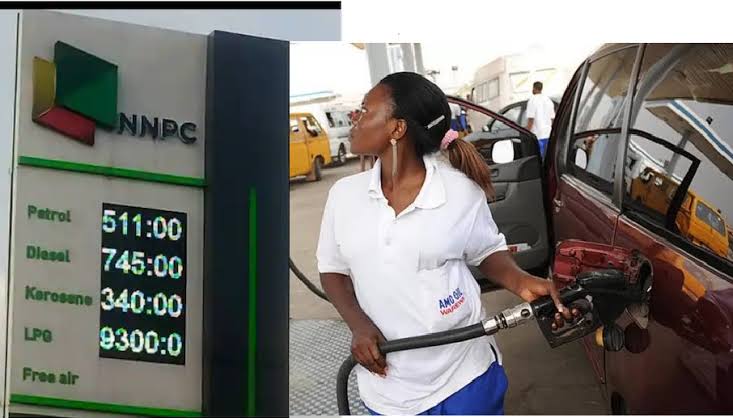
Understanding the Price Hike
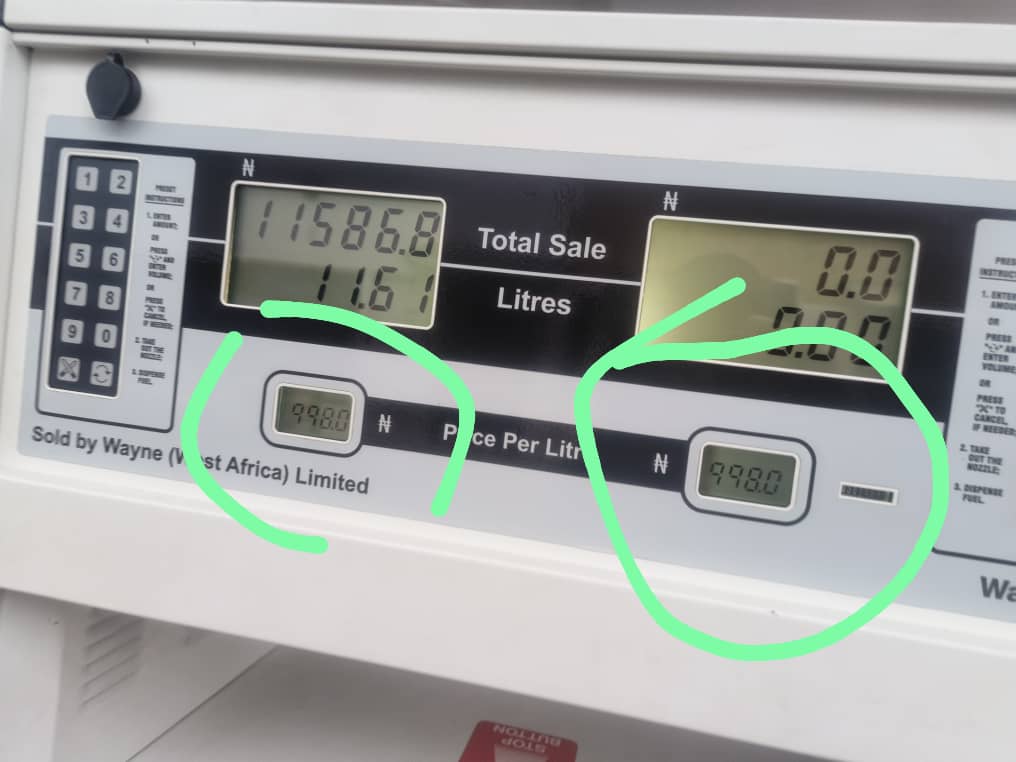
Petrol price hike in Nigeria has sparked widespread concern across the nation. Transportation costs are set to skyrocket as some stations of the Nigerian National Petroleum Company Limited (NNPCL) have raised the price of petrol to N1,000 and N1,030 per litre, up from N897 and N900. This is the second increase in just one month, a change that reflects a significant rise of 14.8% or N133.
The NNPCL’s move to increase fuel prices is not an isolated incident; it represents a trend that could have dire consequences for ordinary Nigerians. As one frustrated customer noted at a filling station, “I am very angry right now. I entered this station thinking their price would be better. It was only after I had wasted time on the queue that I was informed by the fuel attendant that the price had risen to N1,030.” This sentiment encapsulates the feelings of many Nigerians who are struggling to keep up with rising costs.
Join our WhatsApp ChannelThe Ripple Effect of Rising Fuel Price
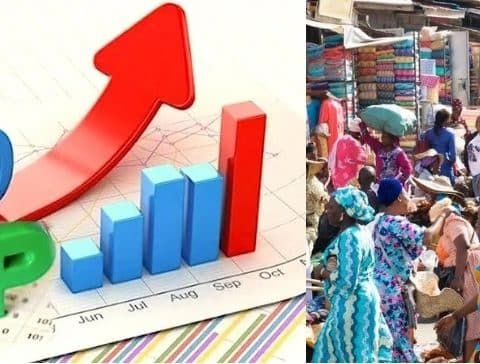
The hike in petrol price will likely lead to an increase in transportation costs nationwide. Since transportation is a critical component of almost every sector of the economy, any spike in its cost will have far-reaching implications. Goods and services will become more expensive as transporters increase their rates to cover the rising cost of fuel. This, in turn, affects the price of essential commodities, making life even more difficult for the average Nigerian family.
Experts warn that this increase in fuel prices could push many families into deeper poverty. With the current inflationary pressures in Nigeria, any additional burden on household budgets may force families to cut back on necessities such as food, healthcare, and education. One economist noted, “Fuel price hikes often lead to a domino effect in prices across the board. We must brace ourselves for significant increases in the cost of living.”
The Disparity in Fuel Prices
The situation is made more complicated by the disparity in fuel prices across different regions of Nigeria. For instance, while petrol is sold at N1,030 in Abuja, it is available at a lower price of N926 at independent marketers’ stations, albeit with long queues. In Lagos, the price at some stations is expected to rise to between N1,200 and N1,300 in remote areas in coming days. Such variations can create economic imbalances and lead to inequalities, as residents in rural areas often bear the brunt of the highest prices due to their isolation from major supply routes.
The Federal Government’s recent decision to allow independent marketers to access petrol from the Dangote Refinery could also have mixed results. While it might encourage competition and potentially stabilize prices, it could just as easily lead to higher prices as independent marketers seek to maximize their profits. The uncertainty surrounding this new arrangement leaves many Nigerians in a state of apprehension.
READ ALSO: SERAP Sues President Tinubu Over Petrol Price Hike, Seeks Reversal To N600 Per Litre
Speculations on Future Increases
The Nigerian government’s recent initiatives, particularly regarding crude oil sales in local currency, are further complicating the situation. Prime Business Africa previously reported that the government has been lobbying for an increase in the petrol price to N1,000. Such moves indicate a trend toward consistently higher prices, regardless of the actual landing cost or local refining expenses. If the government continues down this path, fuel prices may become prohibitively expensive for many citizens.
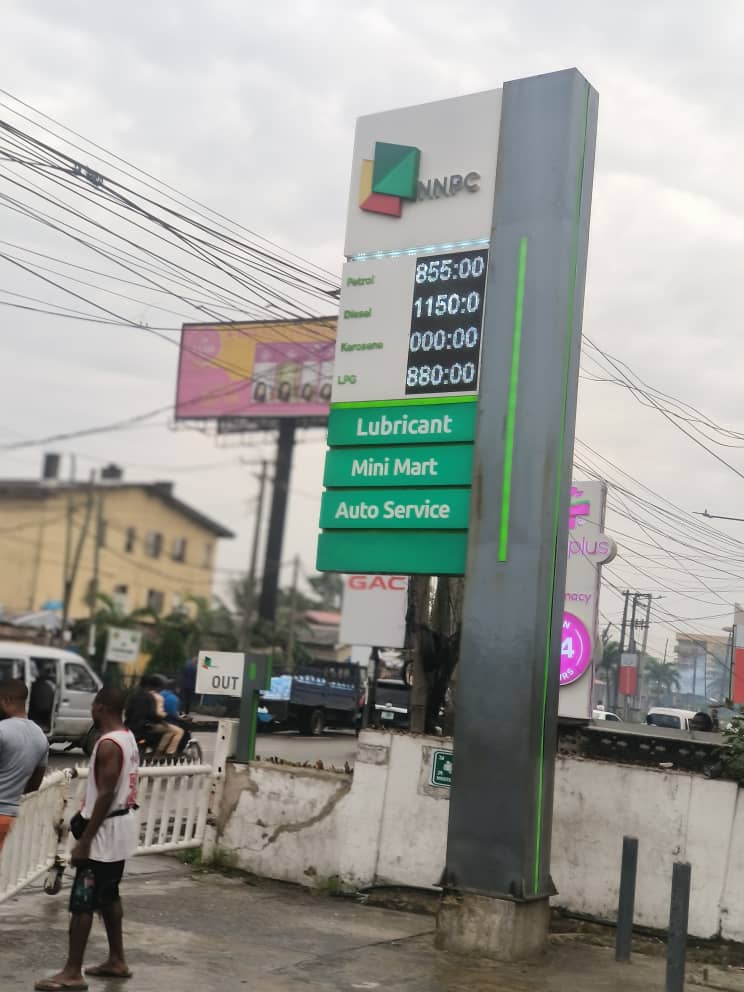
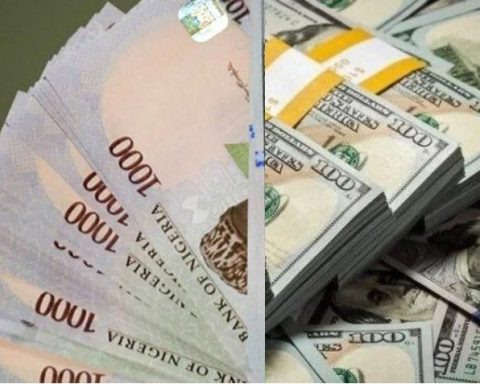
Analysts predict that further price increases are on the horizon, driven by fluctuations in the naira and dollar exchange rates. Given the volatile nature of currency exchange in Nigeria, any significant devaluation of the naira could lead to immediate price hikes at the pump. As one financial analyst stated, “The price of fuel is inextricably linked to the exchange rate. If the naira continues to weaken, Nigerians can expect to pay even more at the pumps.”
The Need for Immediate Action
The Nigerian government must act swiftly to address the implications of the rising fuel prices. It is crucial to explore measures that can cushion the impact on everyday citizens. Initiatives such as targeted subsidies for transportation and essential goods, alongside the implementation of stricter regulations to prevent price gouging, could help alleviate some of the burdens on consumers.
Furthermore, enhancing public transport infrastructure could provide a long-term solution to the issue of high transportation costs. By improving the efficiency and accessibility of public transport, the government can reduce reliance on personal vehicles, thereby lessening the impact of rising fuel prices on families.
A Call for Transparency and Accountability
Finally, transparency and accountability in the petroleum sector are vital. Consumers deserve to know the factors contributing to price increases. Fuel stations must display clear pricing to avoid confusion and frustration among customers. This transparency will help build trust and ensure that consumers are not taken advantage of during times of economic strain.
The recent petrol price hike poses a significant challenge for all parts of Nigeria. With transportation costs expected to soar, the ramifications for the economy and everyday life cannot be underestimated. The government must take decisive action to address this issue, ensuring that the burden does not fall disproportionately on the shoulders of ordinary Nigerians.