 Emmanuel Ochayi
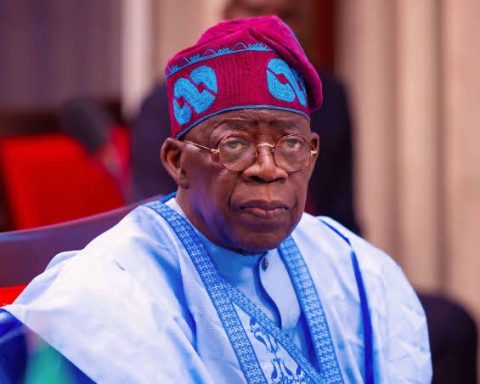
The push for tax reform in Nigeria has entered a critical phase, as President Bola Ahmed Tinubu intensifies efforts to gain support from northern leaders. The proposed tax reform bills, suspended in December for further consultation, are aimed at diversifying government revenue and addressing fiscal challenges. However, resistance from northern governors highlights the political complexities surrounding these reforms.
Political Dynamics Behind the Resistance
The resistance from northern governors to the tax reform bills underscores deep-seated regional disparities in Nigeria. Critics argue that the proposed reforms disproportionately affect northern states, where economies are less diversified compared to the south. Northern governors fear that the reforms could exacerbate existing inequalities, placing undue strain on state budgets heavily reliant on federal allocations.
Join our WhatsApp ChannelAn anonymous official disclosed, “President Tinubu has been consulting with some of the northern elite at individual levels and as groups, even before the holidays. These discussions are aimed at addressing concerns and exploring areas of compromise.” Despite these efforts, resistance remains strong, with critics pointing to the potential negative impact on northern economies.
Dr. Ibrahim Musa, a political analyst, stated, “The northern governors’ opposition is not just about the financial implications but also about maintaining a balance of power. They feel that the reforms could weaken their financial autonomy and increase their dependency on the federal government.”
Background of the Tax Reform Bills
The tax reform bills introduced to the National Assembly in October 2024 include the Nigeria Tax Bill 2024, the Nigeria Tax Administration Bill, the Nigeria Revenue Service (Establishment) Bill, and the Joint Revenue Board (Establishment) Bill. These bills are designed to overhaul Nigeria’s tax system, aiming to increase revenue generation and reduce dependence on oil.
The Tinubu administration views these reforms as essential for addressing the fiscal crisis and implementing its broader economic agenda. However, the suspension of the bills for wider consultation highlights the challenges in achieving national consensus. The proposed reforms seek to standardize tax administration, enhance revenue collection, and improve fiscal accountability across the country.
READ ALSO: Tax Reform Bills: Tinubu Sends Emissaries To Northern Leaders As Resistance Grows
Professor Aisha Bello, an economist, commented, “The tax reform bills are crucial for Nigeria’s economic stability. They aim to create a more transparent and efficient tax system. However, the resistance from the north indicates a need for a more inclusive approach that considers regional disparities.”
Building National Consensus
To navigate the political resistance, President Tinubu has engaged in back-channel diplomacy, reaching out to key members of the northern elite. This strategy involves private consultations to address specific concerns and seek common ground. Analysts suggest that offering concessions, such as phased implementation or increased federal support, could help mitigate the opposition.
Mr. Adewale Johnson, a tax policy expert, noted, “Building national consensus requires a delicate balance of interests. The government must ensure that the reforms are perceived as fair and beneficial to all regions. This might involve tailoring certain aspects of the bills to address the unique economic realities of different states.”
The stakes are high for the Tinubu administration. The success of the tax reforms is seen as critical for reducing Nigeria’s dependence on oil revenue and achieving fiscal sustainability. However, the ongoing resistance from northern governors poses a significant challenge.
Possible Solutions for National Consensus
One potential solution is to introduce a phased implementation of the reforms, allowing states to adjust gradually. This approach could help alleviate immediate financial pressures and provide time for states to diversify their economies.
Another strategy is to increase federal support for affected states. This could involve financial assistance or incentives to encourage compliance and mitigate the perceived burden of the reforms. Additionally, fostering open dialogue and transparency in the reform process could help build trust and understanding among stakeholders.
Dr. Musa emphasized, “Transparency and inclusiveness are key to gaining support for the tax reforms. The government must engage in open dialogue with all stakeholders and address their concerns comprehensively.”
The path to tax reform in Nigeria is fraught with political and regional challenges. President Tinubu’s efforts to build consensus through back-channel diplomacy and private consultations reflect the complexities of balancing national and regional interests. While resistance from northern governors persists, the potential for compromise and phased implementation offers a way forward. Achieving national consensus on the tax reform bills will require a concerted effort to address regional disparities and build trust among all stakeholders.