 Amanze Chinonye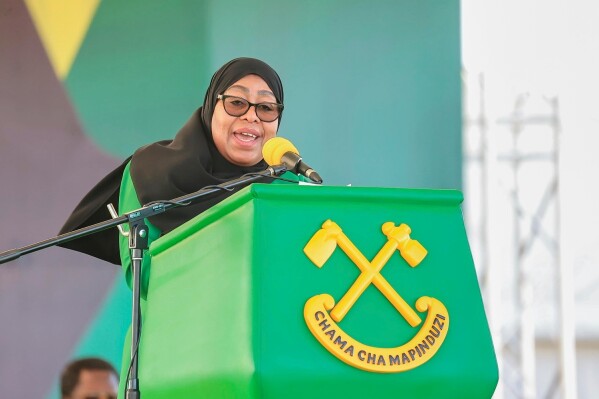
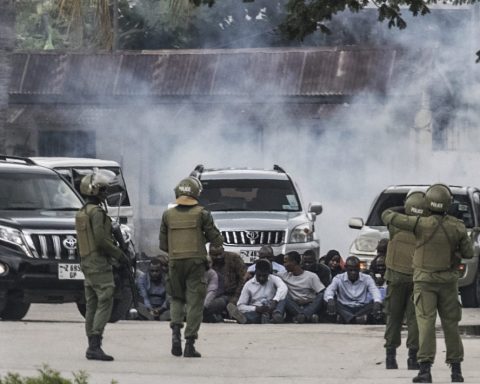
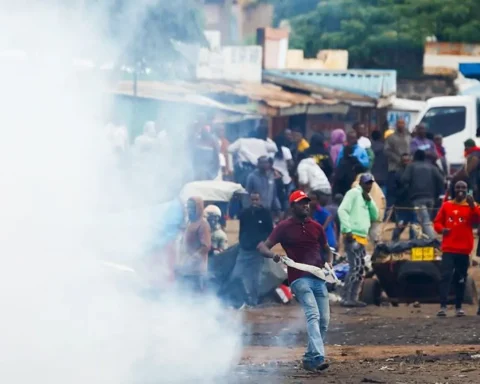
Tanzania’s President Samia Suluhu Hassan has announced an official investigation into the violence that engulfed the country during election week, following widespread accusations that her administration used excessive force to quell unprecedented youth-led protests.
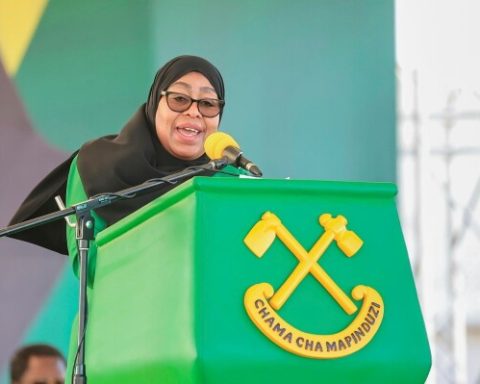
President Samia, who was declared winner of last month’s presidential election with 98% of the vote, a result the opposition has dismissed as a “mockery of democracy” told parliament on Friday that a commission of inquiry had been constituted to examine the causes of the unrest and the reported killings linked to the demonstrations.
According to Prime Business Africa, The protests erupted on 29 October after two major opposition candidates were barred from the ballot, triggering three days of nationwide demonstrations largely mobilised by young people.
Join our WhatsApp ChannelHundreds were arrested, and at least 240 people have been charged with treason. While the opposition claims the death toll may run into the hundreds, authorities are yet to provide official figures.
Quoting a biblical verse during her address, Samia appealed for reconciliation, urging prosecutors to display compassion toward those she said may have been swept into the protests without fully grasping the implications.
“Father, forgive them, for they know not what they do,” she said. “As a mother and guardian of this nation, I am directing law-enforcement agencies, especially the DPP’s office, to show leniency.”
She added that many of the young people facing treason charges “did not fully understand what they were getting involved in.”
READ ALSO : UN Raises Alarm over Tanzania Election Bloodshed, Demands Full Disclosure
The president’s announcement comes days after UN High Commissioner for Human Rights Volker Türk called for a full, transparent investigation into alleged killings, disappearances and other serious human rights abuses during and after the polls. Rights groups say evidence suggests authorities attempted to conceal the true scale of the violence.
Growing Political Tensions
The unrest, unprecedented in Tanzania’s recent history, followed months of rising tensions marked by stalled reforms, factional battles within the ruling Chama Cha Mapinduzi (CCM) and years of simmering youth frustration over unemployment and political exclusion.
Analysts say the government undertook a systematic campaign in the months before the election to eliminate serious challengers. Opposition figure Tundu Lissu remains detained on treason charges, while another major opposition hopeful, Luhaga Mpina, was disqualified on procedural grounds. Chadema’s deputy leader, John Heche, was arrested on election day and released three weeks later.
During her first term, Samia earned praise for easing restrictions on political freedoms and allowing opposition rallies, signalling a break from her predecessor’s hard-line approach. She promoted her “4R” doctrine reconciliation, resilience, rebuilding and reform and promised to re-open Tanzania to the world.
However, the run-up to the election saw a resurgence of abductions, arrests and alleged extrajudicial killings targeting opposition members, fuelling public anger and dampening hopes of democratic renewal.
Reform Promises Amid Crisis
In her address, President Samia acknowledged Chadema’s long-standing demand for constitutional reforms as a prerequisite for meaningful dialogue and said her administration would initiate a constitution-making process within its first 100 days.
She also urged political parties to engage in discussions on how to conduct politics “without harming the country,” reaffirming her commitment to national healing.
As the nation reckons with the most significant political turmoil in decades, the coming months will test President Samia’s promise of reconciliation and determine whether the inquiry and reform pledges can restore trust in a country long viewed as one of East Africa’s most stable democracies.

Amanze Chinonye is a Staff Correspondent at Prime Business Africa, a rising star in the literary world, weaving captivating stories that transport readers to the vibrant landscapes of Nigeria and the rest of Africa. With a unique voice that blends with the newspaper's tradition and style, Chinonye's writing is a masterful exploration of the human condition, delving into themes of identity, culture, and social justice. Through her words, Chinonye paints vivid portraits of everyday African life, from the bustling markets of Nigeria's Lagos to the quiet villages of South Africa's countryside . With a keen eye for detail and a deep understanding of the complexities of Nigerian society, Chinonye's writing is both a testament to the country's rich cultural heritage and a powerful call to action for a brighter future. As a writer, Chinonye is a true storyteller, using her dexterity to educate, inspire, and uplift readers around the world.