 Emmanuel Ochayi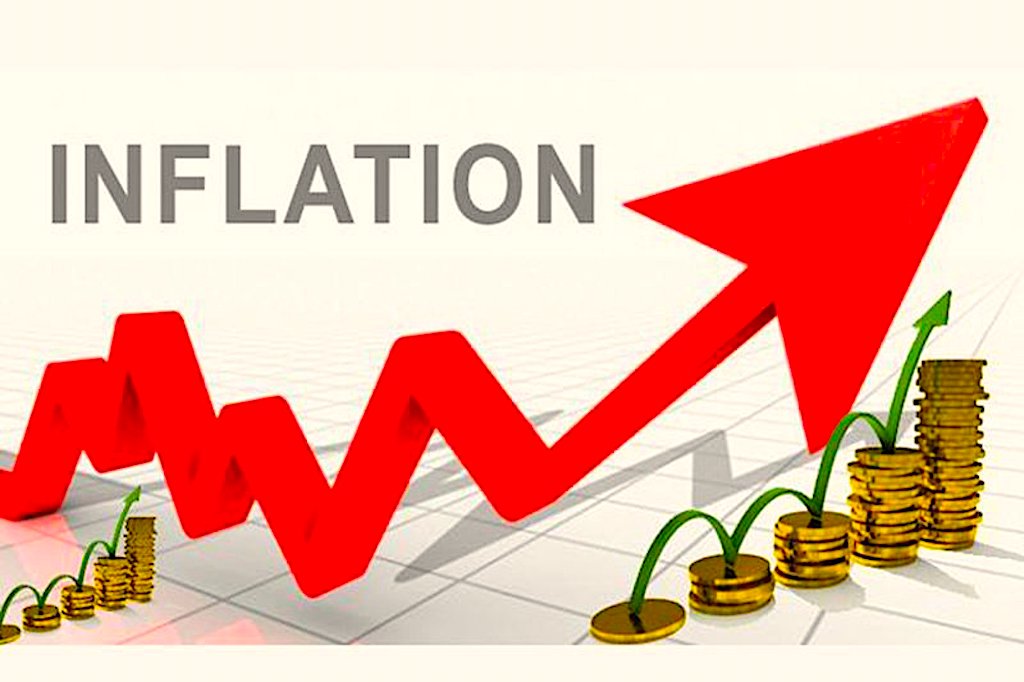
Stears, the data-driven insights provider, has predicted a potential 30% inflation rate by December 2023 in Nigeria.
This projection, unveiled alongside its Pan-African inflation forecasts, has set alarm bells ringing, as the nation grapples with soaring costs of living and economic uncertainties.
Join our WhatsApp ChannelStears, known for its rigorous economic analysis, emphasized that its forecasts, meticulously developed with econometric tools, take into account a multitude of factors that contribute to inflation, from general economic dynamics to Nigeria-specific issues.
Fadekemi Abiru, the Head of Insights at Stears, stated, “In September, we saw the exchange rate premium—the differential between official and parallel rates—rise to 25.2 per cent, a significant increase from August. We expect this gap to keep widening and exert further inflationary pressures unless we witness significant dollar inflows in the economy. Additionally, a heavy and prolonged rainy season has adversely affected harvests.”
Stears has prioritized its projections for Nigeria, considering the country’s September 2023 inflation data. Forthcoming forecasts for other African nations are scheduled for early 2024.
Nigeria, which already has one of the highest inflation rates globally, is grappling with the harsh realities of this economic turmoil. It is estimated that around four million people were pushed into poverty between January and May 2023 due to the escalating cost of living.
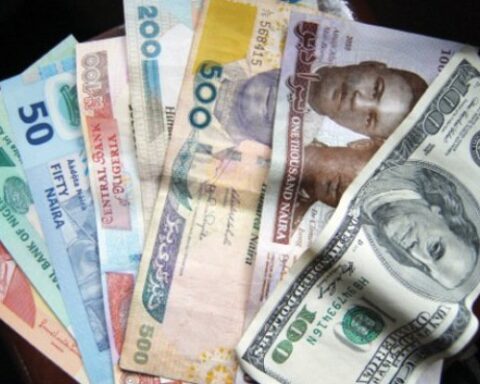
The World Bank, in its latest Africa Pulse report, shed light on the situation, stating, “The incoming Tinubu administration implemented a series of reforms that included the removal of fuel subsidies and the devaluation and unification of the exchange rate system. Petroleum prices have more than tripled since the subsidies were lifted at the end of May. The naira has weakened by nearly 40 percent against the US dollar since the mid-June devaluation. Although these measures are intended to improve the fiscal and external accounts of the nation, their inflationary effects in the near term can erode the purchasing power of households and weigh on economic activity.”
What’s more, Nigeria’s inflation rate now surpasses the World Bank’s projected rate of 25 percent for 2023, causing concerns to escalate further.
The International Monetary Fund (IMF) has also chimed in on the matter. In its just concluded World Economic Outlook report, it predicted that the high inflation is likely to stunt Nigeria’s economic growth, forecasting a modest 2.9 percent growth rate for 2023.
The impact of this inflationary crisis is already beginning to take its toll on the nation, calling for immediate attention and decisive action to mitigate the suffering of its citizens and safeguard its economic stability.