 Emmanuel Ochayi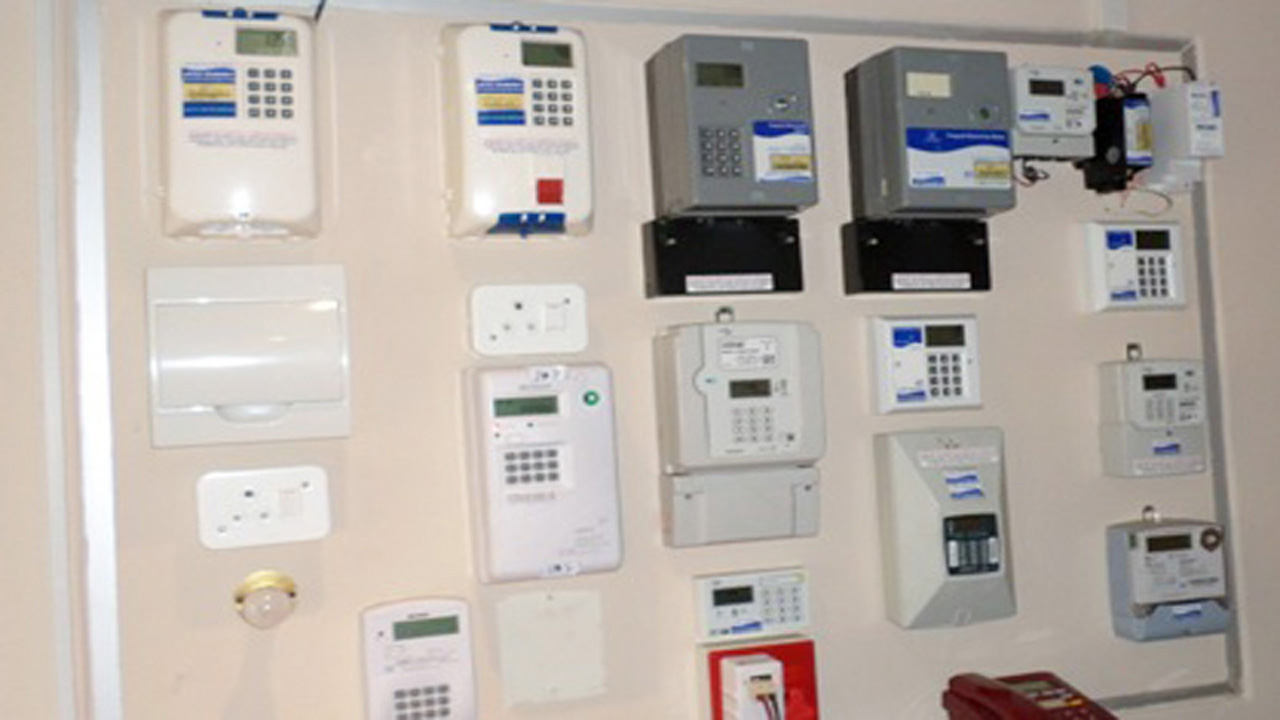
Feelers from the Nigeria Electricity Regulatory Commission (NERC) indicate that the metering crisis in Nigeria’s electricity sub-sector shows no sign of abating.
Despite a two per cent increase in the metering rate, approximately seven million customers remain without meters, raising concerns about the long-term implications.
Join our WhatsApp ChannelAccording to NERC’s 2023 second-quarter report, as of June 30th, 2023, out of 12,561,049 registered electricity customers, only 44.16 percent (5,546,483) have been metered, leaving a staggering 55.84 percent (7,014,566) of customers without meters.
NERC reports that during the second quarter of 2023, 178,864 end-user customers were metered, resulting in a modest 0.85 percent increase in the metering rate. However, the meter crisis remains defiant, and the situation is exacerbated by several factors.
The average available generation capacity of the 26 grid-connected power plants has dropped to 4,387.91MW, a 4.73 percent decrease compared to the previous quarter. This decrease is attributed to gas constraints, mechanical faults in gas-fired thermal power plants, unscheduled maintenance, and other issues affecting power generation.
Sixteen out of the 26 grid-connected power plants recorded a decrease in total generation, resulting in a 5.17 percent reduction in generated power compared to the first quarter of 2023.
Furthermore, the average hourly generation of available units decreased by 6.33 percent, from 4,334.41MW/h in the first quarter to 4,059.94MW/h in the second quarter.
READ ALSO: NERC Increases Prices Of Electricity Meters
On the metering front, some DisCos have made improvements, with Benin, Kano, and Eko DisCos recording the greatest gains, while Yola, Kaduna, and Enugu DisCos reported a decline in the number of meters installed.
NERC also revealed that 94.15 percent of customers were metered under the Meter Asset Provider (MAP) framework, with the National Mass Metering Programme (NMMP) and other frameworks making up the rest.
Stakeholders in the industry have emphasized that the two percent increase in the metering rate falls far short of the country’s metering needs. They stress the need for sustainable policies, infrastructure investment funds, and investor involvement to address the persistent metering challenges.
Executive Director of PowerUp Nigeria, Adetayo Adegbemle while speaking to Guardain Newspaper, highlights the importance of funds and sustained policies in bridging the metering gap. He calls for the establishment of an infrastructure investment fund to attract the massive funds required for metering.
“Funds and unsustained policy are the bane of metering in Nigeria. The MAP Regulation has not been able to bridge the gap, hence, we need to evolve an infrastructure investment fund and seek out investors that are able to provide the massive funds for metering,” he said.
In summary, the metering crisis in Nigeria’s electricity sector persists, and stakeholders are calling for urgent action to address this critical issue and ensure reliable access to electricity for all customers.

Emmanuel Ochayi is a journalist. He is a graduate of the University of Lagos, School of first choice and the nations pride. Emmanuel is keen on exploring writing angles in different areas, including Business, climate change, politics, Education, and others.