 Prosper Okoye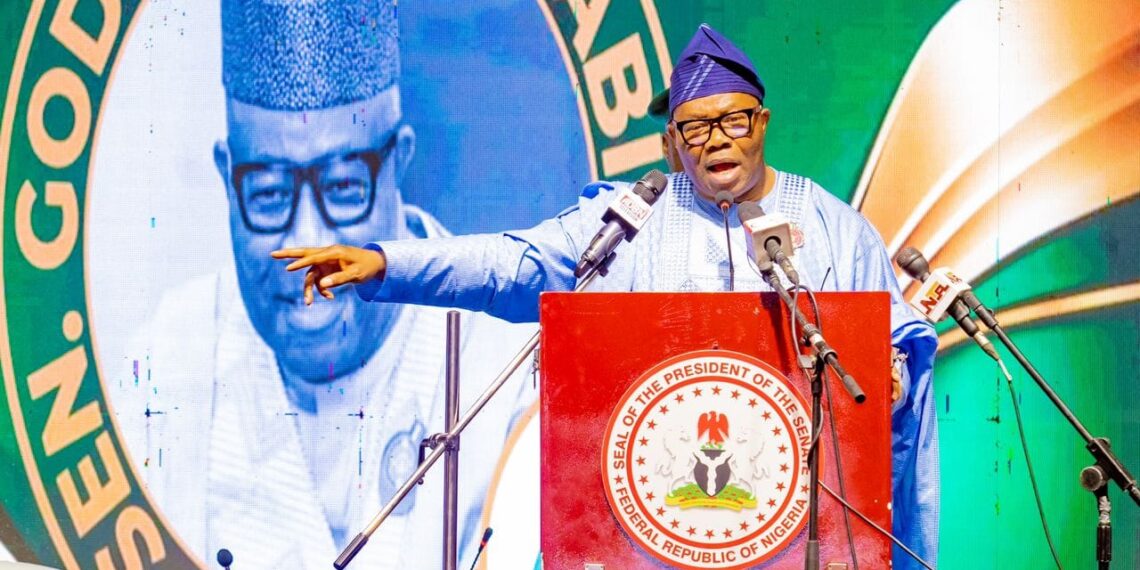
Senate President Godswill Akpabio has called an emergency sitting of the Senate for Tuesday, Feb. 9, following a public outcry over recent amendments to the Electoral Act.
The recall comes amid growing opposition to the Senate’s rejection of electronic transmission of election results, a key provision in the proposed Electoral Act Amendments Bill.
Several prominent Nigerians, including former Senate President David Mark, human rights lawyer Femi Falana, activist Oby Ezekwesili, economist Pat Utomi and labour leader Ayuba Wabba, have criticised the decision, warning it could weaken the credibility of future elections.
Join our WhatsApp ChannelThe Nigeria Labour Congress also urged lawmakers to ensure the amended law gives the Independent National Electoral Commission clear authority to transmit and collate results electronically in real time.
In a notice issued Sunday, Senate Clerk Emmanuel Odo directed all senators to return for the extraordinary session, scheduled to begin at noon. The notice did not state the reason for the recall.
However, a senior Senate official said the sitting is meant to approve the Votes and Proceedings of the last plenary, a procedural requirement for the conference committee on the Electoral Act amendments to begin work.
“We have been formally asked to reconvene on Tuesday to approve the Votes and Proceedings of our last legislative sitting,” the official said,
speaking on condition of anonymity. “This is necessary to clear the way for the conference committee to begin work on the Electoral Act Amendments Bill.”
The senator added that the session could begin behind closed doors because of tensions surrounding the electronic transmission of results.
INEC Chairman Seeks Passage Of Electoral Bill Into Law
Pressure Mounts on Nigeria’s Senate Over Electoral Reform Delay
Atiku Accuses Senate of Delaying Electoral Act Reforms Ahead of 2027 Polls
“The issue has already generated serious tension within and outside the National Assembly,” the lawmaker said.
The recall comes while both chambers are on a two-week recess to engage government ministries and agencies on implementation of the 2026 budget.
Political analysts say the emergency sitting could be decisive in shaping the final version of the Electoral Act, which will govern how elections are conducted ahead of the 2027 polls, particularly on whether results will be transmitted electronically from polling units.

Prosper Okoye is a Correspondent and Research Writer at Prime Business Africa, a Nigerian journalist with experience in development reporting, public affairs, and policy-focused storytelling across Africa