 Prosper Okoye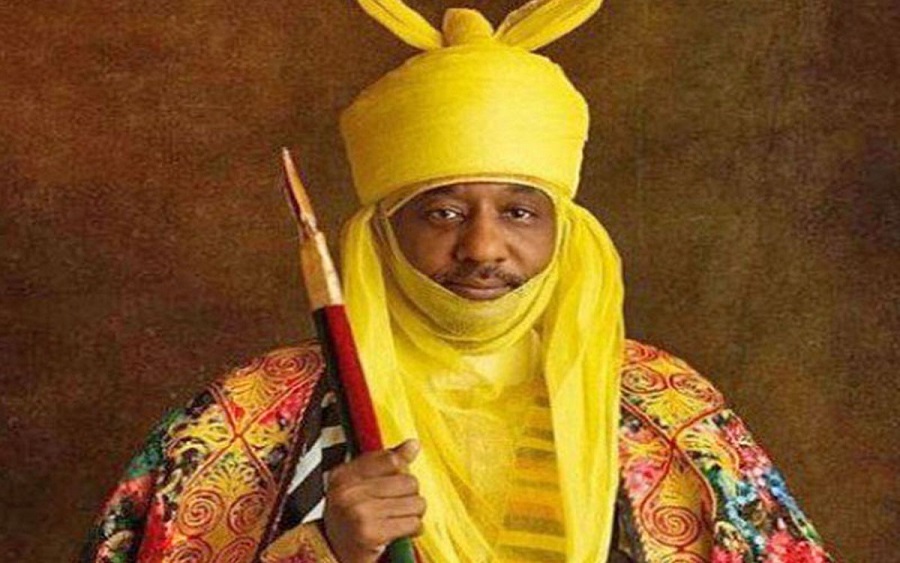
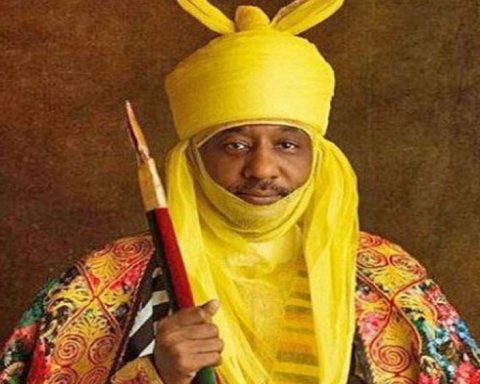
The Emir of Kano, Alhaji Dr. Sanusi Lamido Sanusi, has rejected proposals to formally include traditional rulers in Nigeria’s Constitution, calling the move unnecessary and politically motivated.
In a television interview, Sanusi said the authority of traditional rulers comes from the love and loyalty of their people, not legal recognition. “I am not bothered by this. Left to politicians, they do not want traditional institutions to exist,” he said, adding that he does not need to be included in the Constitution to advise the government or champion policies that benefit his people.
Nigeria’s ongoing constitutional review has seen bills aiming to give traditional rulers explicit recognition and defined roles in governance. One of the bills, formally titled “A Bill for an Act to Alter the Constitution of the Federal Republic of Nigeria, 1999 to Establish and Provide Roles for Traditional Rulers in Nigeria,” seeks to create a National Council of Traditional Rulers with constitutionally defined functions.
Join our WhatsApp ChannelSupporters argue the legislation would give legal authority to monarchs and other traditional leaders, strengthen peacebuilding and cultural preservation, and enhance grassroots development.
The bill also proposes a tiered structure of traditional councils at national, state, and local government levels.
The Senate has approved the bill for second reading, a key early stage in the legislative process. Final approval would require ratification by at least two-thirds of Nigeria’s 36 state Houses of Assembly. Public hearings are ongoing to allow Nigerians to share their views on the proposals.
While many traditional rulers and political leaders support formal recognition as a way to modernise governance, critics warn of potential problems. Some fear constitutional powers for monarchs could clash with elected officials, especially at the local government level. Controversial clauses, such as making the Sultan of Sokoto and the Ooni of Ife permanent co-chairmen of the proposed council, have sparked opposition from groups that see it as exclusionary. Others argue that enshrining traditional leadership in the Constitution risks politicising institutions that should remain culturally rooted and non-partisan.
Gov Yusuf, Sanusi, Others Attend Dantata’s Burial in Madinah, As Saudi Govt Gives Approval
IGP Withdraws Invite To Emir Sanusi Over Death During Salah In Kano
Jonathan, Sanusi And A Moment In Time
The debate over traditional rulers is part of a broader constitutional review aimed at updating the 1999 Constitution. Other issues under discussion include local government autonomy, state policing, electoral reforms, and gender inclusion. Sanusi’s rejection of the proposal highlights the tension between popular authority and formal legal recognition, raising questions about the future of traditional leadership in modern Nigeria.

Prosper Okoye is a Correspondent and Research Writer at Prime Business Africa, a Nigerian journalist with experience in development reporting, public affairs, and policy-focused storytelling across Africa