 MARCEL MBAMALU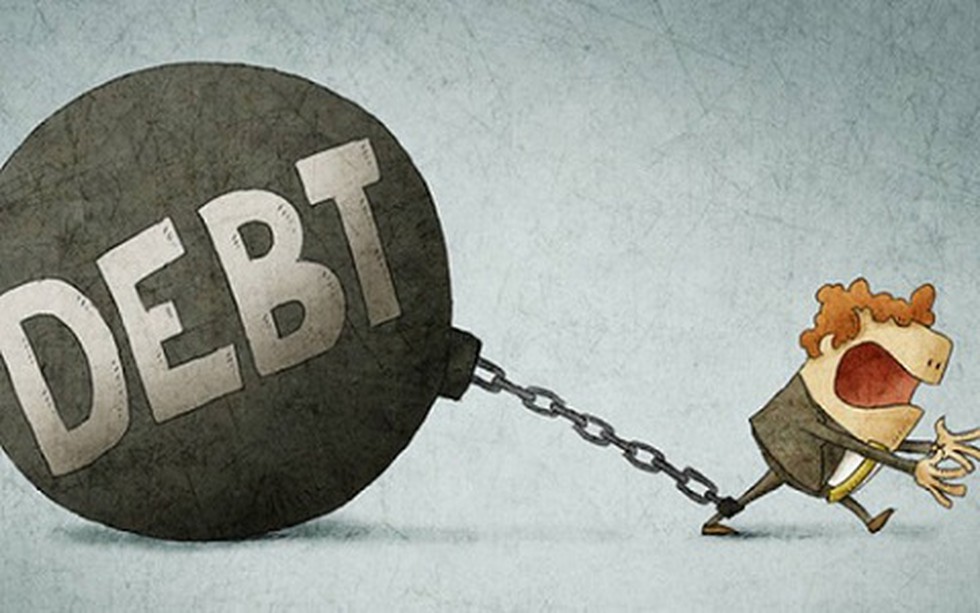
The National Assembly has, as usual approved a fresh $6 billion external loan request by President Bola Tinubu, in a process concluded with notable speed. The government has justified the borrowing as necessary to finance budget deficits, support infrastructure development and stabilise the economy, while Nigeria’s debt stock continues to rise sharply, with growing concerns about sustainability and impact.
This development comes even amid worsening insecurity across the country, raising urgent questions about national priorities and the real value of the nation’s expanding debt burden.
Across Nigeria, insecurity remains relentless, affecting communities in both urban and rural areas. In the North-East, insurgent groups continue to stage deadly attacks. Recent bombings and raids in Borno, Adamawa, and Yobe states have claimed dozens of lives weekly.
Join our WhatsApp ChannelIn Maiduguri, improvised explosive devices detonated at the Monday Market, the University of Maiduguri Teaching Hospital gate, and the Post Office killed at least 23 people and left over 100 critically injured. Earlier raids in Ngoshe and the Sambisa Forest reportedly killed several soldiers, while over 100 women and children were abducted from an IDP camp.
In the North-Central region, Plateau State remains volatile. Attacks in Jos and surrounding communities have killed dozens, displaced thousands, and destroyed property. In the North-West, Kaduna and Niger states continue to experience banditry, with highway ambushes, kidnappings, and village raids terrorising civilians. Zamfara and Katsina states face similar patterns, where armed groups carry out repeated attacks with minimal resistance, exposing gaps in law enforcement and military coverage.
READ ALSO: The Ethical Odds Of Disaster Reporting – Dr Marcel Mbamalu
The human toll is staggering. Amnesty International estimates that more than 10,000 Nigerians have been killed by non-state actors in the first two years of the current administration. Meanwhile, the International Organization for Migration reports roughly 3.7 million internally displaced persons across more than 3,900 camps nationwide. Violence is no longer confined to remote areas; even urban centres are increasingly unsafe, eroding public confidence, disrupting commerce, and leaving ordinary citizens in constant fear.
Despite repeated emergency meetings and directives from the presidency, coordinated responses remain slow and largely reactive. The contrast between the rapid approval of billions in loans and the sluggish handling of insecurity underscores a troubling pattern where the government appears more responsive to fiscal measures than to the urgent need to protect citizens’ lives, leaving communities to navigate fear and instability on their own.
When President Tinubu assumed office in May 2023, Nigeria’s total public debt stock, including domestic and external obligations of the federal government, states, and the Federal Capital Territory, stood at about N87.38 trillion.
Since then, the debt has risen sharply as successive budgets have relied on borrowing to cover deficits, finance infrastructure, and support government spending.
By the first quarter of 2025, total public debt had climbed to around N149.39 trillion, and by September 2025 it reached about N153.29 trillion, with roughly N81.81 trillion in domestic obligations and about N71.47 trillion in external debt. The National Assembly’s recent approval of a fresh $6 billion external loan request has now added an estimated N8.4 trillion, pushing total liabilities beyond N155 trillion.
This reflects a continued dependence on borrowing to sustain government operations and development projects, making deficit financing a regular feature of fiscal planning rather than a temporary measure.
Even with this growing debt, improvements in national security and public welfare remain limited. The rapid accumulation of obligations raises urgent questions about how loans are being utilised and whether they are translating into tangible benefits for citizens. Consequently, the contrast between increasing borrowing and slow progress on core public priorities highlights a worrying gap between fiscal activity and national outcomes.
Aside from that, the speed with which Nigeria’s National Assembly approved the latest borrowing request from President Tinubu highlights an even more troubling pattern in the legislature’s priorities. On March 31, lawmakers granted the approval of the $6 billion loan in less than four hours from first reading to passage.
The Senate quickly read the president’s letter, referred it to committee, considered the report and adopted it on the same day. Meaning that a decision of this magnitude, which will add trillions to the nation’s liabilities, received minimal public scrutiny.
This haste contrasts sharply with the time the legislature spends on other critical matters. For instance Bills affecting electoral processes, governance reforms and security legislation have lingered for weeks or months before debate and passage, many not passed at all, Meanwhile, borrowing requests that expand the debt profile are always fast-tracked with little interrogation, an indication that the National Assembly is not in any way acting as an independent oversight body, but simply rubber-stamping executive proposals.
Following the deadly attack in Jos, President Tinubu visited Plateau State yesterday, April 2, to commiserate with victims and reassure residents and told those affected that “this experience will not repeat itself,” and pledged stepped-up efforts to prevent similar violence.
He also directed security agencies to pursue the attackers and ordered the deployment of a network of over 5 000 surveillance cameras to strengthen intelligence and response across the state.
The same promise he also made after the Yelwata Benue attack last year.
The persistence of attacks across Plateau and other parts of the country therefore suggests that assurances have not translated into measurable improvements on the ground. While violence continues to claim lives, displace communities, and undermine public confidence in the government’s ability to protect citizens, the promise of decisive action appears increasingly disconnected from the lived reality of those affected, where insecurity remains entrenched despite repeated pledges. Such declarations have only become routine rhetoric not followed by tangible outcomes
Nigeria’s rising debt has tangible implications for national security because servicing the country’s growing obligations now consumes a larger share of the federal budget, leaving less fiscal space for investment in security infrastructure, intelligence, and operational readiness. At the same time, inflation and the rising cost of living, partly driven by fiscal pressure, deepen economic hardship, leaving citizens vulnerable and fuelling crime and social instability.
Compounding the problem is the lack of transparency around borrowing. Loans are approved and disbursed without clear connections to measurable outcomes, whether in development or security. Citizens cannot see how borrowed funds translate into tangible improvements, and the absence of rigorous monitoring undermines public confidence. Hence, the imbalance between fiscal urgency and security response reflects a deeper failure in governance priorities. The state acts swiftly to expand debt but moves cautiously when citizens’ lives are at risk. Without systemic reform, rapid borrowing will continue to outpace effective measures to safeguard communities, perpetuating a cycle of crisis that government rhetoric alone cannot resolve.
Borrowing is not inherently wrong. It can fund development, infrastructure, and security if applied transparently, accountably, and with measurable impact.
But Nigeria cannot sustain a pattern where debt continues to rise while insecurity remains unchecked.
Without clear accountability and tangible outcomes, the country risks financing its own instability rather than resolving it. Both the executive and the legislature must realign their priorities to reflect the urgency of protecting lives, not merely balancing books.