Chinweotito Obisike
The statement, “Every illiterate is a literate, while every literate is an illiterate,” may sound contradictory at first. Yet, it carries a profound truth when viewed from a broader perspective.
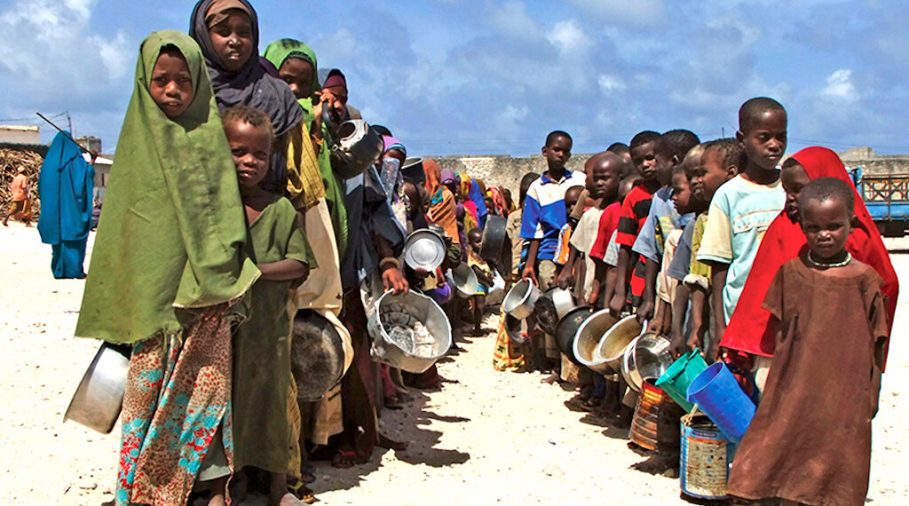
Society has long defined literacy strictly through formal education: the ability to read, write, and hold academic qualifications. As a result, millions of uneducated people around the world have been overlooked, condemned, or undervalued simply because they do not fit this narrow definition.
This limited viewpoint has hidden immense potential and masked countless abilities.
Join our WhatsApp Channel
Traditionally, dictionaries define an illiterate person as someone without formal education. Sadly, this narrow definition has shaped societal attitudes. Some educated elites assume that nothing valuable can come from the so-called “illiterate,” equating lack of schooling with lack of intelligence.
In doing so, they overlook the wisdom, skills, and problem-solving abilities that many uneducated individuals possess. This calls for a redefinition of illiteracy from its traditional meaning to one that restores balance and reveals a deeper truth.
READ ALSO : Deconstructing Nigeria
Illiteracy should not be seen merely as the absence of education. Rather, an illiterate person can be understood as someone who lacks knowledge or understanding in a particular area of life, skill, or discipline. By this definition, illiteracy is not a permanent label but a situational condition. After all, no one knows everything.
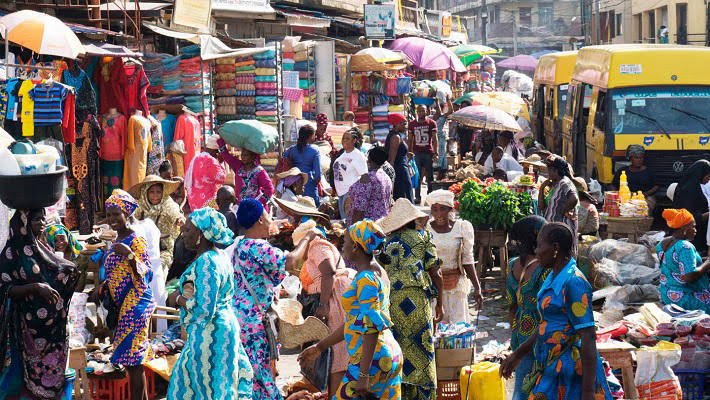
For example, a mathematics professor may excel in complex equations and theories, yet have no understanding of how a local fruit seller manages her business how she preserves produce, negotiates prices, understands customer behavior, and avoids losses. In this case, the professor is literate in mathematics but illiterate in fruit selling. Conversely, the fruit seller, though uneducated, is literate in entrepreneurship and practical business, even if she is illiterate in advanced mathematics.
Similarly, literacy can be defined as mastery or deep understanding of a particular field. A person becomes literate through specialization, experience, and practice not only through formal schooling. Under this balanced definition, the uneducated fruit seller is as literate in her field as the professor is in his.
The truth is, every human being embodies both literacy and illiteracy. We all know something, and we all lack knowledge in other areas. Recognizing this fosters humility and mutual respect.
To build a healthier society, we must stop looking down on the uneducated. Many of them possess exceptional skills, innovation, and expertise developed outside classrooms or without certificates.
Literacy and illiteracy should not be measured by education alone, but by one’s specialization, curiosity, understanding, awareness of ignorance, and capacity for growth. Only then can society truly value everyone’s contribution.