 MARCEL MBAMALU
Nigeria seems to have recently woken up after spending close to two years without ambassadors, following President Bola Tinubu’s recall of all envoys in September 2023.
The move was explained at the time as part of a broader effort to review and reorganise Nigeria’s foreign service, aimed at improving the quality of representation abroad.
That decision may have weakened Nigeria’s diplomatic presence, as some Nigerians argued that the prolonged vacuum contributed to the country’s October designation as a “Country of Particular Concern” by the United States for severe violations of religious freedom.
Join our WhatsApp ChannelYet, in light of the stated rationale for the recall, the public reasonably expected that any fresh appointments would be handled with care, professionalism, and institutional seriousness.
Those expectations were put to the test between 26 November and early this month, when the President transmitted multiple batches of ambassadorial nominees to the Senate, culminating in a list of 65 individuals.
Far from restoring confidence, the list provoked widespread outrage over vetting failures, the quality of some nominees, and a Senate screening process widely perceived as perfunctory.
The unease deepened when it emerged that one of the nominees had already died before the list reached the Senate.
According to reports, the late lawmaker, Adamu Garba, who hailed from Yobe State, passed away at the National Hospital, Abuja, five months ago after a brief illness, at the age of 73.
Perhaps the President had prepared the list long ago, but what exactly was the screening designed to achieve?
Ambassadorial appointments and screening are meant to involve judgement, comparison, and selection, weighing suitability, competence, and temperament, and leaving out those who fall short.
If nominees are cleared indiscriminately, without serious scrutiny, it becomes difficult to dismiss the suspicion that favour, rather than fitness, shaped the process.
Why the Ambassadorial Role Matters
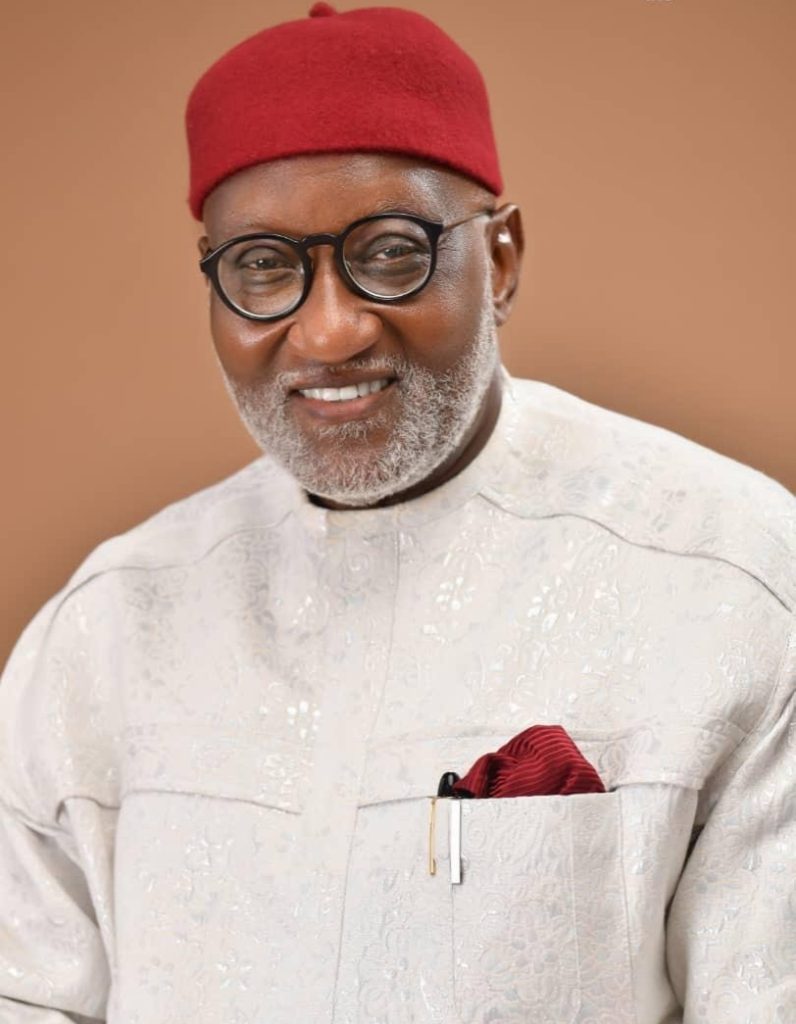
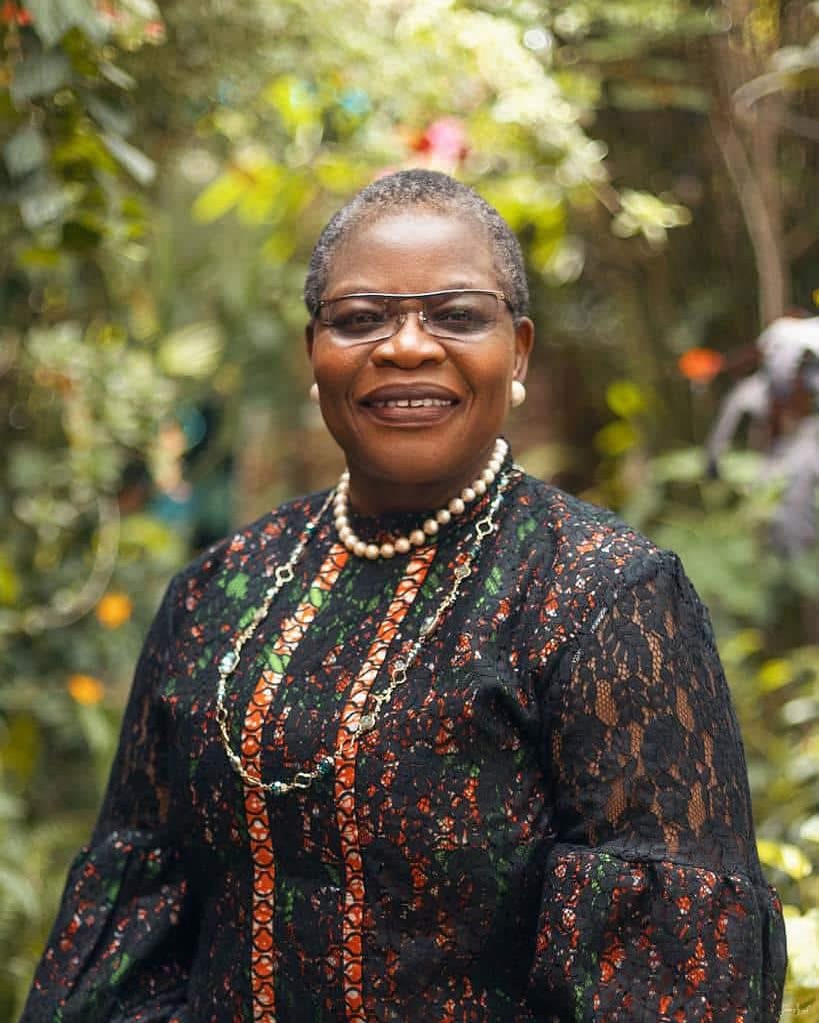
In the current list of 65 nominees transmitted to the Senate by President Tinubu are former governors and office holders such as Ifeanyi Ugwuanyi (ex‑Enugu governor), Okezie Ikpeazu (ex‑Abia governor), Femi Pedro (former Lagos deputy governor), Chioma Ohakim (former Imo first lady), Senator Solomon Ita Enang, Senator Jimoh Ibrahim, Senator Folasade Grace Bent, and Mahmood Yakubu (ex‑INEC chairman).
Others include Ambassador Sulu-Gambari Olatunji Ahmed, Ambassador Ahmed Mohammed Monguno (Borno), and Ambassador Maimuna Ibrahim (Adamawa).
These names underscore the government’s attempt to blend experienced diplomats with high-profile non-career appointees.
However, it is important to point out that ambassadors are not political rewards or ceremonial figures. They are the highest official representatives of the Federal Republic of Nigeria abroad. Their duties go far beyond attending functions and cutting ribbons.
Although ambassadorial nominees fall into two broad categories: career and non‑career.
Career diplomats rise through the ranks of the Foreign Service, gaining expertise in negotiation, protocol, and policy, and bringing continuity and institutional memory to Nigeria’s missions abroad. Non-career appointees , often drawn from politics, public service, or business, may offer visibility and networks but usually lack formal diplomatic training and rely on career staff for execution.
This balance can work if nominees are chosen on merit, but when appointees lack the temperament or skills required for complex diplomacy, such country’s foreign policy suffers.
President Tinubu recent nomination list have 34 career diplomats and high commissioners, while 31 are non‑career appointees.
The near parity underscores the heavy presence of politically connected figures.
People like former state governors, ex‑legislators, and public office holders such as Senator Solomon Ita Enang, former Chief of Naval Staff Vice Admiral Ibok-Ete Ibas (retd.), former Chief of Army Staff Lt‑Gen Abdulrahman Dambazau (retd.), and former presidential aides like Reno Omokri and Femi Fani-Kayode are those whose careers have not been forged in diplomatic service.
This is notwithstanding that in diplomatic practice, ambassadors serve as Nigeria’s principal voice and face in foreign capitals and international organisations. They negotiate trade agreements, protect the rights and welfare of Nigerians abroad, manage crises, and foster bilateral and multilateral cooperation. They also report critical developments back to Abuja and help shape foreign policy responses.
Their conduct influences how host governments and international partners perceive Nigeria. A misstep in language or judgement can weaken bilateral ties or undermine national interests. In this sense, ambassadors are both strategic negotiators and custodians of Nigeria’s image.
Political analyst Segun Showunmi recently highlighted the inherent weight of the ambassadorial office in an advisory note. He reminded that ambassadors must be symbols of national unity and restraint, able to communicate Nigeria’s positions with balance and sensitivity.
READ ALSO:Tinubu’s Ambassadorial Nominees Breeze Through Senate Amid Tensions Over Screening
If Not Now, When? What the Nomination of Reno Omokri Says About Bola Ahmed Tinubu’s Presidency!
Consequently, their mandate is also to embody state’s cohesion, projecting calm and fairness in an increasingly fractious global environment.
Public Outcry and Credibility Crisis
Perhaps the heavy presence of non-career and politically connected nominees triggered a notable backlash from across Nigeria’s political and civic spectrum.
The Peoples Democratic Party (PDP) blasted the list as “scandalous” and a reflection of a reward system that prioritises patronage over competence. It also warned that deploying individuals with controversial records risks tarnishing Nigeria’s global standing.
Many Nigerians on social media echoed same view, describing the nominations as political payoff rather than merit-based selections.
Criticism also came from within the ruling party. Senator Ali Ndume, an All Progressives Congress (APC) lawmaker, urged President Tinubu to withdraw the list on the ground that its composition breached the federal character principle enshrined in Section 14(3) of the Constitution.
The senator further explained that the such principle requires the federal government and its agencies to reflect Nigeria’s diversity and promote national unity.
He pointed to disparities in the regional distribution of nominees, noting that some states had multiple slots while others, such as Gombe, had none, and argued that approving such a list could fuel ethnic distrust.
Also, civil society voices also weighed in, and commentators questioned the wisdom of nominating weak figures.
That APC members like Senator Ndume joining the critics shows the controversy goes beyond party politics.
Yet, the government pressed on with the screening, thereby ignoring repeated calls for a review.
Yet, no matter how poorly the original list was vetted, the Ministry of Foreign Affairs was expected to filter out unsuitable names before they reached the Senate, but the ministry added little value in this instance.
More perplexing is that all nominees, whom Nigerians believed would fail the Senate screening passed through. Take Reno Omokri, for instance, once a prominent social commentator and former presidential aide.
He was widely dismissed as unfit for diplomatic service due to his tribalistic rhetoric and hate speech, frequently targeting Nigerians on social media.
Before and during the 2023 election, he was one of Tinubu’s sharpest critics, making controversial remarks about the president.
Reason many Nigerians saw his nomination as an opportunistic reversal, designed to curry favour rather than reflect diplomatic competence.
In 2023, he had even stated he would never work for Tinubu, calling such an appointment “not in his DNA.”
But during his appearance before the Senate, reports noted that Senator Ndume moved that he and others simply “take a bow and go,” a tradition effectively waiving substantive questioning.
Although Senator Adams Oshiomhole objected, prompting a heated exchange, the nominee’s suitability remained largely unexamined.
They were rarely probed on temperament, past conduct, or readiness for diplomatic service, with other high-profile figures like Fani-Kayode and Mahmood Yakubu also swiftly cleared.
The inclusion of a nominee already deceased when the list was transmitted further revealed breakdowns in background checks and inter-agency coordination.
There have been rumours that the current administration paid some politicians to join the APC. For many, the ambassadorial process further illustrated that the government appears keen to position politicians for roles ahead of the 2027 elections without considering even the country’s global image.
Nigeria’s Global Image at Risk
Since ambassadors shape how Nigeria is perceived by foreign governments, investors, and the diaspora, many Nigerians fear that the country’s already tarnished global image could suffer further. This is because a single careless statement or misstep abroad can undermine trade negotiations, diplomatic ties, and the nation’s credibility.
The administration could and should have followed a due process that reinforces credibility. A credible appointment process requires rigorous vetting, competence-based selection, serious Senate scrutiny, and formal orientation on national communication and conflict sensitivity.
These are not optional safeguards; they are essential to ensure Nigeria’s representatives abroad can protect and advance national interests.
However, despite the missteps so far, the process has not reached its final stage, hence the government still has a chance to demonstrate that it is not guided by favouritism, and that Nigeria’s international image remains a priority.
A thorough, merit-based confirmation can reassure citizens and foreign partners alike that the country’s global representation is in competent hands.
Nigeria cannot afford a system that rewards political connections over competence, or that treats Senate screening as a ceremonial ritual.
Dr Mbamalu, a Jefferson Fellow of the East-West Center, Hawaii, United States, is the publisher of Prime Business Africa