 Victor Ezeja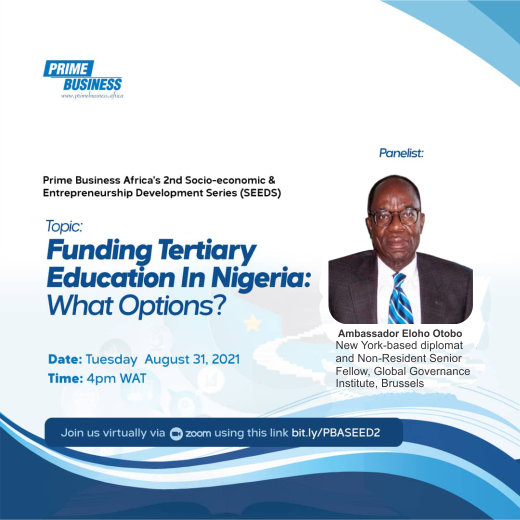
‘How Weak Regulation, Politics Drag Public Tertiary Schools’
WEAK regulation and undue political interference affect autonomy and operations of public higher institutions in Nigeria.
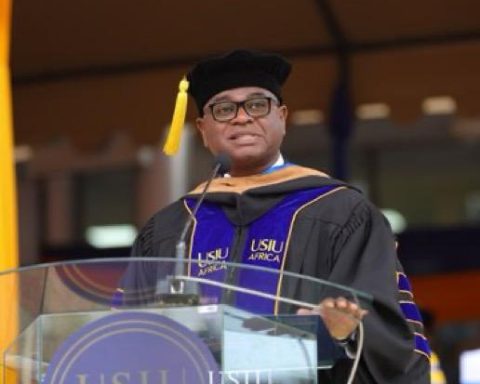
Join our WhatsApp ChannelThis was the position of Ambassador Ejeviome Eloho Otobo, Non-Resident Senior Fellow, Global Governance Institute, Brussels, during the Prime Business Africa (PBA) 2nd Socio-Economic and Entrepreneurship Development Series (SEEDS) on Tuesday.
Otobo who was a panelist in the PBA webinar which focused on funding tertiary education in Nigeria, emphasised the role of autonomy and consistent regulation of public higher institutions and their impacts on funding operations.
He noted that funding is very critical for optimal performance of public institutions in terms of providing better manpower and infrastructure for delivery of quality education.
The renowned diplomat and economic expert, therefore, advocated independent fund-raising measures for public tertiary institutions to enable them maintain autonomy that would be healthy for their operations.
He said, “On the issue of autonomy of public-funded tertiary institutions, universities should put more efforts in raising their own resources if they want to have a modicum of autonomy.
“Quite frankly, I am not sure that with the present arrangement in their relationship with government, they will be able to achieve that, to raise resources.”
On impact of political interference in the education system, Otobo said if staff of public tertiary institutions wanted autonomy, they should not go outside the system to seek intervention on issues within the school system to advance their cause.
“If the university people want autonomy, and they don’t want interference, they too in turn should not go to solicit outside powers for their own advancement. It is as clear as that; you will not go and solicit support of even the chairman of the board of the alumni association, not to talk of the governor of a state, to advance your case, even when it is a state-owned university.”
Political interference he said, affects autonomy and funding of the institutions. He advised that authorities of public tertiary institutions should have pragmatic policies for effective regulation.
“The regulation has to be tough, it has to be methodical, it has to be consistent, both in terms of setting standards, and how our universities are funded,” Otobo advised.

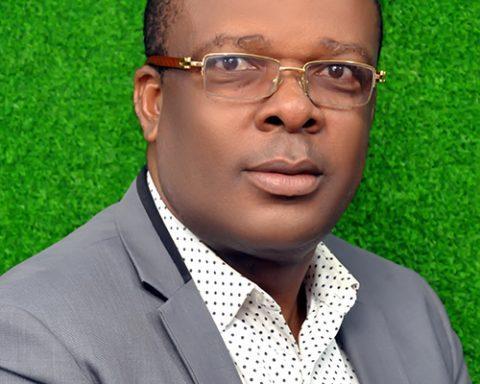
Victor Ezeja is a passionate journalist with seven years of experience writing on economy, politics and energy. He holds a Master's degree in Mass Communication.