Fakoyejo Olalekan
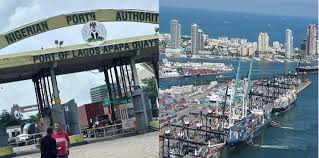
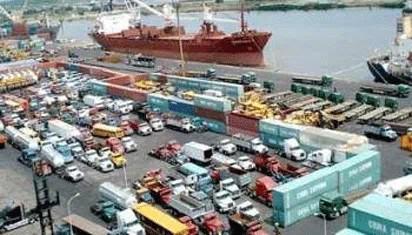
Managing Director of the Nigerian Ports Authority (NPA), Mohammed Bello-Koko, said ship operators will have to continue paying some dues in dollars as shipowners earn in the United States currency.
Shipowners have been complaining that the NPA should put an end to the collection of dues in dollars, suggesting that the operators should consider accepting naira in payments.
Join our WhatsApp ChannelHowever, Bello-Koko disagreed, explaining that ship operation is business conducted in international markets, as shipowners’ transactions start with dollar payments before reaching the shore of Nigeria.
“Let us put it this way; in the past, all payments were supposed to be in dollars. I knew we advocated that the payments should be in naira considering the exchange rate volatility.
“But till now, the invoices are issued in dollars because shipping is a dollar-denominated business. I am not quite sure what the situation is,” Bello-Koko said in a Punch newspaper report.
Addressing the situation, the President of the Shipowners Association of Nigeria, Mcgeorge Onyung, said his group has been clamouring for payments to be made in naira due to the exchange rate volatility.
“Let us put it this way; in the past, all payments were supposed to be in dollars. I knew we advocated that the payments should be in naira considering the exchange rate volatility.
“But till now, the invoices are issued in dollars because shipping is a dollar-denominated business. I am not quite sure what the situation is,” Onyung said.
Meanwhile, Tunji Brown, a shipowner in Nigeria, echoed the statement of the NPA boss, arguing that once a transaction is done offshore, it is no longer a Nigerian transaction, so shipowners need to pay in dollars.
The NPA isn’t the only federal agency demanding dollars, as Brown revealed that Nigerian Maritime Administration and Safety Agency (NIMASA) is also collecting dues in dollars.
“For some duties, we have to pay in dollars. Security duty to NIMASA is paid in dollars. NPA and other charges are some of the payments made in dollars. Most times, vessels come from offshore. Once they come from offshore, it is no longer a Nigerian transaction because you are just coming to Nigeria for the first time. That is why they are charged in dollars.”