 Amanze Chinonye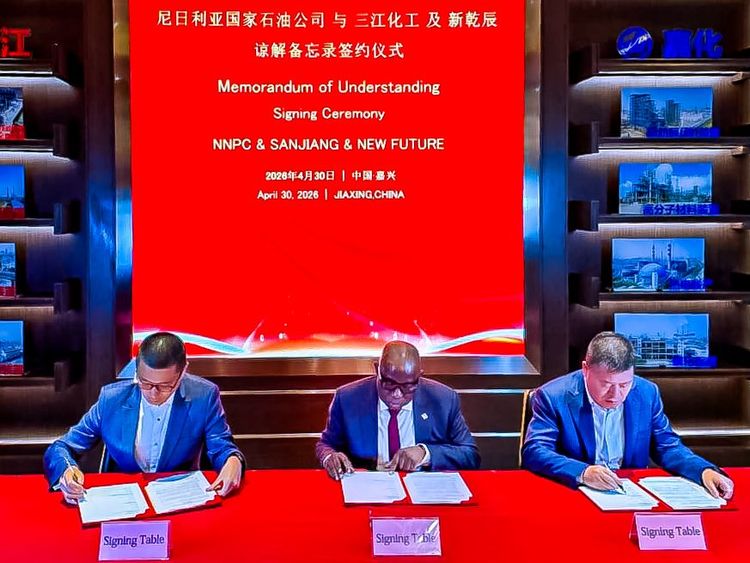
Nigeria’s state oil firm, NNPC Limited, is pivoting to a new intervention strategy aimed at breaking a long cycle of failed refinery rehabilitation, following the signing of a Memorandum of Understanding with two Chinese firms.
The agreement with Sanjiang Chemical Company Limited and Xinganchen (Fuzhou) Industrial Park Operation and Management Co. Ltd targets the long-troubled refineries in Port Harcourt and Warri. But beyond the immediate plan to complete and operate the facilities, the deal introduces a technical equity partnership model marking a clear departure from past state-funded repair efforts that delivered limited results.
READ ALSO :
Join our WhatsApp ChannelWhy Warri Refinery Remains Moribund After Millions Of Dollars Spent On Repair
From Costly Repairs to Performance-Linked Partnerships
For decades, Nigeria has struggled to keep its refineries functional despite multiple turnaround maintenance (TAM) projects and heavy public spending.
Facilities in Port Harcourt and Warri, alongside the Kaduna refinery, have suffered prolonged shutdowns, inefficiencies, and underinvestment, forcing the country to rely heavily on imported petroleum products.
Attempts to privatise or concession the assets repeatedly stalled due to political resistance and labour concerns, leaving government-led rehabilitation as the default approach often with disappointing outcomes.
The latest framework signals a shift. By bringing in technical partners as equity participants rather than contractors, the model ties operational performance directly to investor returns. Group Chief Executive Officer of NNPC Ltd, Bashir Bayo Ojulari, described the agreement as a milestone after months of engagement, positioning it as a pathway to long-term sustainability and profitability.
The move also reflects post-reform realities following the Petroleum Industry Act (PIA), which transformed NNPC into a commercially driven entity and heightened expectations for efficiency and returns.
READ MORE :
Refining as Industrial Backbone, Not Standalone Asset
Beyond restoring fuel production, the MoU outlines plans to transform the refineries into integrated energy hubs, with expanded petrochemical capacity and co-located gas-based industries.
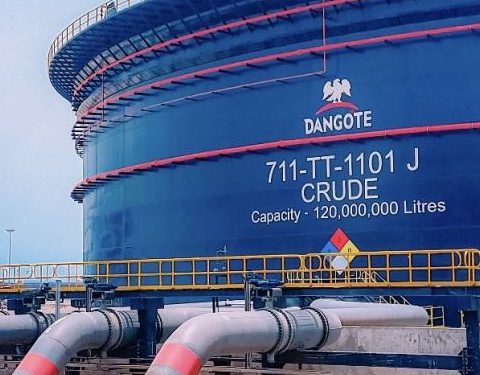
This approach aligns with global trends that favour refinery integration for higher-value output, rather than reliance on standalone fuel production. It also comes amid rising pressure from private sector competition, particularly the Dangote Refinery, which has reshaped expectations around domestic refining capacity and efficiency.
While the agreement remains non-binding pending regulatory approvals and final investment decisions, it represents a broader strategic rethink within NNPC Limited one that prioritises shared risk, technical expertise, and commercial discipline over repeated short-term fixes.
Whether this latest intervention succeeds where previous efforts failed will depend on execution and the ability of all parties to translate intent into sustained refinery output and reduced dependence on fuel imports.

Amanze Chinonye is a Staff Correspondent at Prime Business Africa, a rising star in the literary world, weaving captivating stories that transport readers to the vibrant landscapes of Nigeria and the rest of Africa. With a unique voice that blends with the newspaper's tradition and style, Chinonye's writing is a masterful exploration of the human condition, delving into themes of identity, culture, and social justice. Through her words, Chinonye paints vivid portraits of everyday African life, from the bustling markets of Nigeria's Lagos to the quiet villages of South Africa's countryside . With a keen eye for detail and a deep understanding of the complexities of Nigerian society, Chinonye's writing is both a testament to the country's rich cultural heritage and a powerful call to action for a brighter future. As a writer, Chinonye is a true storyteller, using her dexterity to educate, inspire, and uplift readers around the world.