 Emmanuel Ochayi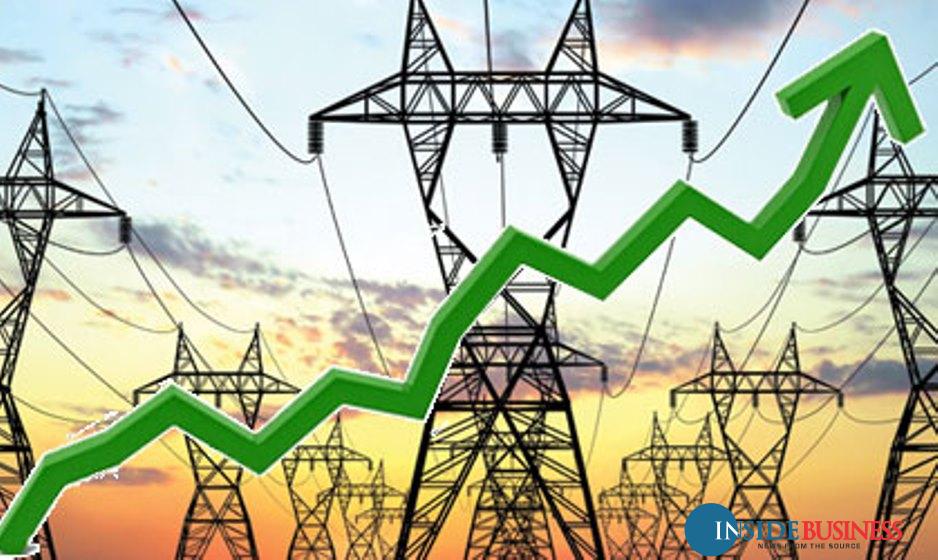
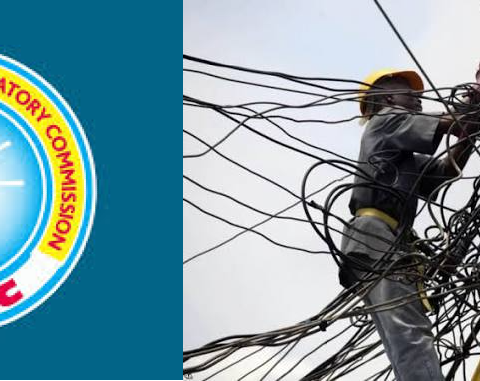
The demand for electricity in Nigeria is surging, driven by a growing population and urbanization. Despite efforts to enhance power generation, millions of Nigerians still face energy poverty, with limited or unreliable access to electricity.
This issue places immense pressure on both government and private operators to improve the power sector.
Join our WhatsApp ChannelIn Nigeria, less than 15% of electricity customers receive over 20 hours of supply daily, known as ‘Band A’ customers. These customers recently experienced a tariff increase, highlighting the unmet demand and investment opportunities in the sector. The remaining customers, who face unreliable supply, continue to benefit from government subsidies.
Minister of Power, Adebayo Adelabu, remarked, “In Nigeria, it is estimated that 92 million people suffer from energy poverty, which is over 40% of our population.” This statement underscores the critical need for improved energy access. The World Bank estimates that the lack of reliable power results in annual economic losses of $26.2 billion.
Despite these challenges, there have been notable improvements. For instance, the Enugu Electricity Distribution Company signed an agreement with the Anambra State government to ensure 24-hour power supply. Additionally, the Eko Electricity Distribution Company has achieved over 90% revenue collection efficiency, showing progress in the sector.
READ ALSO: International Consumers Owe Nigeria Over $51M For Electricity, Says Nigerian Government
Population growth continues to strain the power infrastructure. Nigeria’s population has grown from less than 50 million in 1960 to an estimated 216 million in 2022 and is projected to reach 400 million by 2050. Urbanization has also increased, with the urban population rising from 15.4% in 1960 to 55.6% in 2022.
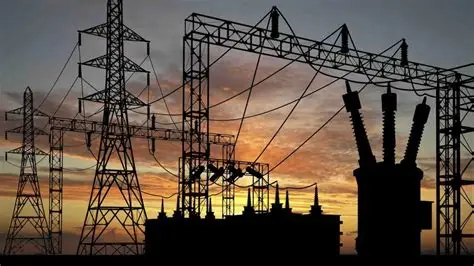
However, many Nigerians still lack access to electricity from the national grid. The country’s total generation capacity fluctuates between 4,000 and 4,500 megawatts, far below the projected demand. As of the latest data, Nigeria’s grid generation installed capacity is 13,014.14MW, with a national peak demand forecast of 19,798MW.
To address these issues, several reforms and initiatives have been implemented over the years. These include the Nigerian Electric Power Policy in 2001, the Electric Power Sector Reform Act of 2005, and the privatization of generation and distribution subsectors in 2013. More recent initiatives include the Meter Asset Provider (MAP) scheme and the Nigerian Mass Metering Programme (NMMP).
In June 2023, President Bola Tinubu signed the Electricity Act 2023, repealing the Electric Power Sector Reform Act of 2005. This new legislation aims to provide a comprehensive framework for the power sector, allowing state governments to participate in areas previously reserved for the federal government. “The Electricity Act of 2023 attempts to address existing challenges and unlock new potential,” stated PwC Nigeria in a recent report.
Private sector participation has been crucial in driving progress. Since the sector’s privatization in 2013, private investors have made significant investments in power plants and distribution infrastructure. Companies like the Eko Electricity Distribution Company have launched numerous projects to improve power supply and customer service.
Ayodele Oni, an energy expert and partner at Bloomfield LP, highlighted the importance of private sector involvement. “The privatisation of the sector was necessary to promote private sector involvement, efficiency, and investment,” he said. Oni also noted that the Electricity Act of 2023 would enhance private sector participation and promote renewable energy sources.
Despite these efforts, the sector faces ongoing challenges, including gas supply shortages, limited distribution networks, and a significant metering gap. As of December last year, only three distribution companies had provided meters for more than half of their customers.
To improve operational efficiency, industry players have leveraged technological advancements like smart metering and grid modernisation. The Eko Electricity Distribution Company, for example, has launched several initiatives to enhance service delivery and customer experience.
The power sector remains a critical component of Nigeria’s economic development. Dere Otubu, Chairman of the Board of Directors of EKEDC, emphasized the need for increased investment in the sector. “The power sector is the backbone of any thriving economy,” he stated, highlighting the importance of addressing the current energy deficit.
As Nigeria continues to grow, the demand for electricity will only increase. Addressing the challenges in the power sector and unlocking its potential will require sustained effort and investment from both the government and private sector.

Emmanuel Ochayi is a journalist. He is a graduate of the University of Lagos, School of first choice and the nations pride. Emmanuel is keen on exploring writing angles in different areas, including Business, climate change, politics, Education, and others.
- Emmanuel Ochayihttps://www.primebusiness.africa/author/ochayi/
- Emmanuel Ochayihttps://www.primebusiness.africa/author/ochayi/
- Emmanuel Ochayihttps://www.primebusiness.africa/author/ochayi/
- Emmanuel Ochayihttps://www.primebusiness.africa/author/ochayi/