 Emmanuel Ochayi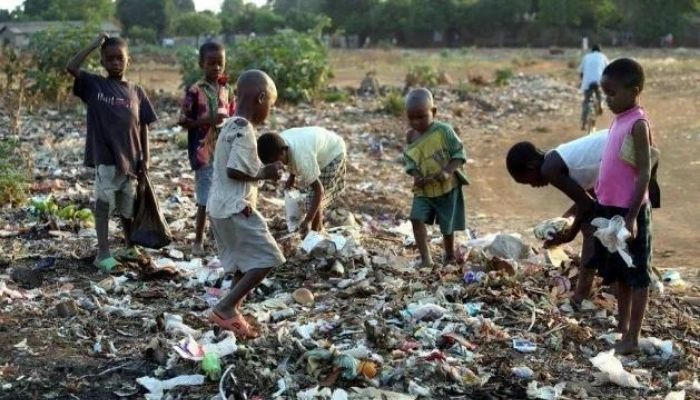
The Rising Tide of Poverty in Nigeria
The Nigeria Development Update report from the World Bank paints a grim picture of the state of poverty in Nigeria. According to the report, over 129 million Nigerians, or 56% of the population, now live below the national poverty line, a sharp increase from 40.1% in 2018. This means that in just five years, nearly 35 million more Nigerians have fallen into poverty. The question on everyone’s mind is simple: Is the government listening?
“Poverty in Nigeria is rising at an alarming rate,” the report stated. “Combined with population growth and stagnating economic policies, the nation is facing an economic crisis.”
Join our WhatsApp ChannelThe World Bank attributes this surge in poverty to factors such as inflation, external shocks, and economic mismanagement. As inflation continues to erode the purchasing power of ordinary Nigerians, one can’t help but wonder if those in power truly understand the gravity of the situation.
Inflation: The Silent Thief
One of the key reasons for Nigeria’s worsening poverty crisis is rampant inflation. Prices of essential goods are rising rapidly, making it harder for families to afford basic necessities. The World Bank report reveals that growth in Nigeria’s GDP has been too slow to outpace inflation, which has further diminished the standard of living for millions.
“The COVID-19 pandemic worsened the situation, but it is inflation that has hit the hardest,” said Alex Sienaert, the World Bank’s lead economist for Nigeria. He noted that inflation rates are eroding incomes at a speed that economic reforms are failing to keep up with.
For a typical Nigerian household, the cost of food, transportation, and energy has skyrocketed, leaving many to question how much longer they can endure. Bala Mohammed, Governor of Bauchi State, voiced the frustration of the masses: “The purchasing power has dwindled. These policies are not working, and you know that.”
Urban and Rural Poverty: No One is Spared
While poverty in Nigeria has historically been a rural problem, recent trends indicate that urban areas are now suffering more than ever before. The World Bank’s data show that urban poverty has grown significantly, with 31.3% of city dwellers now living below the poverty line, compared to just 18% in 2018.
READ ALSO: Inflation Pushes 129 Million Nigerians Into Poverty, Says World Bank
As inflation spirals out of control and wages stagnate, it is not only the rural poor who are struggling; middle-class Nigerians in cities are feeling the squeeze as well. “Nigerians are not enjoying the regime at this time,” Governor Mohammed pointed out, adding that both state and local governments are also facing unprecedented financial challenges.
State governments, which rely on revenue allocations from the Federal Government, are struggling to make ends meet. Inflation has reduced the value of these allocations, leaving many states unable to meet even the most basic needs. “We are all living with these people, and I can tell you we are at risk of being lynched because of your policies,” Mohammed warned during the launch of the World Bank report in Abuja.
Government’s Response: Are the Reforms Enough?
While the Nigerian government has introduced reforms aimed at stabilising the economy, critics argue that these efforts are falling short. The removal of fuel subsidies, for example, was intended to reduce government spending, but it has also led to higher fuel prices, compounding the financial difficulties faced by ordinary Nigerians.
The government’s cash transfer programme, which aims to support economically insecure households, has provided some relief, but it is not enough to offset the broader economic challenges. As the World Bank report noted, “Multiple shocks in a context of high economic insecurity have deepened and broadened poverty.”
Even with President Bola Tinubu’s administration promising economic reforms, many wonder if these efforts are too little, too late. “We need to come up with a budget program with economic policies that will reduce hardship,” said Governor Mohammed. “The money we are sharing is not enough.”
Jobs Alone Won’t Solve Nigeria’s Poverty Crisis
Nigeria’s unemployment crisis is well-documented, but the World Bank warns that simply creating more jobs will not be enough to lift people out of poverty. As Sienaert explained, “Many jobs are not productive or remunerative enough to afford a life beyond poverty.”
This highlights a crucial point: poverty in Nigeria is not just about a lack of jobs; it is about the quality of those jobs. Even employed Nigerians are struggling to make ends meet because their wages are too low to cover basic living costs. The government’s recent minimum wage increase, which affects only 4.1% of the population, has done little to address this deeper issue.
Is the Government Truly Listening?
With 129 million Nigerians trapped in poverty, the time for action is now. The government must do more than issue promises and implement piecemeal reforms. It must confront the root causes of poverty—rampant inflation, inadequate wages, and economic mismanagement—head-on.
Nigerians are losing patience. “We are all suffering,” said one Lagos resident. “Prices are going up every day, but our wages stay the same. Does the government even care?”
Governor Mohammed’s warning should not be taken lightly. If the government fails to act decisively, it risks a complete loss of trust from the people. As Sienaert from the World Bank noted, “Nigeria has a young and growing population. The jobs that can harness the country’s potential demographic dividend are needed now.”
The question remains: Is the government listening? Nigerians are waiting for an answer.
A Call for Urgent Action
Nigeria’s poverty crisis is not just a statistic; it is a human tragedy. Over 129 million Nigerians are living in poverty, and this number is rising every day. Inflation, economic mismanagement, and inadequate government policies are to blame. While reforms have been introduced, they are not enough to solve the deeper, structural problems plaguing the country.
Nigerians deserve better. The government must take immediate and decisive action to address the crisis before it spirals out of control. The time for half-measures is over. The people of Nigeria are waiting—but for how long?